Close Menu
Illustrated Curiosity
    Facebook X (Twitter) Instagram YouTube
    Illustrated Curiosity
    • Earth
    • Economics
    • Environment
      • Climate
      • Environmental Tech
      • Pollution
      • Wildlife
    • Health
      • Health Tech
      • Medicine
      • Nutrition
      • Exercise
    • History
      • Prehistory
      • Ancient History
      • Postclassical Era
      • Modern History
    • Humans
      • Human Brain
      • Psychology
    • Life
      • Animals & Plants
      • Genetics
      • Paleontology
      • Evolution
      • Genetic Engineering
    • Physics
    • Space
      • Astrobiology
      • Astronomy
      • Extrasolar Planets
      • Space Tech
      • Spaceflight
    • Technology
      • Artificial Intelligence
      • Energy
      • Engineering
      • Materials
      • Robotics
      • Vehicles
    Illustrated Curiosity
    Home » Two new studies link pesticides to decline of honeybees
    Pollution

    Two new studies link pesticides to decline of honeybees

    July 2, 2017No Comments4 Mins Read
    Share
    Facebook Twitter LinkedIn Pinterest Email

    Fewer bees survive the winter in rape fields where seeds are treated with pesticides containing so-called neonicotinoids.
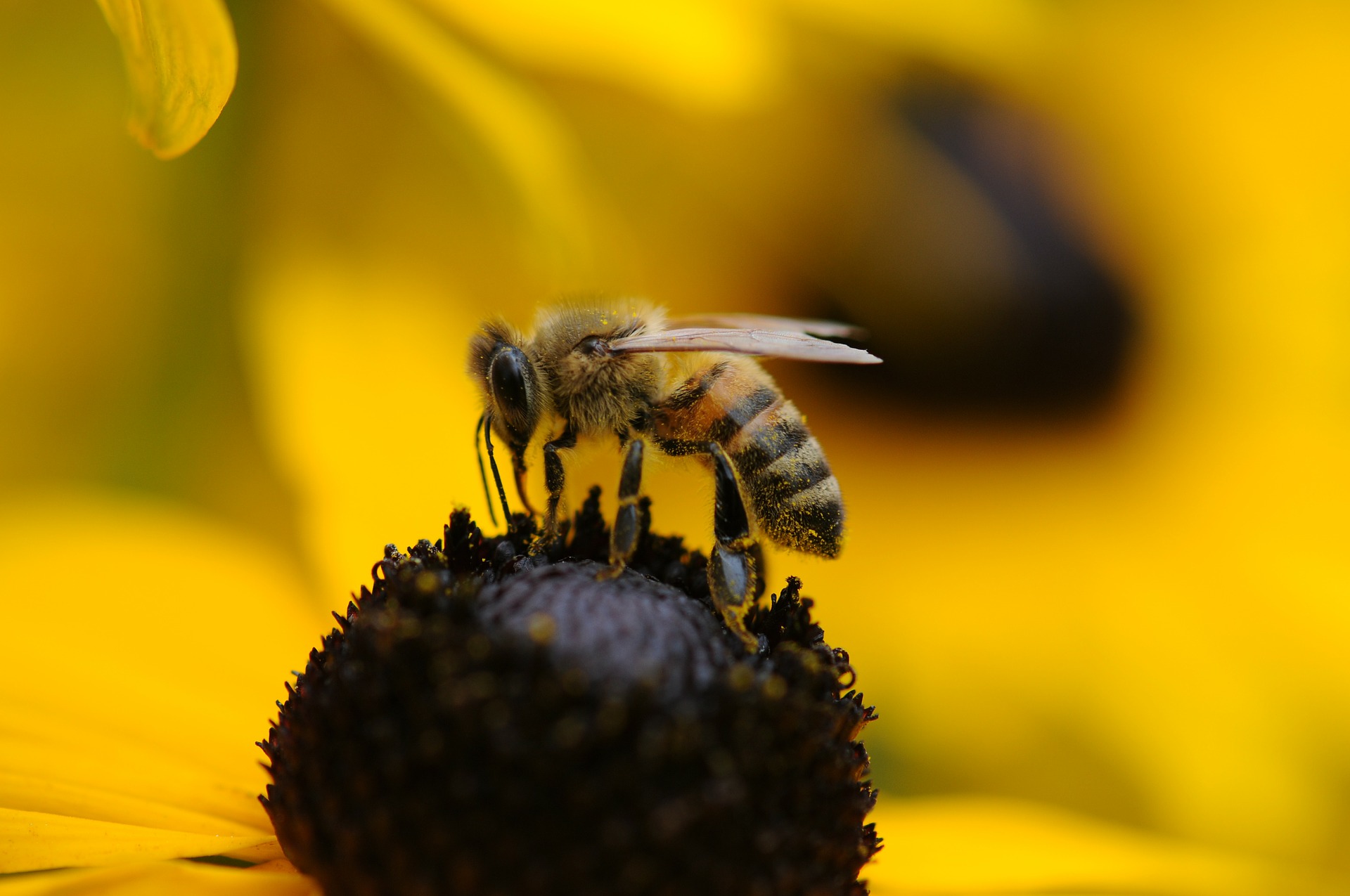
    CC0 Public Domain

    Bees are dying off at an alarming rate, beekeepers in the U.S. report losses of up to 50% between seasons. Those losses continue a trend of die-offs among commercial bee colonies around the world, which beekeepers say could drastically affect our food supply.

    Nearly 90 percent of all wild flowering plants are to some extent dependent on insects and other animals to help with pollination. The proportion of world production of fruits, vegetables, seeds, nuts and other plants that are dependent on different pollinators has increased threefold during the last 50 years.

    The pollinating insects are predominantly 20,000 species of bees but also a variety of species of butterflies, moths, and wasps, for example. Birds, bats and other animals also contribute.

    Last year, the UN agency IPBES published a two-year study, IPBES is the equivalent the UN climate panel but instead addressing biodiversity, the study showed that the pollinating species have declined on a large scale, especially in the United States and northwestern Europe.

    Comprehensive rape field study

    Scientists are scrambling to find out why and a recent study published this week in the journal Science provides insight and points to pesticides as a potential problem. With real world experiments from Hungary that clearly show the effects of using pesticides, as the number of bees had fallen by 24 percent between season for those particular fields sprayed with pesticide compared to fields with no pesticides.

    It is the first major study of the medium long-term effects on bees in Britain, Germany, and Hungary. The study lends support to previous studies that show how neonaticides can affect wild bees and bumblebees.
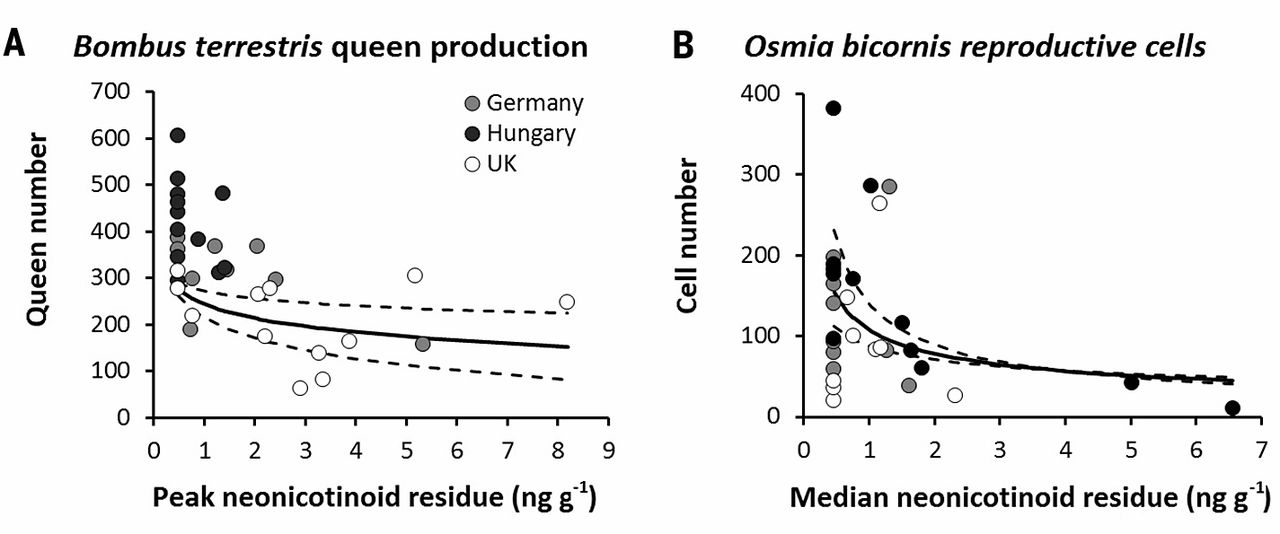
    Science 30 Jun 2017: Vol. 356, Issue 6345, pp. 1393-1395 DOI: 10.1126/science.aaa1190
    A graph that show queen reproductive cell production to neonicotinoid residues found in nests. Neonicotinoid residues are based on summed concentrations of clothianidin, thiamethoxam, and imidacloprid.

    The researchers found great differences in health and survival among bees in treated and untreated rapeseed fields in Britain and Hungary, but not in Germany. The German bees were less affected by diseases such as parasitic fungi, and the pollen they collected tended to be derived from other plants than from rapeseed.

    The bees in Britain and Hungary were more dependent on rapeseed as food, and also more prone to disease. The researchers hypothesize that this combination of factors increases the sensitivity of neonicotinoids to the bees.

    Earlier studies of the effects of neonicotinoids on pollinating insects have been criticized for not reflecting realistic conditions. Everything in this new study, from method to interpreting the study results has therefore been carefully reviewed and approved by an independent committee.

    Canadian cornfield study

    Another study published in the same issue of Science addresses the very same issue but with bees from cornfields in Canada, all of which treated with neonicotinoids. The researchers behind this study found that the pesticide shortened the life of worker bees and also changed their behavior. They became worse at clearing out the dead and sick bees from the beehive and were slower than normal collecting pollen.

    Realistic experiments showed that neonicotinoids increased worker mortality and were associated with declines in social immunity and increased queenlessness over time. We also discovered that the acute toxicity of neonicotinoids to honey bees doubles in the presence of a commonly encountered fungicide. Our work demonstrates that field-realistic exposure to neonicotinoids can reduce honey bee health in corn-growing regions.

    The researchers hypothesize that the bee metabolism was affected, making them slower. Or, perhaps their brain was affected making them worse at remembering where the food was found, or less able to communicate how to locate it. Earlier studies that have shown that neonaticides can affect both learning and memory.

    References:
    B. A. Woodcock1, J. M. Bullock1, R. F. Shore Country-specific effects of neonicotinoid pesticides on honey bees and wild bees Science 30 Jun 2017: Vol. 356, Issue 6345, pp. 1393-1395 DOI: 10.1126/science.aaa1190

    N. Tsvetkov1, O. Samson-Robert2, K. Sood et al. Chronic exposure to neonicotinoids reduces honey bee health near corn crops Vol. 356, Issue 6345, pp. 1395-1397 DOI: 10.1126/science.aam7470

    Bees Pesticide
    Share. Facebook Twitter Pinterest LinkedIn Tumblr Email Copy Link

    Related Posts

    Biodegradable Bags Can Hold a Full Load of Shopping after 3 Years in the Environment

    June 29, 2020

    Loss of Oxygen in Ocean a Major Threat to Marine Life

    January 7, 2020

    Microbe Chews through PFAS and other Tough Contaminants

    December 30, 2019

    A Highly Radioactive Wild Boar Shoot in Sweden – 33 Years since Chernobyl

    July 4, 2019

    Feeding Cows Seaweed Cut Cut Methane Emissions, Research Finds

    July 4, 2018

    China Is Suspected to Be behind Some of the Increased Chlorofluorocarbons Emissions

    June 25, 2018
    Recent Posts
    • How the End of Bretton Woods Reshaped Our Economies — and Our Politics
    • Can the U.S. Really Handle 250% Debt-to-GDP? Why Jackson Hole’s Daring Paper Is Wrong
    • Japan’s Fiscal Trap: What Happens If Austerity Is No Longer an Option?
    • The Rise of Range Extended Electric Vehicles (REEVs): A New Era of Hybrid Mobility
    • The Great Capital Rotation: A Shift from U.S. Treasuries to Gold and Real Assets
    • The Hidden Risks of Short-Term Debt: A Balancing Act in U.S. Fiscal Policy
    • The Looming U.S. Debt Spiral: Understanding the Risks
    • The Looming Recession: Seven Economic Indicators Flashing Red for 2025
    • Europa Clipper: NASA’s Mission to Unlock the Secrets of Jupiter’s Icy Moon
    • Could Hedge Funds Cause Chaos in the U.S. Treasury Market? And What About Inflation?
    © 2025 Illustrated Curiosity

    Type above and press Enter to search. Press Esc to cancel.

    This website uses cookies to improve your experience. We'll assume you're ok with this, but you can opt-out if you wish.Accept Reject Read More
    Privacy & Cookies Policy

    Privacy Overview

    This website uses cookies to improve your experience while you navigate through the website. Out of these, the cookies that are categorized as necessary are stored on your browser as they are essential for the working of basic functionalities of the website. We also use third-party cookies that help us analyze and understand how you use this website. These cookies will be stored in your browser only with your consent. You also have the option to opt-out of these cookies. But opting out of some of these cookies may affect your browsing experience.
    Necessary
    Always Enabled
    Necessary cookies are absolutely essential for the website to function properly. This category only includes cookies that ensures basic functionalities and security features of the website. These cookies do not store any personal information.
    Non-necessary
    Any cookies that may not be particularly necessary for the website to function and is used specifically to collect user personal data via analytics, ads, other embedded contents are termed as non-necessary cookies. It is mandatory to procure user consent prior to running these cookies on your website.
    SAVE & ACCEPT