Close Menu
Illustrated Curiosity
    Facebook X (Twitter) Instagram YouTube
    Illustrated Curiosity
    • Earth
    • Economics
    • Environment
      • Climate
      • Environmental Tech
      • Pollution
      • Wildlife
    • Health
      • Health Tech
      • Medicine
      • Nutrition
      • Exercise
    • History
      • Prehistory
      • Ancient History
      • Postclassical Era
      • Modern History
    • Humans
      • Human Brain
      • Psychology
    • Life
      • Animals & Plants
      • Genetics
      • Paleontology
      • Evolution
      • Genetic Engineering
    • Physics
    • Space
      • Astrobiology
      • Astronomy
      • Extrasolar Planets
      • Space Tech
      • Spaceflight
    • Technology
      • Artificial Intelligence
      • Energy
      • Engineering
      • Materials
      • Robotics
      • Vehicles
    Illustrated Curiosity
    Home » Peanut Allergy is Traced to the Gut
    Nutrition

    Peanut Allergy is Traced to the Gut

    April 21, 2020No Comments2 Mins Read
    Share
    Facebook Twitter LinkedIn Pinterest Email
    Pixabay License
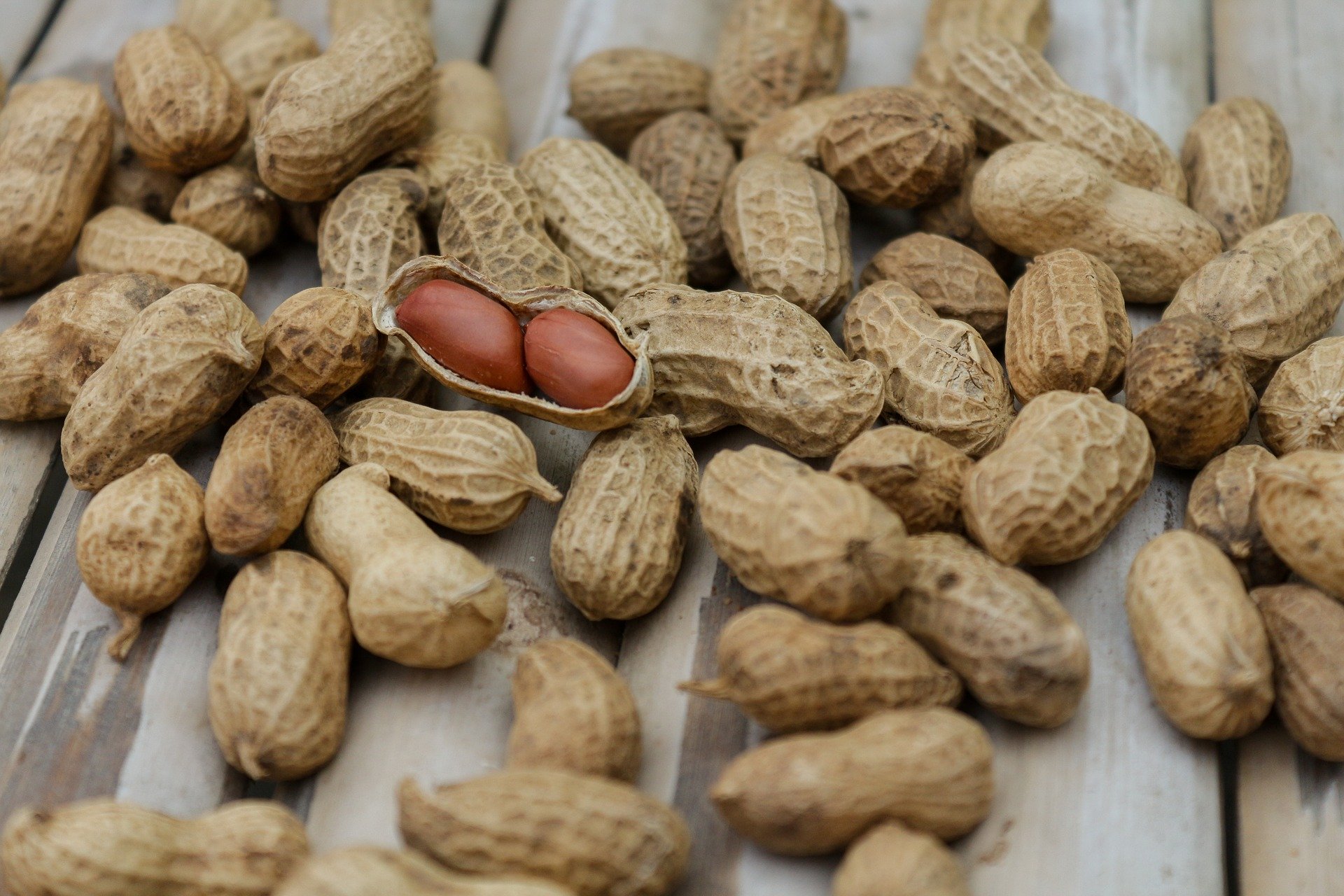
    As a legume, the peanut belongs to the botanical family Fabaceae; this is also known as Leguminosae, and commonly known as the bean, or pea, family. World annual production of shelled peanuts was 44 million tonnes in 2016, led by China with 38% of the world total. Atypically among legume crop plants, peanut pods develop underground (geocarpy) rather than above ground. With this characteristic in mind, the botanist Carl Linnaeus named the species hypogaea, which means “under the earth”.

    For many of us, the peanut is a harmless legume to eat without complications. But for others, it can lead to life-threatening allergic reactions. But much is unknown about the nature of these reactions and a lingering question is where in the body the antibodies are produced that result in an allergic reaction?

    Now American researchers have been trying to answer this very question. The research team used an endoscope to take tissue samples from the esophagus, stomach and small intestine of 19 peanut-allergic people taking part in an oral immunotherapy trial. Then they closely examined those cells and compared them with ones found in the blood.

    They found an extra-large accumulation of a special protein, an antibody called Immunoglobulin E (IgE), in the gastrointestinal tract. And it is an antibody that is linked to allergic reactions.

    Using genetic analysis, the researchers were also able to confirm that the cells were being made in the stomach and the duodenum of the small intestine. This showed they were not being generated elsewhere in the body, and then traveling to the gut.

    According to the researchers, much indicates that immunoglobulin E, in these individuals, is formed by the fact that some cells in the stomach shift from producing harmless antibodies to IgE antibodies instead.

    Previous studies on mice hinted that certain immune molecules are made in the gut, but there has been scant evidence of that in people.

    “This is the first time that we actually see what is happening in the gut” in people with peanut allergies.

    – Cecilia Berin, an immunologist who studies food allergies at the Icahn School of Medicine at Mount Sinai in New York City

    Reference:

    Hoh et al. “Origins and clonal convergence of gastrointestinal IgE+ B cells in human peanut allergy”. Science Immunology, 2020. Doi: Immunology.sciencemag.org/lookup/doi/10.1126/sciimmunol.aay4209


    Allergies Intestines Peanut The Gut
    Share. Facebook Twitter Pinterest LinkedIn Tumblr Email Copy Link

    Related Posts

    A Nutritious Drink Tested Against Alzheimer’s

    November 23, 2020

    Japanese Diet from 1975 Reduces Obesity

    March 16, 2020

    New Study Reveals Global Intake of Major Beverages

    June 17, 2019

    Ultra-Processed Foods Cause Weight Gain, over Eating, According to a New Study

    May 27, 2019

    Researchers Pinpoint Why Stress Causes Weight Gain

    April 29, 2019

    Even Moderate Alcohol Consumption Increases Stroke Risk, New Study Shows

    April 9, 2019
    Recent Posts
    • How the End of Bretton Woods Reshaped Our Economies — and Our Politics
    • Can the U.S. Really Handle 250% Debt-to-GDP? Why Jackson Hole’s Daring Paper Is Wrong
    • Japan’s Fiscal Trap: What Happens If Austerity Is No Longer an Option?
    • The Rise of Range Extended Electric Vehicles (REEVs): A New Era of Hybrid Mobility
    • The Great Capital Rotation: A Shift from U.S. Treasuries to Gold and Real Assets
    • The Hidden Risks of Short-Term Debt: A Balancing Act in U.S. Fiscal Policy
    • The Looming U.S. Debt Spiral: Understanding the Risks
    • The Looming Recession: Seven Economic Indicators Flashing Red for 2025
    • Europa Clipper: NASA’s Mission to Unlock the Secrets of Jupiter’s Icy Moon
    • Could Hedge Funds Cause Chaos in the U.S. Treasury Market? And What About Inflation?
    © 2025 Illustrated Curiosity

    Type above and press Enter to search. Press Esc to cancel.

    This website uses cookies to improve your experience. We'll assume you're ok with this, but you can opt-out if you wish.Accept Reject Read More
    Privacy & Cookies Policy

    Privacy Overview

    This website uses cookies to improve your experience while you navigate through the website. Out of these, the cookies that are categorized as necessary are stored on your browser as they are essential for the working of basic functionalities of the website. We also use third-party cookies that help us analyze and understand how you use this website. These cookies will be stored in your browser only with your consent. You also have the option to opt-out of these cookies. But opting out of some of these cookies may affect your browsing experience.
    Necessary
    Always Enabled
    Necessary cookies are absolutely essential for the website to function properly. This category only includes cookies that ensures basic functionalities and security features of the website. These cookies do not store any personal information.
    Non-necessary
    Any cookies that may not be particularly necessary for the website to function and is used specifically to collect user personal data via analytics, ads, other embedded contents are termed as non-necessary cookies. It is mandatory to procure user consent prior to running these cookies on your website.
    SAVE & ACCEPT