Close Menu
Illustrated Curiosity
    Facebook X (Twitter) Instagram YouTube
    Illustrated Curiosity
    • Earth
    • Economics
    • Environment
      • Climate
      • Environmental Tech
      • Pollution
      • Wildlife
    • Health
      • Health Tech
      • Medicine
      • Nutrition
      • Exercise
    • History
      • Prehistory
      • Ancient History
      • Postclassical Era
      • Modern History
    • Humans
      • Human Brain
      • Psychology
    • Life
      • Animals & Plants
      • Genetics
      • Paleontology
      • Evolution
      • Genetic Engineering
    • Physics
    • Space
      • Astrobiology
      • Astronomy
      • Extrasolar Planets
      • Space Tech
      • Spaceflight
    • Technology
      • Artificial Intelligence
      • Energy
      • Engineering
      • Materials
      • Robotics
      • Vehicles
    Illustrated Curiosity
    Home » New Study Reveals Global Intake of Major Beverages
    Nutrition

    New Study Reveals Global Intake of Major Beverages

    June 17, 2019No Comments3 Mins Read
    Share
    Facebook Twitter LinkedIn Pinterest Email
    Image: Pixabay
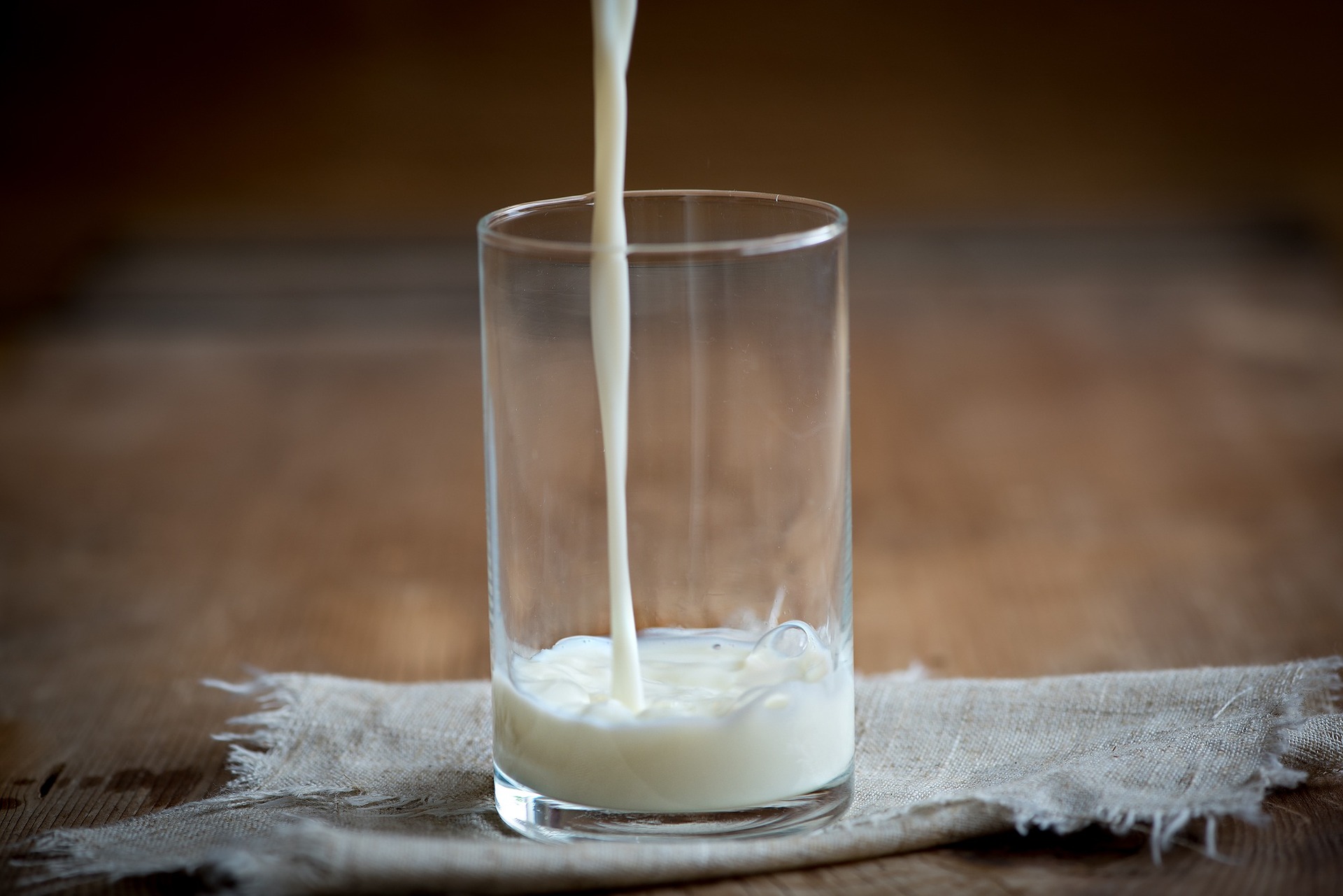
    The Swedes consume more milk than anyone else in the world, according to a new study.

    Researchers, have mapped the type and quantities of drinks consumed around the world in one of the most comprehensive global studies ever conducted.

    The beverages we drink represent a substantial source of our daily calories and nutrients, yet standardized methods for tracking beverage consumption have been limited.

    This new and comprehensive assessment of worldwide beverage consumption reveals substantial differences in the beverages consumed by different demographic groups in 185 countries.

    The data, derived from the Global Dietary Database project, is one of the most comprehensive standardized methods for tracking beverage consumption to date and is based on data from 2015 derived from more than 1,100 surveys representing 6.78 billion people worldwide, as well as data on beverage availability.

    “These preliminary data derived from the Global Dietary Database project can help inform nutrition transitions over time, the impacts of these beverages on global health, and targeted dietary policy to improve diet and health,”

    – Lead study author Laura Lara-Castor, a doctoral student in the Friedman School of Nutrition Science and Policy at Tufts University.

    The researchers found that globally, beverage consumption was generally highest among younger people, those who have attained a higher education level and those living in urban areas.

    Milk intake was highest in the high-income region, especially in those Scandinavian countries where dairy is a traditional part of the diet. In Sweden, for example, the average adult drank 2,9 deciliter (about 10 ounces per day or 1.3 cups) of milk. The countries with the lowest milk intake were China, Togo, and Sudan.

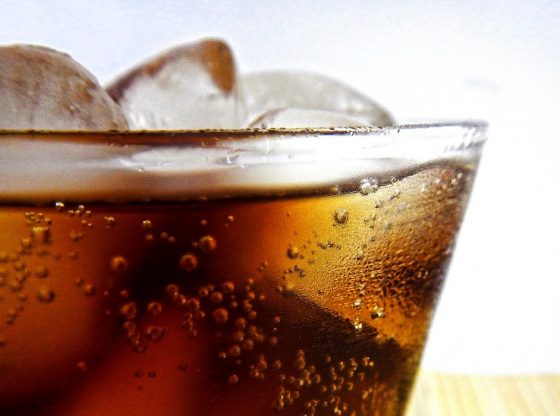
    Sugar-sweetened beverage and fruit juice intake were found to be highest in the Latin American region where commercial and homemade sugar-sweetened beverages and fruit drinks are widely consumed.

    Consumption of sugar-sweetened beverages was highest in Mexico, where the average adult drank more than 5,6 deciliter (19 ounces per day or roughly 2.5 cups) per day, followed by Suriname and Jamaica, where adults drank nearly 4,4 deciliter (15 ounces) per day. The lowest intake was in China, Indonesia and Burkina Faso.

    Milk intake was highest both below the age of 12 and above the age of 72, as well as among people with higher educational status and those living in urban areas.

    “These data highlight gaps in dietary surveillance, further helping inform nutrition transitions over time, the impacts of these beverages on global health, and targeted dietary policy to improve diet and health.”

    – Laura Lara-Castor

    The researchers note that the study itself contains some limitations: for example, intake data was limited for certain beverages, countries and time periods. But it does give us a fairly good idea of what the world is drinking and this may help develop nutritional policies that could be beneficial to public health.

    The research will be presented in full later today at Nutrition 2019, an annual meeting of the American Society for Nutrition in Baltimore.

    Share. Facebook Twitter Pinterest LinkedIn Tumblr Email Copy Link

    Related Posts

    A Nutritious Drink Tested Against Alzheimer’s

    November 23, 2020

    Peanut Allergy is Traced to the Gut

    April 21, 2020

    Japanese Diet from 1975 Reduces Obesity

    March 16, 2020

    Ultra-Processed Foods Cause Weight Gain, over Eating, According to a New Study

    May 27, 2019

    Researchers Pinpoint Why Stress Causes Weight Gain

    April 29, 2019

    Even Moderate Alcohol Consumption Increases Stroke Risk, New Study Shows

    April 9, 2019
    Recent Posts
    • How the End of Bretton Woods Reshaped Our Economies — and Our Politics
    • Can the U.S. Really Handle 250% Debt-to-GDP? Why Jackson Hole’s Daring Paper Is Wrong
    • Japan’s Fiscal Trap: What Happens If Austerity Is No Longer an Option?
    • The Rise of Range Extended Electric Vehicles (REEVs): A New Era of Hybrid Mobility
    • The Great Capital Rotation: A Shift from U.S. Treasuries to Gold and Real Assets
    • The Hidden Risks of Short-Term Debt: A Balancing Act in U.S. Fiscal Policy
    • The Looming U.S. Debt Spiral: Understanding the Risks
    • The Looming Recession: Seven Economic Indicators Flashing Red for 2025
    • Europa Clipper: NASA’s Mission to Unlock the Secrets of Jupiter’s Icy Moon
    • Could Hedge Funds Cause Chaos in the U.S. Treasury Market? And What About Inflation?
    © 2025 Illustrated Curiosity

    Type above and press Enter to search. Press Esc to cancel.

    This website uses cookies to improve your experience. We'll assume you're ok with this, but you can opt-out if you wish.Accept Reject Read More
    Privacy & Cookies Policy

    Privacy Overview

    This website uses cookies to improve your experience while you navigate through the website. Out of these, the cookies that are categorized as necessary are stored on your browser as they are essential for the working of basic functionalities of the website. We also use third-party cookies that help us analyze and understand how you use this website. These cookies will be stored in your browser only with your consent. You also have the option to opt-out of these cookies. But opting out of some of these cookies may affect your browsing experience.
    Necessary
    Always Enabled
    Necessary cookies are absolutely essential for the website to function properly. This category only includes cookies that ensures basic functionalities and security features of the website. These cookies do not store any personal information.
    Non-necessary
    Any cookies that may not be particularly necessary for the website to function and is used specifically to collect user personal data via analytics, ads, other embedded contents are termed as non-necessary cookies. It is mandatory to procure user consent prior to running these cookies on your website.
    SAVE & ACCEPT