
Introduction:
The study of ancient DNA has opened windows into the past, revealing intricate details about the migrations, interactions, and adaptations of ancient populations. In a groundbreaking paper published in Nature, researchers have analyzed the genomes of 100 individuals from Neolithic Denmark, shedding light on the dynamic population history of the region. Let’s delve into the findings of this fascinating study and explore what they reveal about the ancient inhabitants of Denmark.
Unveiling Ancient Denmark’s Population Dynamics:
The research published in Nature titled “100 ancient genomes show repeated population turnovers in Neolithic Denmark,” presents a comprehensive analysis of ancient DNA samples spanning several millennia of human history in Denmark. Led by a team of scientists from institutions including the University of Copenhagen and the University of Cambridge, the study provides insights into the genetic makeup, migrations, and cultural transitions of Neolithic populations in the region.
By studying the genetic diversity of ancient individuals, researchers have identified distinct population clusters corresponding to different cultural periods, such as the Funnel Beaker Culture and the Single Grave Culture. These discontinuities suggest that incoming groups, likely migrants from other regions, replaced or intermixed with the existing local populations, leading to changes in the genetic composition of the region over time.
A Violent Conquest?
The last big migration consisted of ancient herders who rode horses and drove ox-drawn carts, went out of their grassy homelands in southwest Asia, and subsequently erased a DNA divide between far-flung farmers and hunter-gatherers-fishers around 5,000 years ago. The molecular legacy of these ancient herders, known as the Yamnaya people, reshaped Eurasians’ genetic profile, impacting everything from their descendants’ height to their susceptibility to some diseases. For instance, it left people today with predominantly northern European ancestry especially prone to developing multiple sclerosis.
One possible scenario is that incoming populations, equipped with new technologies, agricultural practices, or social organization, had competitive advantages over the existing inhabitants. This could have resulted in conflicts, displacement, or assimilation of the local populations by the newcomers. Genetic evidence suggests the immigrating peoples who arrived in northern Europe quite rapidly removed the indigenous peoples, very little remains in modern northern Europeans of pre-migration patterns, i.e. a replacement.
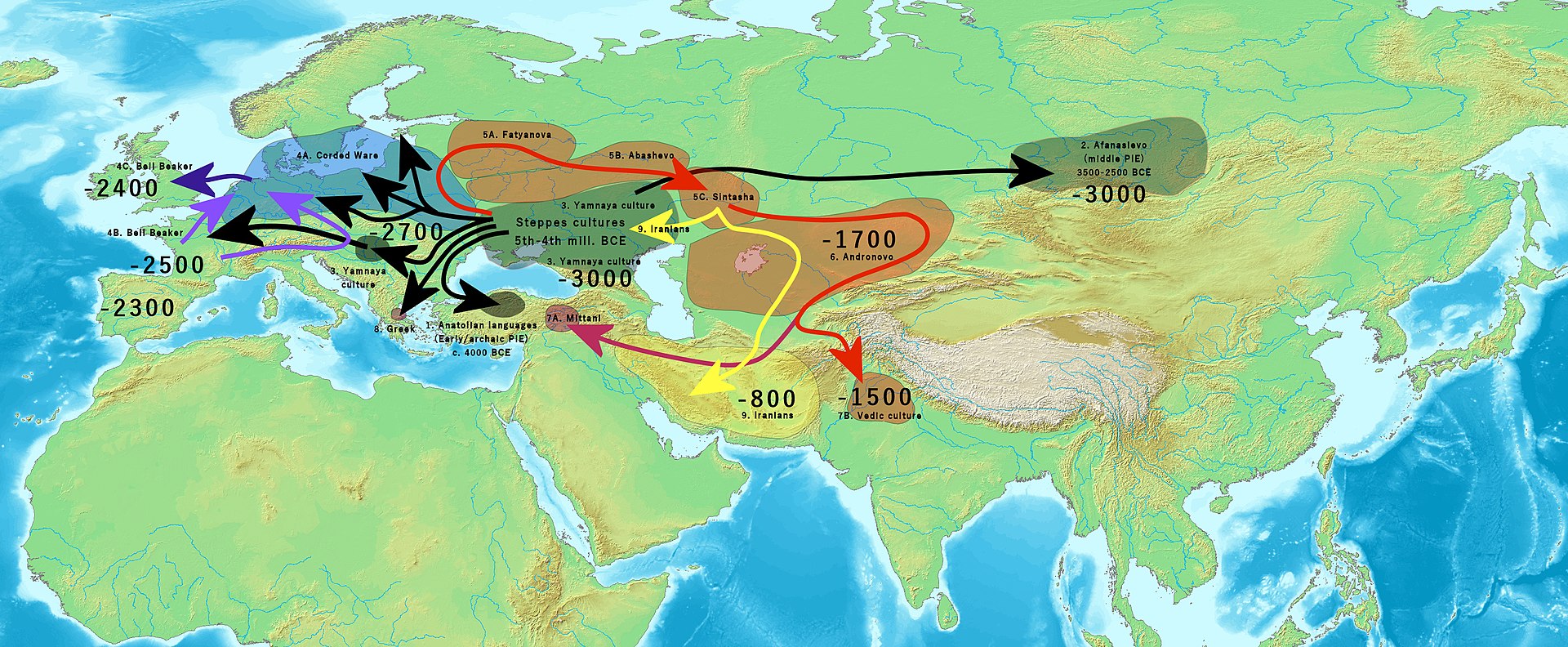
The concept of population turnover in prehistory is not unique to Neolithic Denmark but is observed in various regions and periods around the world. It underscores the dynamic nature of human societies, characterized by migration, conquest, and cultural exchange. While the exact mechanisms driving population turnovers may vary, the consequences are profound, shaping the genetic, cultural, and social landscapes of the affected regions for generations to come.
Understanding population turnovers in Neolithic Denmark and elsewhere contributes to our broader understanding of human history, highlighting the complex interplay between migration, adaptation, and societal change. It reminds us that the past is not static but a dynamic tapestry of human experiences, shaped by interactions between different groups and their environments.
Multiple Sclerosis
The ancient advance of herders into Europe produced a serious genetic downside. Yamnaya people endowed northern Europeans today with a heightened genetic risk for multiple sclerosis, or MS, a disease in which the body’s immune cells attack the brain and spinal cord, according to University of Cambridge computational biologist William Barrie and colleagues.
MS affects more than 2.5 million people worldwide. Precisely how genes, environmental factors, and viruses produce MS is unknown. MS rates reach as high as 303 per 100,000 individuals among northwestern Europeans, including Scandinavians, about twice the rates documented for most southern Europeans.
Appearance
In a separate analysis, University of Copenhagen geneticist Evan Irving-Pease and colleagues uncovered an association between Yamnaya ancestry and taller adult heights and lighter skin tones in ancient and modern northern Europeans relative to their southern counterparts.
In another surprise, tall, light-skinned Yamnaya people or their direct descendants served as the ancestors of modern Danes after reaching what’s now Denmark around 4,850 years ago, Evan and colleagues report in a separate paper. Yamnaya descendants replaced farmers who had settled in the region after displacing native hunter-gatherer groups about 1,000 years earlier. Danish archaeologists often incorrectly assume that present-day Danes have descended from hunter-gatherers who occupied what’s now Denmark 14,000 to 15,000 years ago as the last Ice Age waned.
Another study (Heyd Volker et al.) in 2015 found that Yamnaya had the highest ever calculated genetic selection for height of any of the ancient populations tested. Also, some Yamnaya individuals are believed to have carried a mutation to the KITLG gene associated with blond hair, as several individuals with Steppe ancestry are later found to carry this mutation.
Implications and Future Research:
The findings of this study have far-reaching implications for our understanding of Neolithic populations in Denmark and beyond. They provide valuable insights into patterns of migration, settlement, and cultural exchange during a pivotal period in human history. Furthermore, they underscore the importance of interdisciplinary research combining archaeology, genetics, and other fields to reconstruct the past accurately.
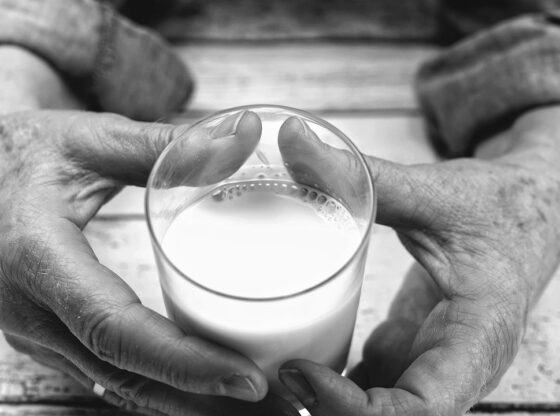
It has been hypothesized that an allele associated with lactase persistence (conferring lactose tolerance into adulthood) was brought to Europe from the steppe by Yamnaya-related migrations.[60][61][62][63]
Cultural Transitions:
The analysis of ancient genomes offers clues about the spread of agricultural practices, pottery styles, and burial customs across Neolithic Europe. Understanding these cultural transitions can illuminate the processes driving social change and adaptation in prehistoric societies.
Environmental Influences:
Future research may explore the relationship between genetic diversity and environmental factors such as climate change, resource availability, and landscape transformation. By integrating genetic data with archaeological and environmental evidence, researchers can paint a more holistic picture of human-environment interactions in the Neolithic period. Archaeological evidence, such as changes in settlement patterns, material culture, and burial practices, may provide further insights into the nature of these interactions.
Technological Advances:
Advances in ancient DNA sequencing technologies continue to revolutionize our ability to extract and analyze genetic information from archaeological remains. As these methods become more refined and accessible, researchers can expect to uncover even more insights into the ancient past.
Conclusion:
The study published in Nature represents a significant step forward in our understanding of Neolithic Denmark’s population dynamics. By analyzing the genomes of 100 ancient individuals, researchers have revealed the complexities of migration, admixture, and cultural exchange that shaped the genetic landscape of the region. As technology and interdisciplinary collaboration continue to advance, we can look forward to unraveling more secrets of our ancient ancestors and the world they inhabited.
Reference:
Morten E. Allentoft et al. (January 2024) 100 ancient genomes show repeated population turnovers in Neolithic Denmark https://www.nature.com/articles/s41586-023-06862-3
Heyd, Volker (April 2017). “Kossinna’s smile”. Antiquity. 91 (356): 348–359. doi:10.15184/aqy.2017.21. hdl:10138/255652. ISSN 0003-598X. S2CID 164376362