Close Menu
Illustrated Curiosity | Economics, History, Science, Space, Technology, Health, Physics, Earth
    Facebook X (Twitter) Instagram YouTube
    Illustrated Curiosity | Economics, History, Science, Space, Technology, Health, Physics, Earth
    • Earth
    • Economics
    • Environment
      • Environmental Tech
      • Pollution
      • Wildlife
    • Health
      • Health Tech
      • Medicine
      • Nutrition
      • Exercise
    • History
      • Prehistory
      • Ancient History
      • Postclassical Era
      • Modern History
    • Humans
      • Human Brain
      • Psychology
    • Life
      • Animals & Plants
      • Genetics
      • Paleontology
      • Evolution
      • Genetic Engineering
    • Physics
    • Space
      • Astrobiology
      • Astronomy
      • Extrasolar Planets
      • Space Tech
      • Spaceflight
    • Technology
      • Artificial Intelligence
      • Energy
      • Engineering
      • Materials
      • Robotics
      • Vehicles
    Illustrated Curiosity | Economics, History, Science, Space, Technology, Health, Physics, Earth
    Home » Fishing in the Sahara? Yes – 10 000 Years Ago
    Paleontology

    Fishing in the Sahara? Yes – 10 000 Years Ago

    March 2, 20202 Mins Read
    Image: Pixabay
    Share
    Facebook Twitter LinkedIn Pinterest Email

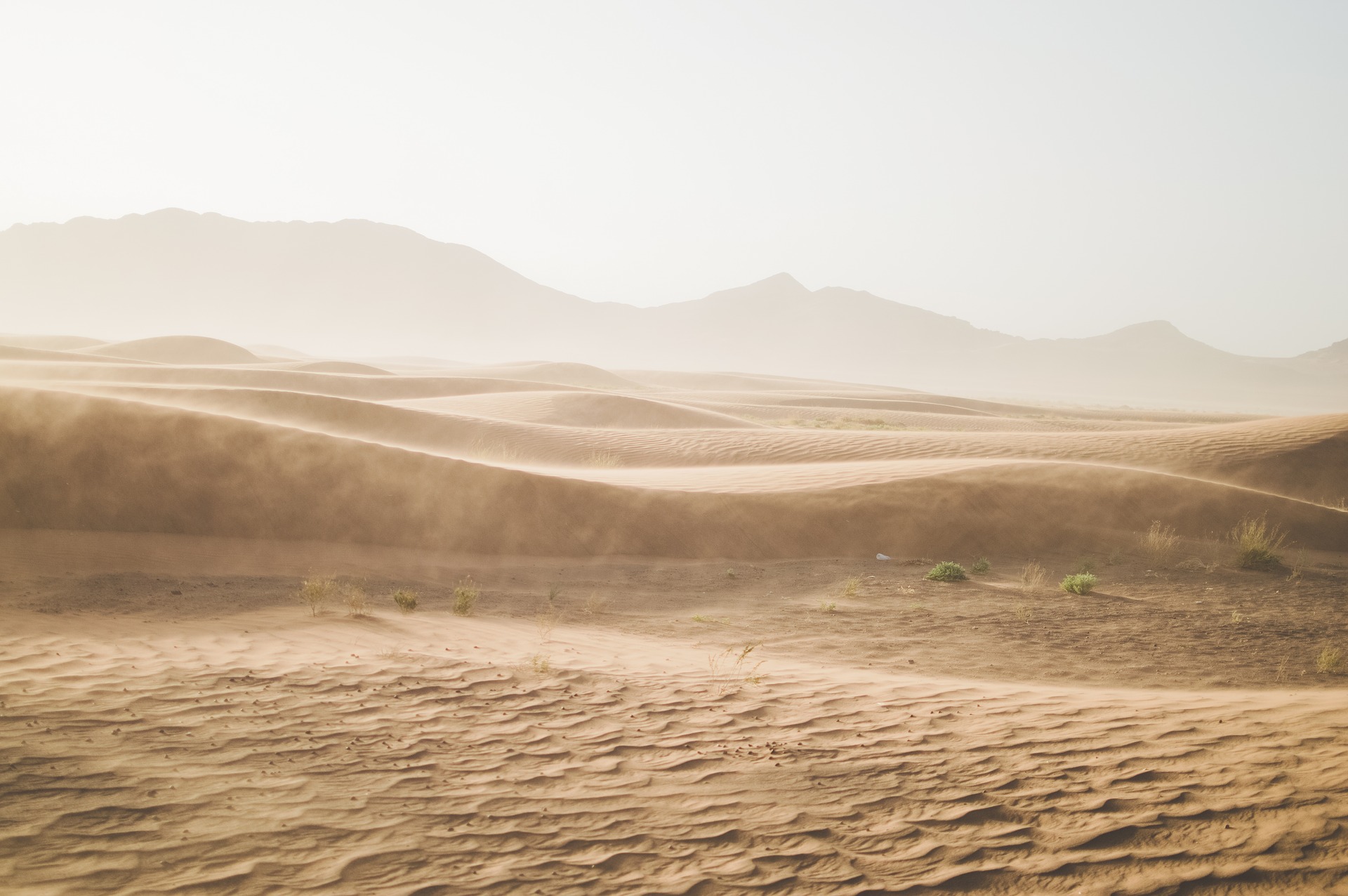
    A gigantic lake is not the first thing to think about when we hear the word Sahara. But about 10,000 to 5,000 years BCE, there were actually lakes in the Sahara.

    A research team from Belgium and Italy studied nearly 18,000 bone remnants in the Takarkori area of southwestern Libya. The Saharan Tadrart Acacus mountains are a windy, hot, and hyperarid place today. But the fossil record shows that for much of the early and middle Holocene (10,200 to 4650 years ago), this region was humid and rich in water as well as life, with evidence of multiple human settlements and diverse fauna.

    The vast majority of the bones were from fish, including Catfish and tilapia. Many fossils had cutting marks and traces of burning, and are therefore believed to be food remains from people who lived here at that time.

    Fish remains made up almost 80 percent of the entire find overall, which numbered 17,551 faunal remains total (19 percent of these were mammal remains, with bird, reptile, mollusk, and amphibian remains the last 1.3 percent).

    The closer in time to the present day, from about 10,000 years to 5,000 years ago, the smaller the proportion of fish fossils were among the findings. Instead, the proportion of fossils from mammals increased, suggesting the inhabitants of Takarkori gradually focused more on hunting/livestock.

    The amount of fish decreased over time from 90 percent of all remains 10,200-8000 years BCE versus only 40 percent of all remains 5900-4650 years BCE, as the number of mammal remains increased.

    “This study reveals the ancient hydrographic network of the Sahara and its interconnection with the Nile, providing crucial information on the dramatic climate changes that led to the formation of the largest hot desert in the world. Takarkori rock shelter has once again proved to be a real treasure for African archaeology and beyond: a fundamental place to reconstruct the complex dynamics between ancient human groups and their environment in a changing climate.”

    – The authors write.

    The study was published in the open-access journal PLOS ONE by Wim Van Neer from the Natural History Museum in Belgium, Belgium and Savino di Lernia, Sapienza University of Rome, Italy, and colleagues.

    Reference:

    Van Neer, W. et al. (2020) “Aquatic fauna from the Takarkori rock shelter reveals the Holocene central Saharan climate and palaeohydrography” PLOS ONE 15(2): e0228588. DOI: 10.1371/journal.pone.0228588
    Share. Facebook Twitter Pinterest LinkedIn Tumblr Email Copy Link

    Related Posts

    All Dogs Are Descended from the Same Wolf

    November 30, 2020

    A Newly Identified Raptor Hunted With The Terrifying Agility of a Cheetah

    June 16, 2020

    European Neanderthals Feasted on Fresh Seafood, Boosting Their Brain

    March 30, 2020

    18,000-Year-Old Frozen Puppy Found Perfectly Preserved in Siberian Permafrost

    December 9, 2019

    Huge mysterious ape Gigantopithecus was a distant cousin of orangutans

    November 25, 2019

    Fossil Teeth Reveal Ancient Hyenas in the Arctic

    July 1, 2019
    Recent Posts
    • Largest Battles in History: Cannae — Rome’s Darkest Day
    • The Day the Alliance Died
    • Evaluating Heart Disease: How Cumulative Diet Choices Compound Your Risk
    • What Would Happen If China Attacked Taiwan?
    • Geopoliticisation as a Structural Tailwind for Commodity Prices
    • America’s Economic Remodel: Who’s Really Paying the Bill?
    • Why Inflation May Be Preparing for a Second Act
    • How the End of Bretton Woods Reshaped Our Economies — and Our Politics
    • Can the U.S. Really Handle 250% Debt-to-GDP? Why Jackson Hole’s Daring Paper Is Wrong
    • Japan’s Fiscal Trap: What Happens If Austerity Is No Longer an Option?
    © 2025 Illustrated Curiosity

    Type above and press Enter to search. Press Esc to cancel.