
An archeological excavation of a coastal site in Portugal reveals that Neanderthals dined on a menu of seafood with a side of meat and pine nuts.
In the latest study, researchers found evidence that at least some groups of Neanderthals might have not feasted on mammoth steak — instead preferring fresh shark or even dolphins.
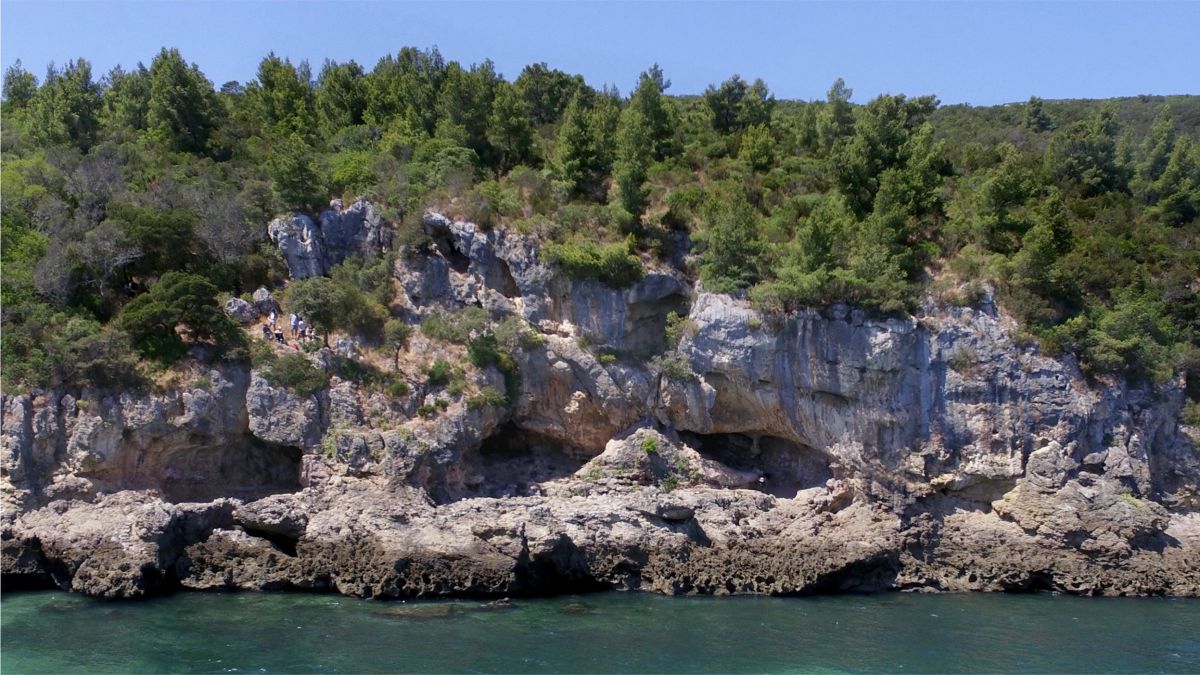
The recent excavation of the Figueira Brava site in Portugal revealed a wealth of fossilized remains of food, including fish, birds, nuts, and mammals. It’s estimated that Neanderthals lived in the cave between 86,000 and 106,000 years ago.
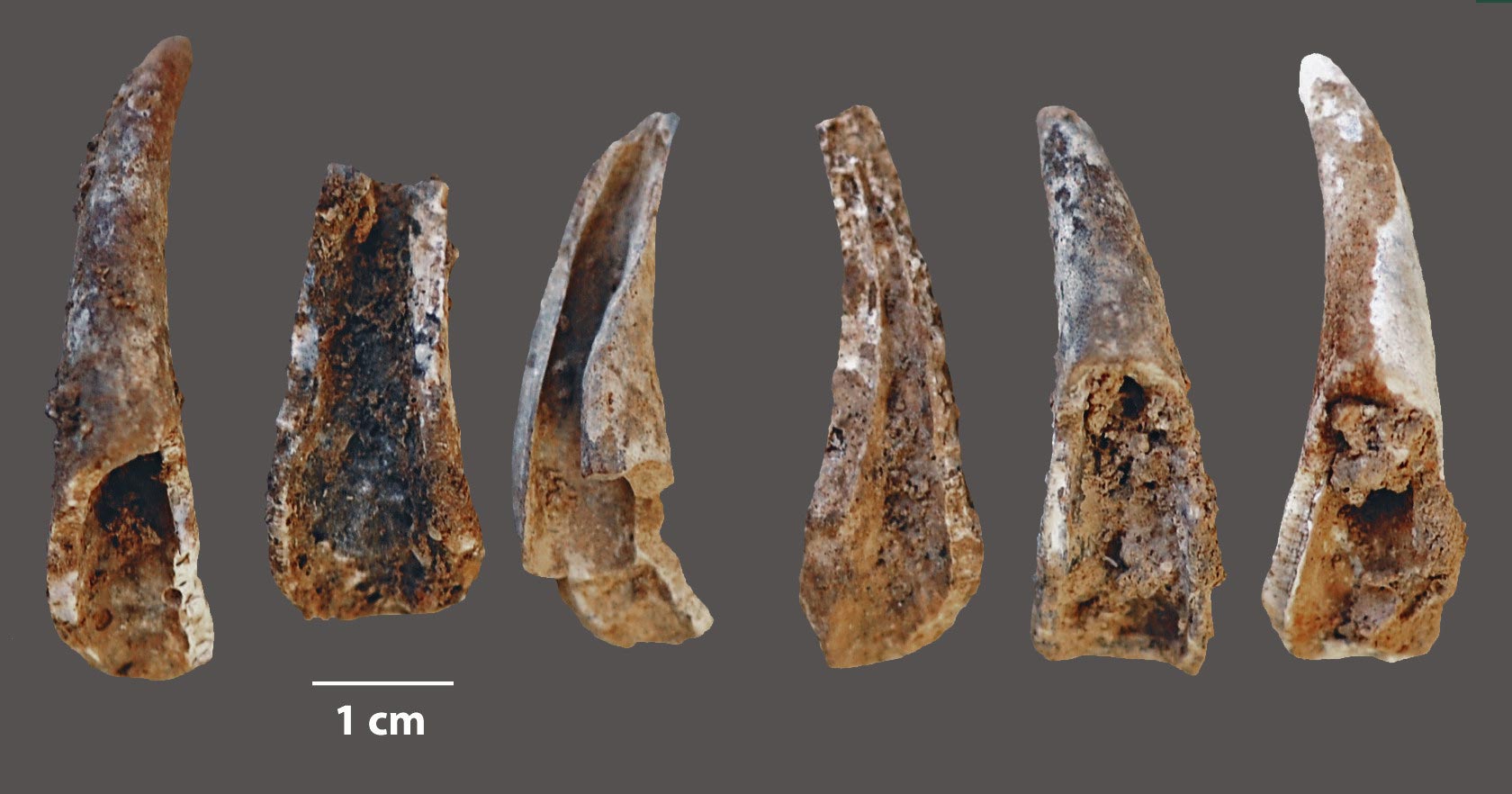
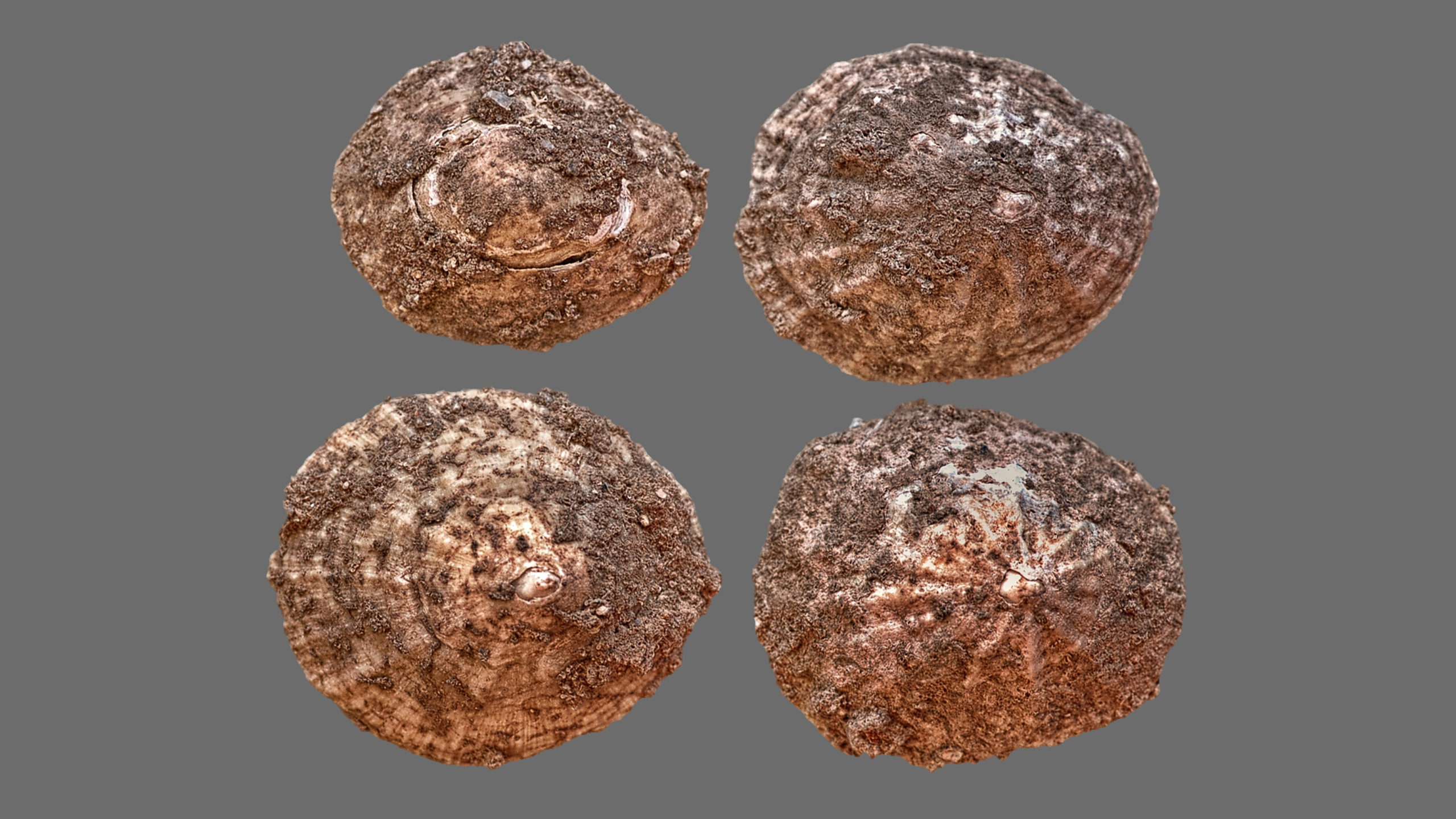
The archeologists found evidence that Neanderthals were consuming limpet, mussels, clams, brown crabs, spider crabs, sharks, eels, sea breams, mullets, even dolphins and seals. They also hunted marine birds such as mallards, common scoters (a large sea duck), geese, cormorants, gannets, shags, auks, egrets, and loons.
On land, they hunted red deer, goats, horses, tortoises and aurochs, an extinct wild ox. To supplement their diet, they used olive and fig trees as well as pine nuts taken from pine trees. The team found evidence that pine trees were a central part of neanderthal life.
“They used the wood for fuel and collected the pine cones, stored them, then consumed them as needed by roasting the cones and cracking the nuts to eat the kernel,”
– Lead researcher João Zilhão at the University of Barcelona, Spain,
The finding of seafood is particularly intriguing since several anthropologists support a theory that the brain-boosting fatty acids found in seafood enhanced our ancestors’ cognitive abilities.
That the brain-boosting fatty acids contained in seafood were thought to have led to a flourishing of cultural and technological innovations by early homo sapiens, such as the creation of shell bead ornaments and graphic drawings.
These new findings suggest that we homo sapiens wasn’t alone in our craving of seafood — Neanderthals also enjoyed some Frutti di Mare.
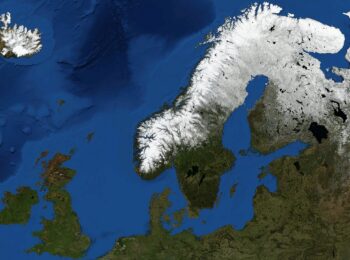
This is the first time that Neanderthal seafood-eating habits have been observed, mainly because many of the coastal areas that existed at that time have disappeared. Neanderthals once living in what is now Italy and across the Iberian Peninsula likely would have followed a similar lifestyle with a Mediterranean climate.
“Figueira Brava provides the first record of significant marine resource consumption among Europe’s Neanderthals,”
– The researchers write in the study.
There was another significant finding at the site, so-called middens. These are essentially organized dump structures. This is significant because it suggests that Neanderthals were organized and structured in their behavior.
The discovery sheds light on Neanderthal populations who relied on the sea as a source of food, in addition to hunting and gathering on land — a much different picture than those who were hunting mammoths in bitterly cold climates.
The study has been published in Science.
Reference:
J. Zilhão el al. Last Interglacial Iberian Neandertals as fisher-hunter-gatherers Science 27 Mar 2020: Vol. 367, Issue 6485, eaaz7943 DOI: 10.1126/science.aaz7943