
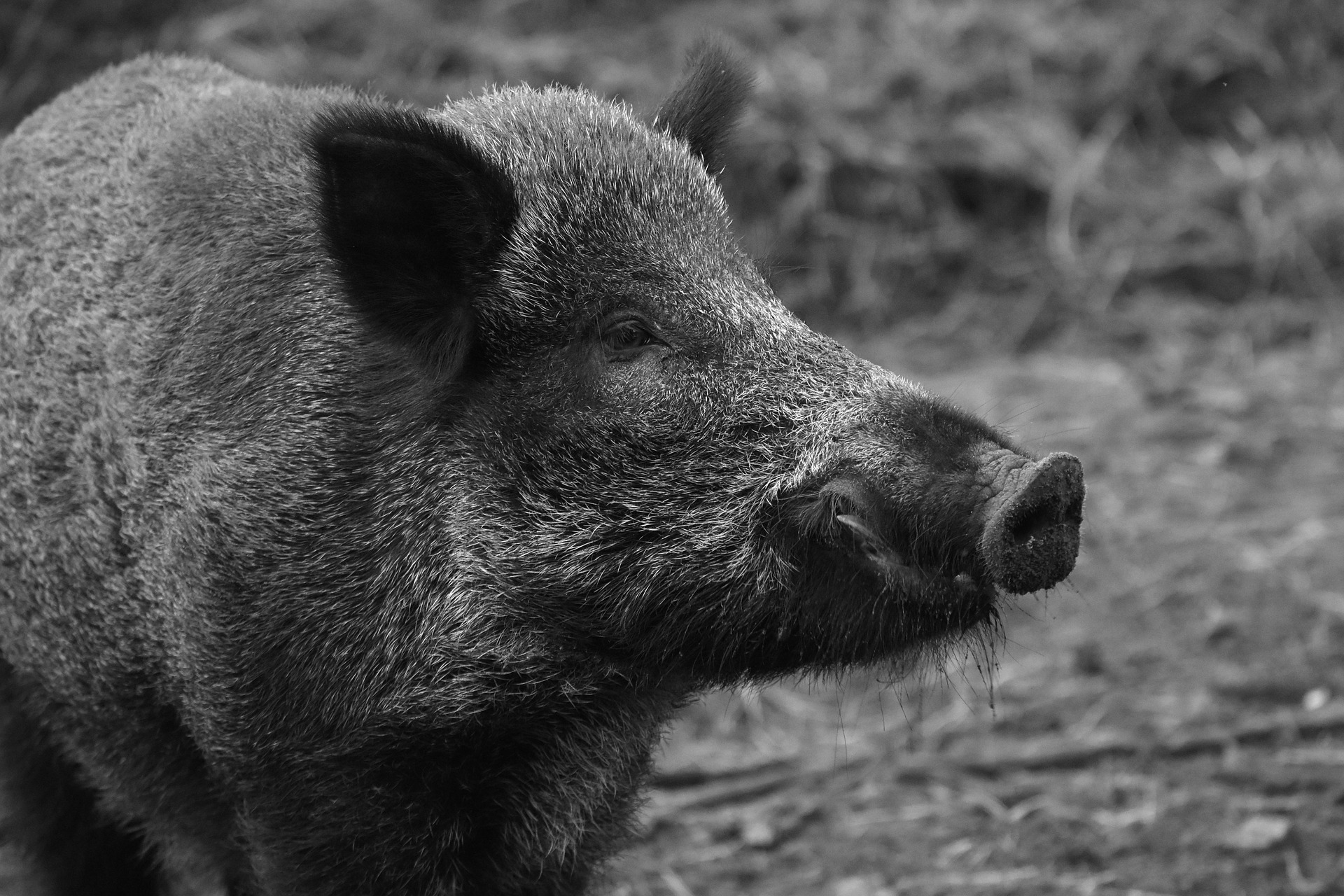
The Swedish news media report that a highly radioactive boar was shot in Sweden with over ten times over the Swedish national food administration limit value, 33 years since the Chernobyl accident in 1986.
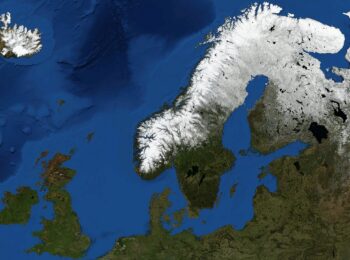
The nuclear disaster in Chernobyl is still very relevant today. In the Gävle region in the middle of Sweden, quite close to Stockholm, the fallout from the nuclear accident was the worst.
With increasing numbers of wild boars moving north in Sweden they will increase the probability that they will encounter some particularly radioactive soil. Their grouting behavior will hence result in an increase in the radiation content in the meat.
Meat from several wild boars has been tested with very high levels. A boar that was shot in August 2017, in Trullsbo, south of Gävle, turned out to have 13,000 Becquerel per kilo (Bq / kg) of meat. The Swedish National Food Administration has set a limit value of 1500 Bq / kg for food to be allowed for sale.
Recently, an even higher value was measured in wild boar meat, at 16,000 Bq / kg. The boar was also shot in the same general area as the others, in and around Gävle.
The wild boar’s relatively short life means that the animals themselves run very little risk of being adversely affected by the radioactivity from the cesium that fell from the sky that day in April 1986.
The adverse effects will be much worse for those who want to sell and eat the meat, any humans consuming the meat would have an increased risk of cancer.
The level of radioactivity in game meat from moose and other animals that were already present in the most affected areas has steadily declined over the years and nowadays mostly below the limit value according to the Swedish Radiation Safety Authorityy.
But since the wild boar is starting to migrate into the most radiation-affected areas and grout the soil, they will come into contact with larger amounts of cesium. Since the radiation will be in the ground for a very long time, the wild boar will also have to be tested for a long time to come.
Sweden was the first country to raise the alarm about Chernobyl. On April 28th, 1986, the nation detected an unexplained rise in radiation levels at one of their own nuclear powerplants at Forsmark. The Soviet Union, which was responsible for the reactor, did not confirm the disaster until May 14th.
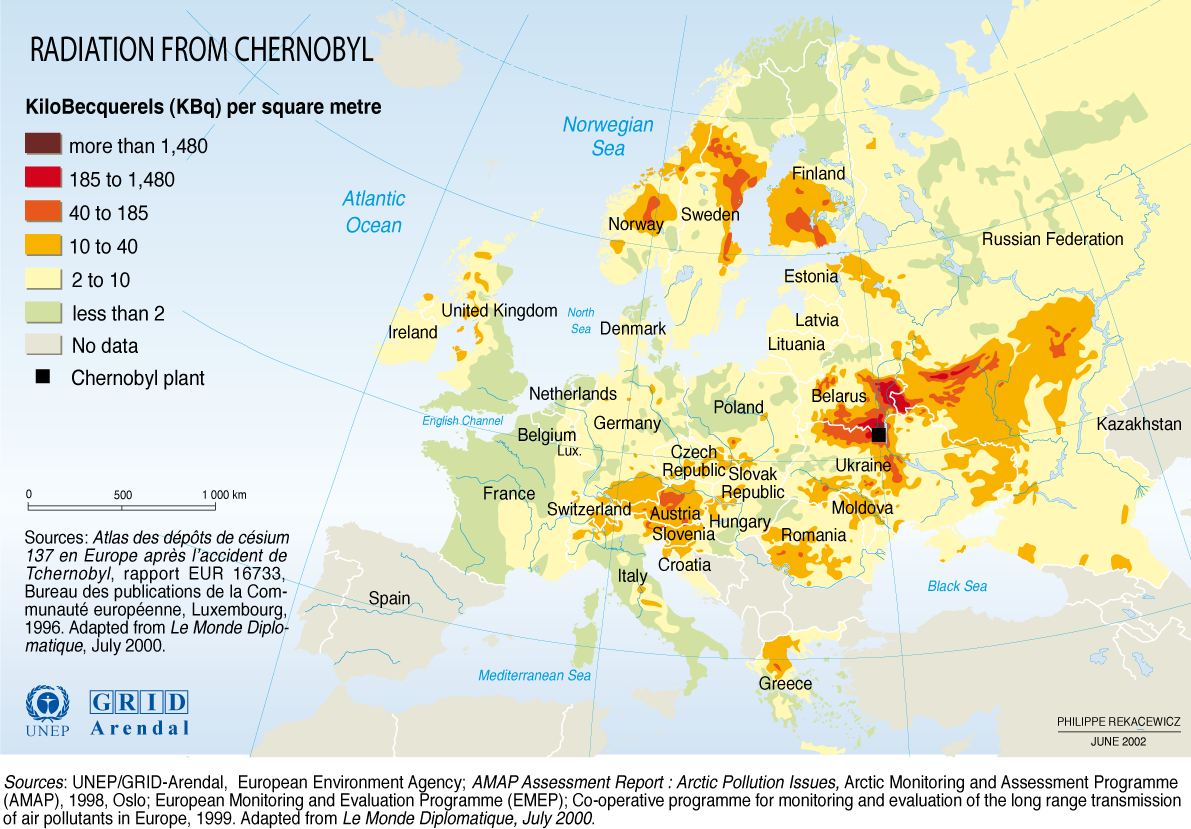
After the explosion at the reactor in what is now Ukraine, a large part of Sweden and Finland was covered by a toxic cloud of radioactive iodine and cesium-137 and when the rain came, the area around Gävle in the center-east of the country took the brunt of the radioactive pollution.
When the nuclear power plant broke down 30 years ago there were major concerns in Sweden about cancer cases shooting up as the radioactive fallout wafted over the countryside. However, that has not happened.
Since Swedes were exposed to low doses overall, the number of additional cancer cases have been so few that it is not possible to determine whether they can be attributed to what happened at Chernobyl.