Close Menu
Illustrated Curiosity | Economics, History, Science, Space, Technology, Health, Physics, Earth
    Facebook X (Twitter) Instagram YouTube
    Illustrated Curiosity | Economics, History, Science, Space, Technology, Health, Physics, Earth
    • Earth
    • Economics
    • Environment
      • Environmental Tech
      • Pollution
      • Wildlife
    • Health
      • Health Tech
      • Medicine
      • Nutrition
      • Exercise
    • History
      • Prehistory
      • Ancient History
      • Postclassical Era
      • Modern History
    • Humans
      • Human Brain
      • Psychology
    • Life
      • Animals & Plants
      • Genetics
      • Paleontology
      • Evolution
      • Genetic Engineering
    • Physics
    • Space
      • Astrobiology
      • Astronomy
      • Extrasolar Planets
      • Space Tech
      • Spaceflight
    • Technology
      • Artificial Intelligence
      • Energy
      • Engineering
      • Materials
      • Robotics
      • Vehicles
    Illustrated Curiosity | Economics, History, Science, Space, Technology, Health, Physics, Earth
    Home » Seven Million Oysters Find New Home on Restored Reef
    Wildlife

    Seven Million Oysters Find New Home on Restored Reef

    December 2, 20193 Mins Read
    Share
    Facebook Twitter LinkedIn Pinterest Email
    Pixabay License
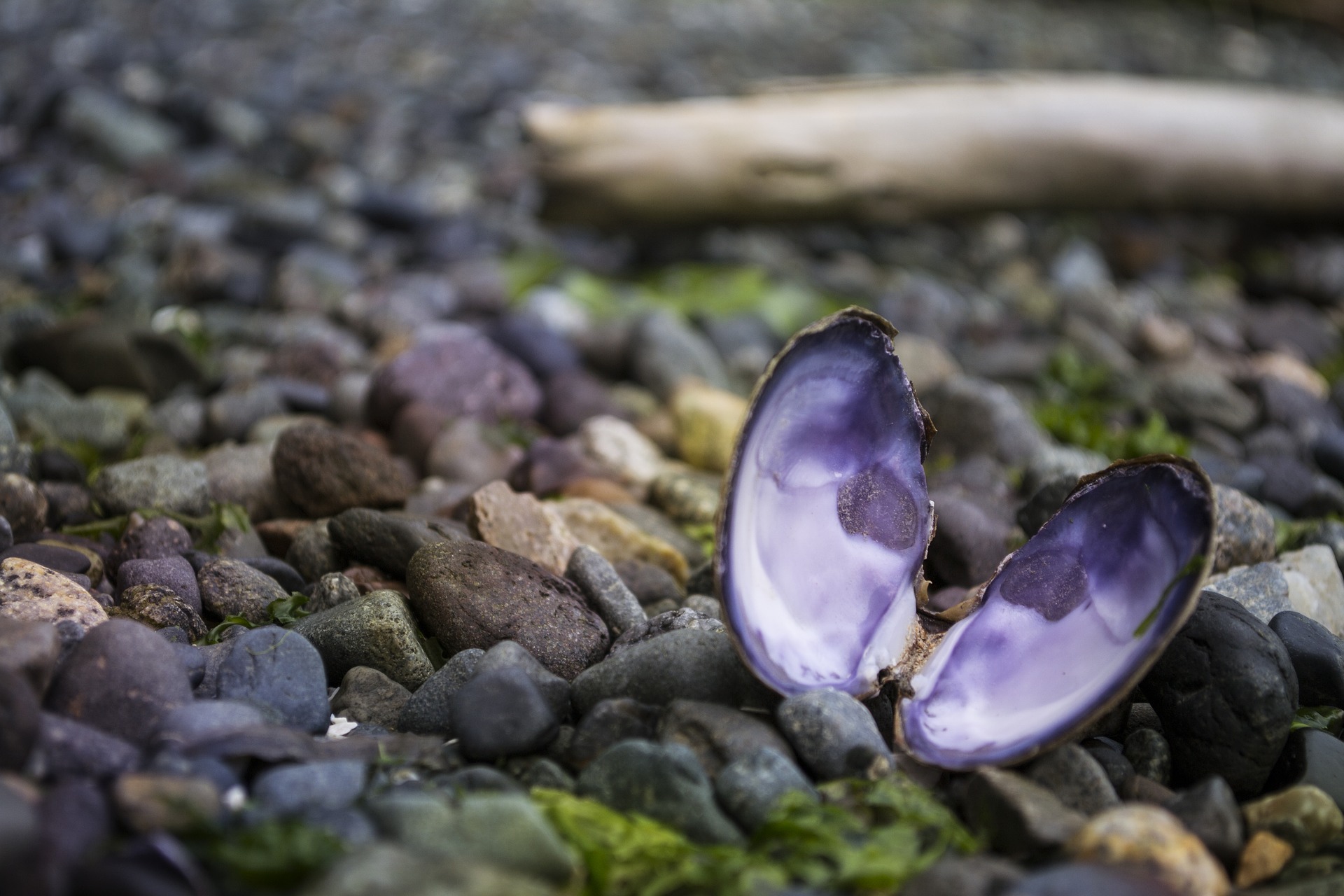
    Oyster is the common name for a number of different families of saltwater bivalve molluscs that live in marine or brackish habitats. Oysters were often harvested by using a dredge that is towed through an oyster bed by a boat, picking up the oysters in its path. While dredges collect oysters more quickly, they heavily damage the beds, and their use is highly restricted today.

    The Southern Hemisphere’s largest reef restoration project has reached an important milestone with the seeding of more than 80,000 endangered Australian flat oysters.

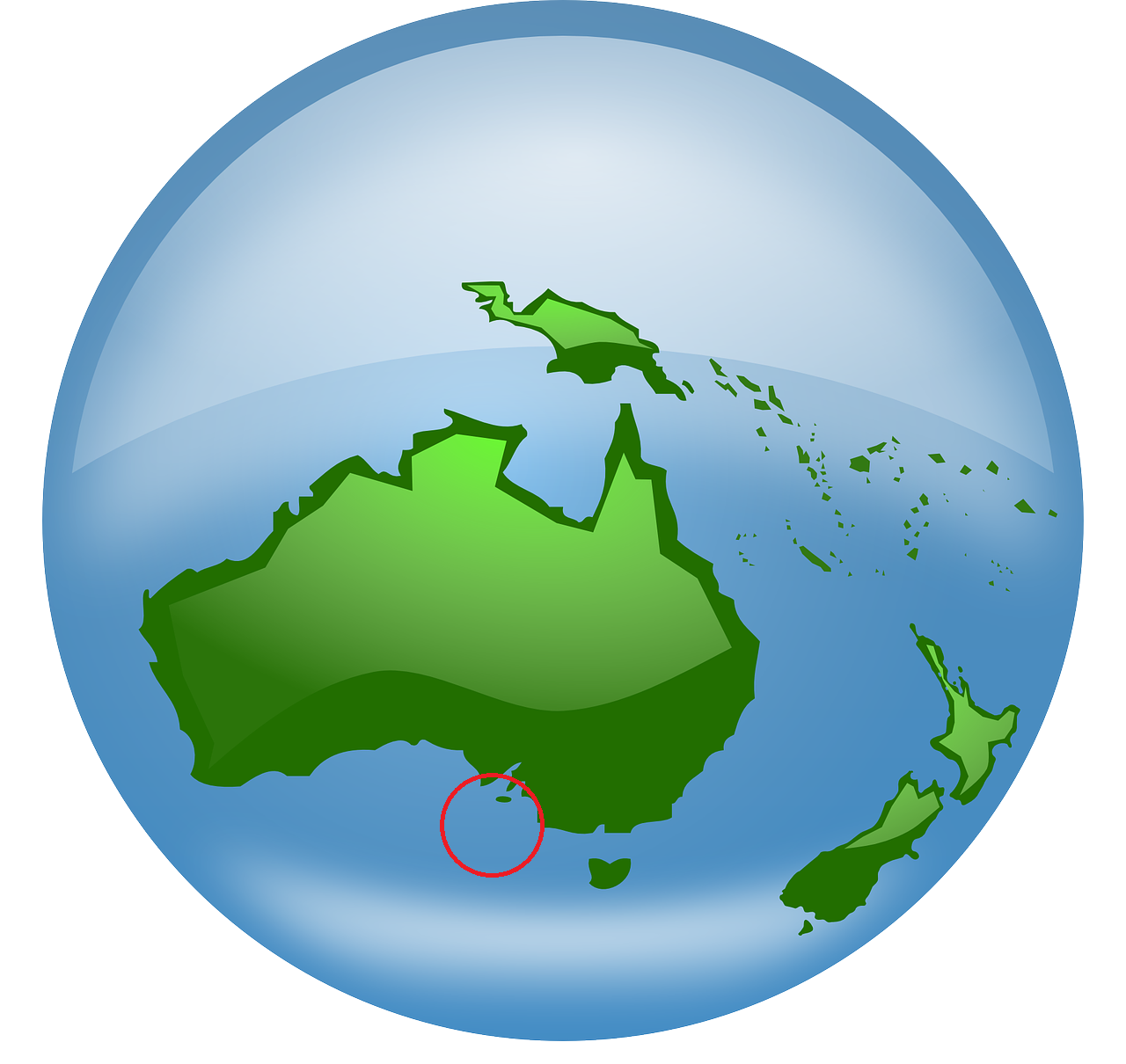
    The wild release of the hatchery-raised Australian Flat Oysters marks the final stage of three years of work to reconstruct natural shellfish reefs in Gulf St Vincent, South Australia.
    Pixabay License
    The Windara Reef system is under 10 meters of water about a kilometer off the coast near the Yorke Peninsula town of Ardrossan, constructed from limestone boulders and concrete ‘reef balls’.

    The aim is to rebuild 60 reefs in six years across Australia. Another deployment of native oysters will take place on the reef later this year with the goal of boosting their numbers to more than 7 million in the 20ha zone. If achieved, it will make Australia the world’s first nation to recover a critically endangered marine ecosystem.

    The project is a collaboration between The Nature Conservancy (TNC), the Government of South Australia, the Australian Government through the National Stronger Regions Fund, Yorke Peninsula Council, and the University of Adelaide.

    Australia’s southern coastline was home to thousands of kilometers of oyster reefs before European settlement, but dredging to remove substrate for lime production and the harvesting of oysters for food wiped out all the reefs except for one off the coast of Tasmania.

    “Getting the oysters out on the reef is a huge milestone for the project and marks the completion of the construction of Windara Reef,“

    “We’re already seeing millions of native oysters being naturally recruited onto the reef. The addition of seven million more from the hatchery will really give the reefs a tremendous boost.”

    – TNC Marine Restoration Coordinator Anita Nedosyko

    “Rebuilding these locally extinct reefs will bring back so many benefits to the Gulf and its local communities, including greater marine biodiversity, boosting fish productivity and improving water quality in the region,”

    – South Australian Environment and Water Minister David Speirs.

    An adult native oyster (Ostrea angasi) can filter more than 100 liters of water a day and excrete a mucus-like substance that is rich in nutrients and provides food for small shellfish that, in turn, provide food for larger fish.

    Coral Reefs
    Share. Facebook Twitter Pinterest LinkedIn Tumblr Email Copy Link

    Related Posts

    Researchers Warn: The Bumblebees Are Heading for Extinction

    March 9, 2020

    Veramaris Opens USD 200 Million Algal Oil Facility

    December 10, 2019
    Recent Posts
    • The Day the Alliance Died
    • Evaluating Heart Disease: How Cumulative Diet Choices Compound Your Risk
    • What Would Happen If China Attacked Taiwan?
    • Geopoliticisation as a Structural Tailwind for Commodity Prices
    • America’s Economic Remodel: Who’s Really Paying the Bill?
    • Why Inflation May Be Preparing for a Second Act
    • How the End of Bretton Woods Reshaped Our Economies — and Our Politics
    • Can the U.S. Really Handle 250% Debt-to-GDP? Why Jackson Hole’s Daring Paper Is Wrong
    • Japan’s Fiscal Trap: What Happens If Austerity Is No Longer an Option?
    • The Rise of Range Extended Electric Vehicles (REEVs): A New Era of Hybrid Mobility
    © 2025 Illustrated Curiosity

    Type above and press Enter to search. Press Esc to cancel.