Close Menu
Illustrated Curiosity | Economics, History, Science, Space, Technology, Health, Physics, Earth
    Facebook X (Twitter) Instagram YouTube
    Illustrated Curiosity | Economics, History, Science, Space, Technology, Health, Physics, Earth
    • Earth
    • Economics
    • Environment
      • Environmental Tech
      • Pollution
      • Wildlife
    • Health
      • Health Tech
      • Medicine
      • Nutrition
      • Exercise
    • History
      • Prehistory
      • Ancient History
      • Postclassical Era
      • Modern History
    • Humans
      • Human Brain
      • Psychology
    • Life
      • Animals & Plants
      • Genetics
      • Paleontology
      • Evolution
      • Genetic Engineering
    • Physics
    • Space
      • Astrobiology
      • Astronomy
      • Extrasolar Planets
      • Space Tech
      • Spaceflight
    • Technology
      • Artificial Intelligence
      • Energy
      • Engineering
      • Materials
      • Robotics
      • Vehicles
    Illustrated Curiosity | Economics, History, Science, Space, Technology, Health, Physics, Earth
    Home » More and More Fishing Vessels Are Chasing Fewer and Fewer Fish
    Wildlife

    More and More Fishing Vessels Are Chasing Fewer and Fewer Fish

    June 3, 20192 Mins Read
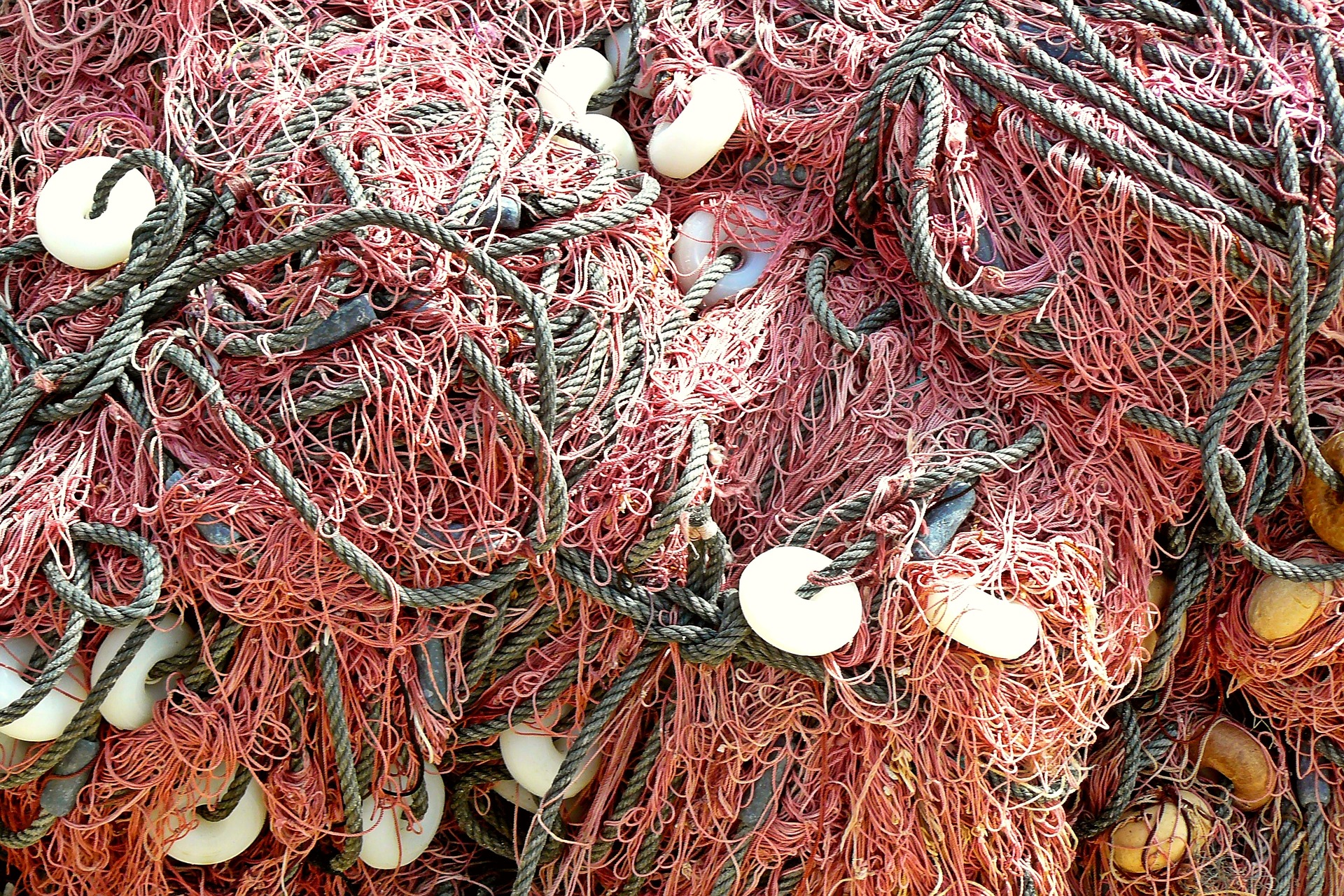
    Illustration: Illustrated Curiosity
    Share
    Facebook Twitter LinkedIn Pinterest Email


    A new analysis of global fishing data has found the world’s fishing fleet doubled in size over the 65-years to 2015, but for the amount of effort expended, the catch fell more than 80 percent.

    The number of fishing vessels in the world has doubled since 1950, when there were about 1.7 million ships roaming the oceans; 65 years later, that number had increased to 3.7 million vessels.

    But despite the fact that technology has improved and more boats are now motorized, today, more resources are required to catch as many fish as in the 1950s.

    According to a study by New Zealand published in the journal Proceedings of the National Academy of Sciences, the same workload gives 80 percent less fish caught today than it did 65 years ago.

    The researchers argue that it gives a picture of how marine resources are affected by the global fishing pressure.

    “What we have seen over the last 65 years is more and more fishing vessels chasing fewer fish,”

    “Since 1950 a dramatic increase in the size of the fishing fleet in Asia has more than offsetting small declines in North America and Western Europe.”

    “Most of the increase in vessel numbers has been in motorized fishing boats, a change from the unpowered ‘artisanal’ fishing vessels that once characterized Asian and African fishing fleets.”

    “But, despite its advanced technology and increased numbers, the modern motorized fleet is having to work much harder to catch fewer fish,”

    – IMAS and CMS Ph.D. student Yannick Rousseau, who led the study.

    At the same time, in recent years, there has been some tightening in many countries in terms of rules and fishing quotas, according to the study authors.

    Reference:
    Y. Rousseau et al. Evolution of global marine fishing fleets and the response of fished resources. Proceedings of the National Academy of Sciences.
    Overfishing
    Share. Facebook Twitter Pinterest LinkedIn Tumblr Email Copy Link

    Related Posts

    Researchers Warn: The Bumblebees Are Heading for Extinction

    March 9, 2020

    Veramaris Opens USD 200 Million Algal Oil Facility

    December 10, 2019

    Seven Million Oysters Find New Home on Restored Reef

    December 2, 2019

    Earth is Seeing ‘Catastrophic Collapse’ of Insects

    February 13, 2019

    Study Finds Flying Insect Numbers Have Plunged up to 80% in 30 Years

    November 11, 2017

    Coral Reefs Threatened by Pollution, Overfishing and Global Warming

    June 10, 2016
    Recent Posts
    • Oil Shocks, Policy Mistakes, and the Risk of a Second Inflation Wave (Part II)
    • Oil Shocks, Policy Mistakes, and the Risk of a Second Inflation Wave (Part I)
    • Microsoft Stored a Movie on Glass — And It Could Last Centuries
    • AI, Automatic Stabilizers & Inflation
    • Largest Battles in History: Cannae — Rome’s Darkest Day
    • The Day the Alliance Died
    • Evaluating Heart Disease: How Cumulative Diet Choices Compound Your Risk
    • What Would Happen If China Attacked Taiwan?
    • Geopoliticisation as a Structural Tailwind for Commodity Prices
    • America’s Economic Remodel: Who’s Really Paying the Bill?
    © 2025 Illustrated Curiosity

    Type above and press Enter to search. Press Esc to cancel.