Close Menu
Illustrated Curiosity
    Facebook X (Twitter) Instagram YouTube
    Illustrated Curiosity
    • Earth
    • Economics
    • Environment
      • Climate
      • Environmental Tech
      • Pollution
      • Wildlife
    • Health
      • Health Tech
      • Medicine
      • Nutrition
      • Exercise
    • History
      • Prehistory
      • Ancient History
      • Postclassical Era
      • Modern History
    • Humans
      • Human Brain
      • Psychology
    • Life
      • Animals & Plants
      • Genetics
      • Paleontology
      • Evolution
      • Genetic Engineering
    • Physics
    • Space
      • Astrobiology
      • Astronomy
      • Extrasolar Planets
      • Space Tech
      • Spaceflight
    • Technology
      • Artificial Intelligence
      • Energy
      • Engineering
      • Materials
      • Robotics
      • Vehicles
    Illustrated Curiosity
    Home » Researchers Warn: The Bumblebees Are Heading for Extinction
    Wildlife

    Researchers Warn: The Bumblebees Are Heading for Extinction

    March 9, 20203 Mins Read
    Share
    Facebook Twitter LinkedIn Pinterest Email
    Pixabay License
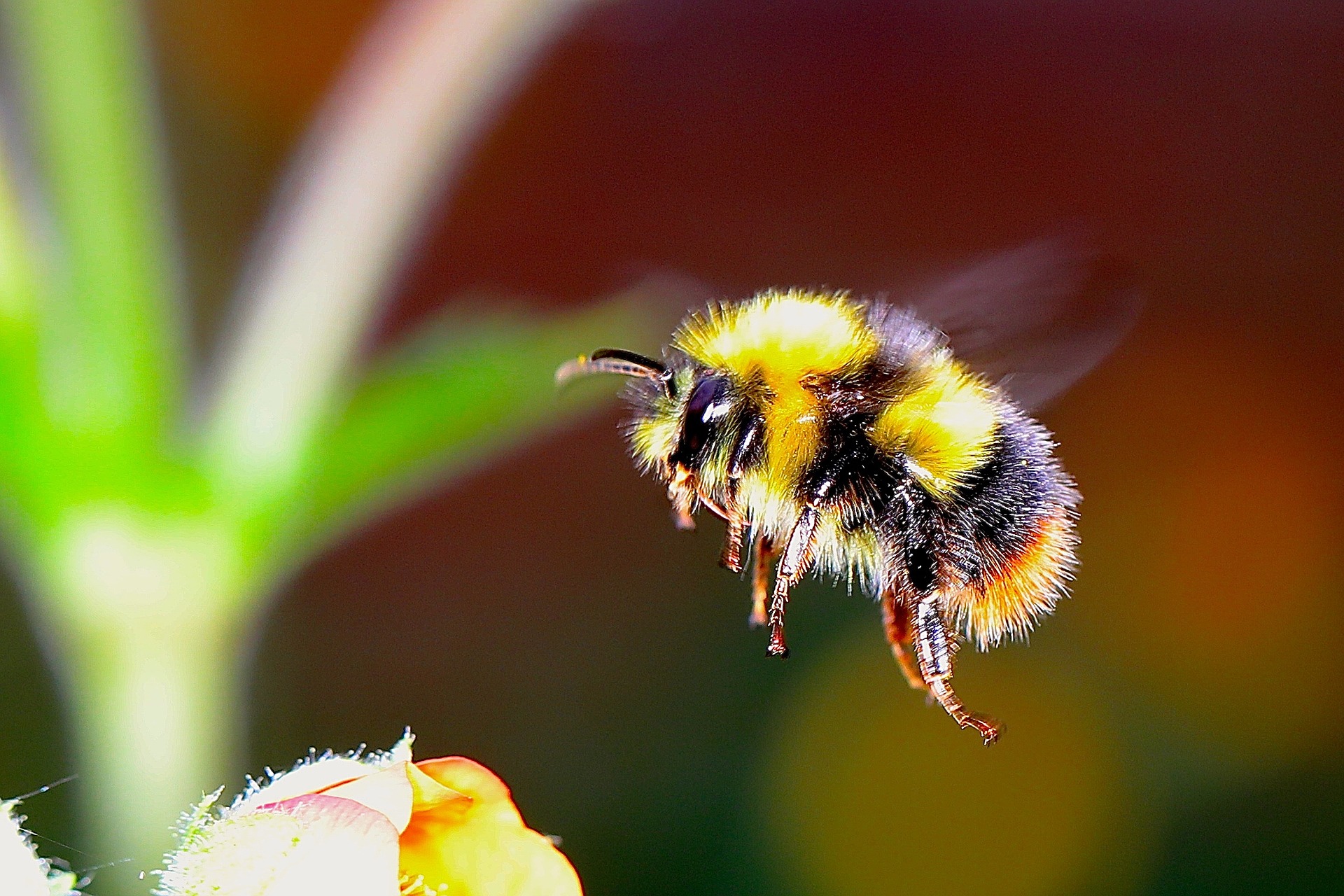
    There are over 250 species in the genus Bombus, part of Apidae, one of the bee families. The bumblebee is primarily found in higher altitudes or latitudes in the Northern Hemisphere, although they are also found in South America where a few lowland tropical species have been identified. European bumblebees have also been introduced to New Zealand and Tasmania. Female bumblebees can sting repeatedly, but generally, ignore humans and other animals.

    Wild bumblebees are disappearing at a rapid rate in both Europe and North America. Now scientists are warning that these important pollinators are heading for extinction.

    The number of hops bumblebees dropped drastically over the past 50 years due to an accelerating “climate chaos”. This is what researchers write in a new meta-study published in the scientific journal Science.

    The research team, led by the Canadian University of Ottawa, has developed a model with the help of temperature data and half a million observation reports on 66 different species of bumblebees from the past 115 years. The team used this data to simulate various scenarios to find out how changes in temperature affect the number of bumblebees.

    The researchers note that climate change has contributed to a sharp drop in bumblebee populations across North America and Europe in recent decades.
    Pixabay License

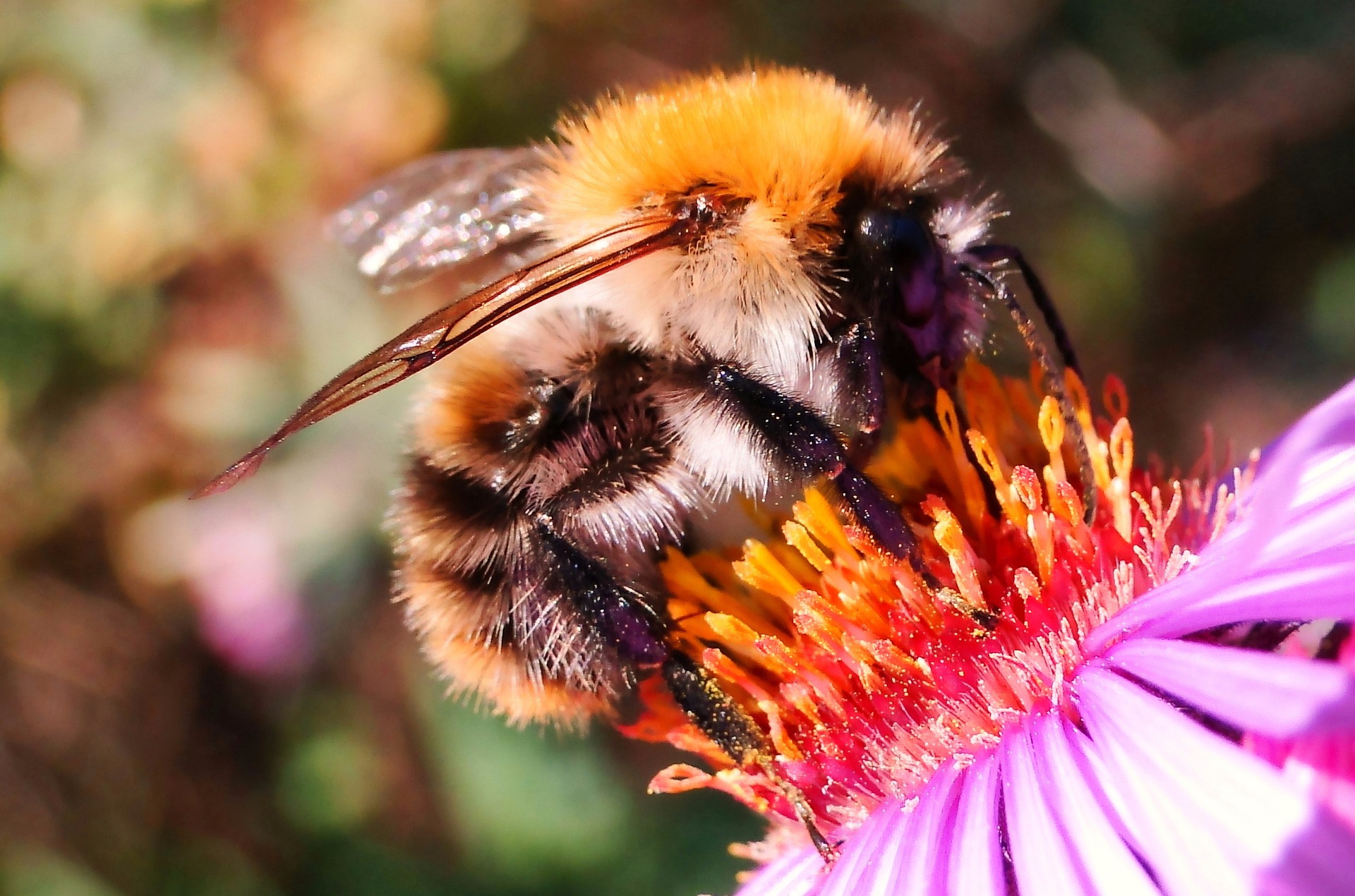
    Compared to the period 1900-1974, bumblebee numbers across dozens of distinct species dropped, on average, 46 percent during the first 15 years of the 21st century in Canada and the United States. In Europe, the corresponding decline of the pollinators was 17 percent, they reported in the journal Science.

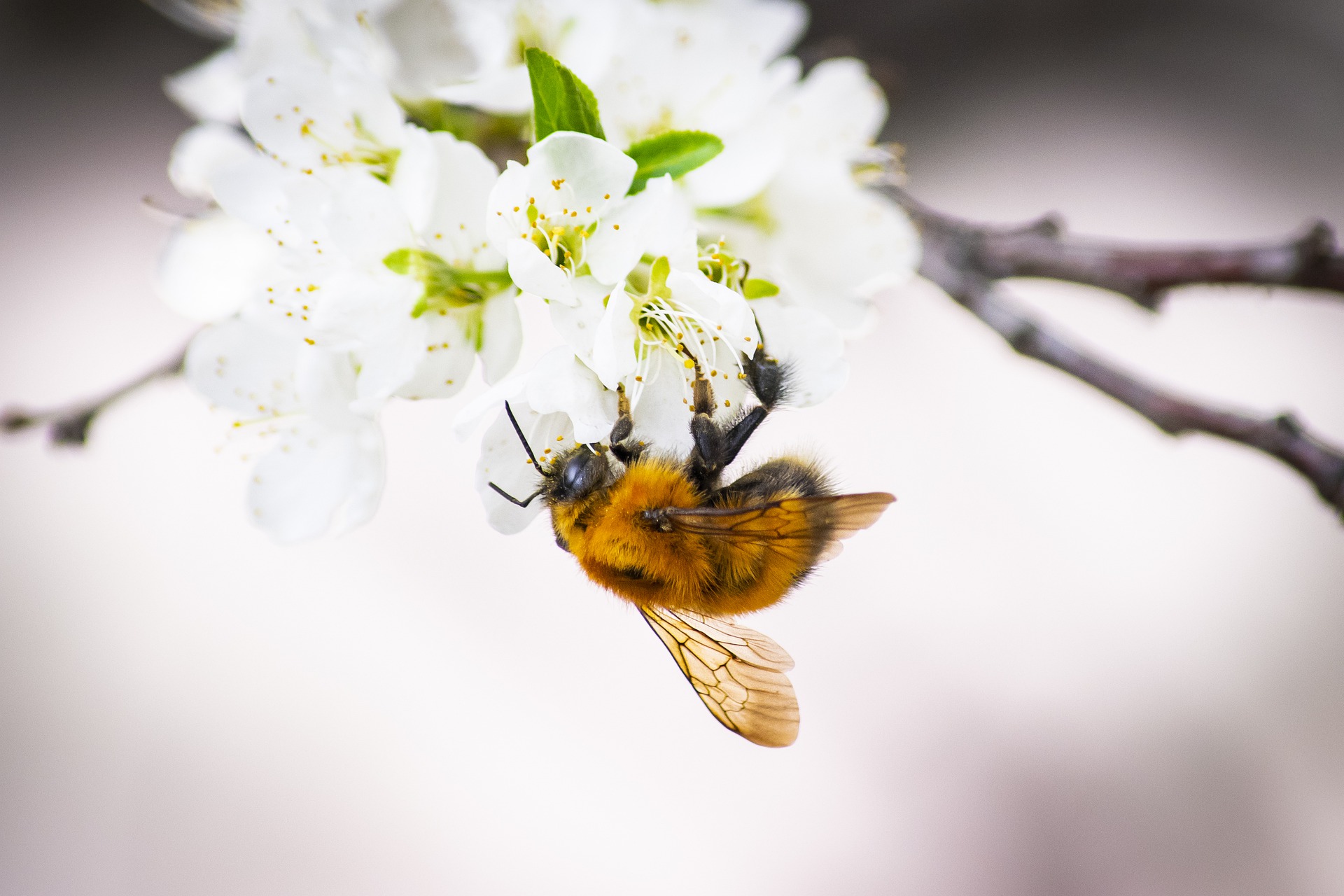
    Bumblebees play an important role as pollinators, both in the wild and in agriculture. Without them, the availability of fruits, berries, and vegetables would decrease for humans as well as other species.

    Insects are the world’s top pollinators – 75 percent of 115 top global food crops depend on animal pollination, including cocoa, coffee, almonds, and cherries, according to the UN.

    Previously, the exclusion of bumblebees communities was mainly explained by unilateral cultivation and the use of pesticides in large-scale agriculture. Therefore, the researchers were surprised at how much negative effect the temperature increase appears to have had on the populations in recent years.
    Pixabay License

    The research shows that areas most affected by global warming showed the most acute declines in bumblebee density, while populations rose in regions that had previously been too cool for the bees to thrive. But the numbers did not offset each other.

    “This suggests that recent climate change has driven stronger and more widespread bumblebee declines than have been reported previously.

    “Climate change-related local extinction among species greatly exceeded those of colonization, contributing to pronounced bumble bee species decline across both Europe and North America.”

    – The scientists concluded.

    Reference:

    Peter Soroye1, Tim Newbold, Jeremy Kerr Climate change contributes to widespread declines among bumblebees across continents Science 07 Feb 2020: DOI: 10.1126/science.aax8591

    Share. Facebook Twitter Pinterest LinkedIn Tumblr Email Copy Link

    Related Posts

    Veramaris Opens USD 200 Million Algal Oil Facility

    December 10, 2019

    Seven Million Oysters Find New Home on Restored Reef

    December 2, 2019

    More and More Fishing Vessels Are Chasing Fewer Fish

    June 3, 2019

    Earth is Seeing ‘Catastrophic Collapse’ of Insects

    February 13, 2019

    Study Finds Flying Insect Numbers Have Plunged up to 80% in 30 Years

    November 11, 2017

    Small fraction of worlds oceans could meet world’s fish demand

    August 17, 2017
    Recent Posts
    • America’s Quiet Shift Into Fiscal Dominance: Why Inflation May Be Preparing for a Second Act
    • How the End of Bretton Woods Reshaped Our Economies — and Our Politics
    • Can the U.S. Really Handle 250% Debt-to-GDP? Why Jackson Hole’s Daring Paper Is Wrong
    • Japan’s Fiscal Trap: What Happens If Austerity Is No Longer an Option?
    • The Rise of Range Extended Electric Vehicles (REEVs): A New Era of Hybrid Mobility
    • The Great Capital Rotation: A Shift from U.S. Treasuries to Gold and Real Assets
    • The Hidden Risks of Short-Term Debt: A Balancing Act in U.S. Fiscal Policy
    • The Looming U.S. Debt Spiral: Understanding the Risks
    • The Looming Recession: Seven Economic Indicators Flashing Red for 2025
    • Europa Clipper: NASA’s Mission to Unlock the Secrets of Jupiter’s Icy Moon
    © 2025 Illustrated Curiosity

    Type above and press Enter to search. Press Esc to cancel.

    This website uses cookies to improve your experience. We'll assume you're ok with this, but you can opt-out if you wish.Accept Reject Read More
    Privacy & Cookies Policy

    Privacy Overview

    This website uses cookies to improve your experience while you navigate through the website. Out of these, the cookies that are categorized as necessary are stored on your browser as they are essential for the working of basic functionalities of the website. We also use third-party cookies that help us analyze and understand how you use this website. These cookies will be stored in your browser only with your consent. You also have the option to opt-out of these cookies. But opting out of some of these cookies may affect your browsing experience.
    Necessary
    Always Enabled
    Necessary cookies are absolutely essential for the website to function properly. This category only includes cookies that ensures basic functionalities and security features of the website. These cookies do not store any personal information.
    Non-necessary
    Any cookies that may not be particularly necessary for the website to function and is used specifically to collect user personal data via analytics, ads, other embedded contents are termed as non-necessary cookies. It is mandatory to procure user consent prior to running these cookies on your website.
    SAVE & ACCEPT