
Researchers have identified a powerful new antibiotic compound using machine learning algorithms which can be used against some of the world’s most dangerous drug-resistant bacteria.
According to a study published in the journal Cell, the compound successfully removed strains of bacteria in mice that are resistant to all known antibiotics.
A team of scientists from MIT identified the new antibiotic using an advanced “machine learning” computer algorithm. It scanned a database of chemical compounds in order to find ones that may be effective at killing bacteria via different mechanisms to drugs that are already available.
The computer algorithm can screen more than a hundred million chemical compounds in a matter of days. It is designed to pick out potential antibiotics that kill bacteria using different mechanisms than those of existing drugs.
“We wanted to develop a platform that would allow us to harness the power of artificial intelligence to usher in a new age of antibiotic drug discovery,”
“Our approach revealed this amazing molecule which is arguably one of the more powerful antibiotics that has been discovered.”
– James Collins, the Termeer Professor of Medical Engineering and Science at MIT’s Institute for Medical Engineering and Science (IMES) and Department of Biological Engineering.
According to the researchers, this is the first time that machine-learning algorithms are used to improve our ability to find new antibiotics.
The algorithm was aimed specifically to track down possible antibiotic molecules known for being effective against Escherichia coli (E. coli). It comb through a database containing around 6,000 pharmaceutical compounds and identified an intriguing drug known as “halicin” — named after the infamous artificial intelligence system in Stanley Kubrick’s sci-fi epic 2001: A Space Odyssey — which has previously been explored by scientists as a potential treatment for diabetes.
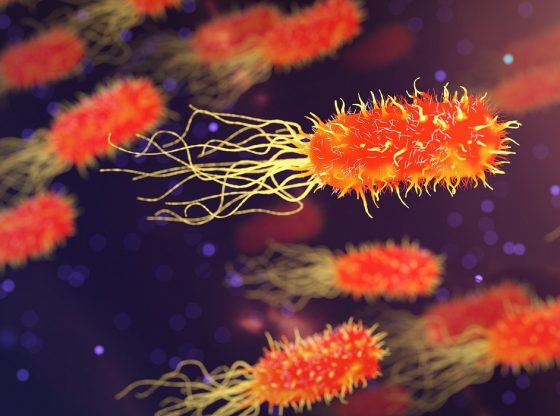
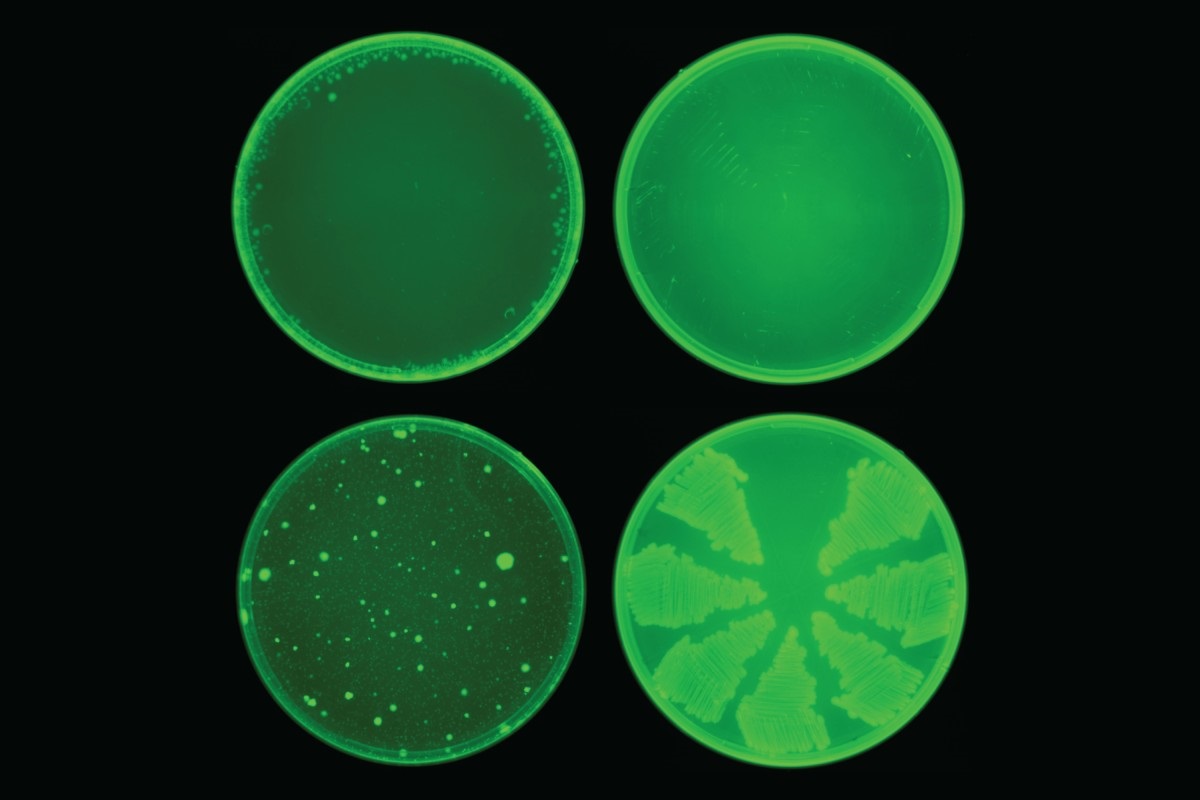
The researchers tested halicin against dozens of bacterial strains isolated from patients and grown in lab dishes and found that it was able to kill many that are resistant to treatment, including Clostridium difficile, Acinetobacter baumannii, and Mycobacterium tuberculosis. The drug worked against every species that they tested, with the exception of Pseudomonas aeruginosa, a difficult-to-treat lung pathogen.
Halicin’s broad potency, however, suggests that it may also destroy harmless bacteria in our body. It may also have metabolic side effects since it was originally designed as an anti-diabetic drug. Given the dire need for new antibiotics, these may be small sacrifices to pay to save lives.
The researchers now plan to test these molecules further. They plan to use their model to design new antibiotics and also to optimize existing molecules. They could train the model to add features that would make a particular antibiotic target only certain bacteria, preventing it from killing beneficial bacteria in a patient’s digestive tract.
Reference:
Jonathan M. Stokes, Kevin Yang, Kyle Swanson A Deep Learning Approach to Antibiotic Discovery DOI:https://doi.org/10.1016/j.cell.2020.01.021