Close Menu
Illustrated Curiosity
    Facebook X (Twitter) Instagram YouTube
    Illustrated Curiosity
    • Earth
    • Economics
    • Environment
      • Climate
      • Environmental Tech
      • Pollution
      • Wildlife
    • Health
      • Health Tech
      • Medicine
      • Nutrition
      • Exercise
    • History
      • Prehistory
      • Ancient History
      • Postclassical Era
      • Modern History
    • Humans
      • Human Brain
      • Psychology
    • Life
      • Animals & Plants
      • Genetics
      • Paleontology
      • Evolution
      • Genetic Engineering
    • Physics
    • Space
      • Astrobiology
      • Astronomy
      • Extrasolar Planets
      • Space Tech
      • Spaceflight
    • Technology
      • Artificial Intelligence
      • Energy
      • Engineering
      • Materials
      • Robotics
      • Vehicles
    Illustrated Curiosity
    Home » Jawbone Fossil Reveals More About the Denisovans
    Prehistory

    Jawbone Fossil Reveals More About the Denisovans

    May 6, 2019No Comments4 Mins Read
    Share
    Facebook Twitter LinkedIn Pinterest Email
    Image: Jean-Jacques Hublin, MPI-EVA, Leipzig
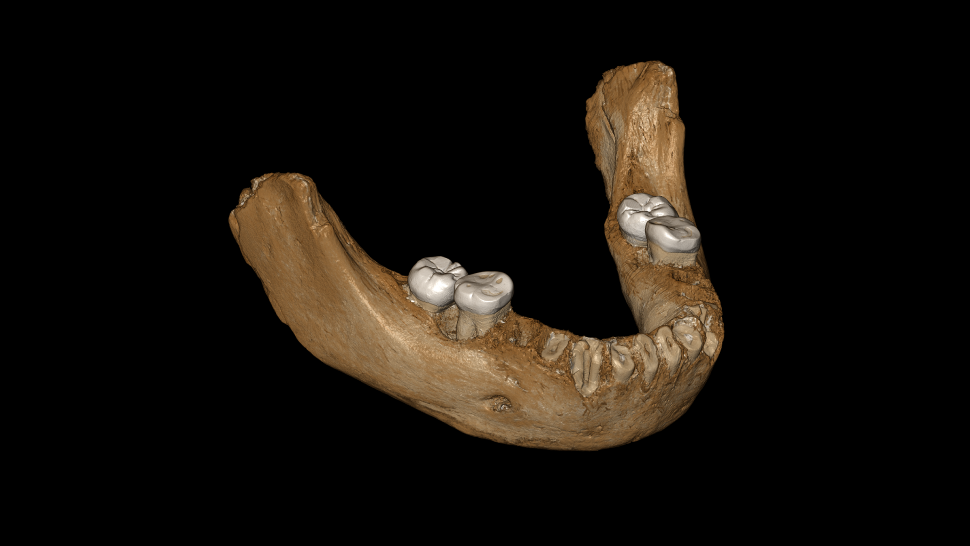
    Virtual computer reconstruction of the Xiahe mandible, with layer of carbonate crust digitally removed.

    In 2010, researchers reported that they had extracted the genome sequence from a finger bone found in Denisova Cave in southern Siberia. The bone belonged to an enigmatic new hominin group designated the Denisovans.

    Researchers are now reporting the discovery of a 160,000-year-old Denisovan jawbone pulled from a cave on the Tibetan Plateau. The fossil is now the first evidence of this mysterious human species outside of Siberia and is also the earliest evidence of a hominin presence in this part of the world.

    The research team has analyzed a 160,000-year-old hominin mandible from Xiahe in China. Using ancient protein analysis, they found that the mandible’s owner belonged to a population that was closely related to the Denisovans from Siberia.
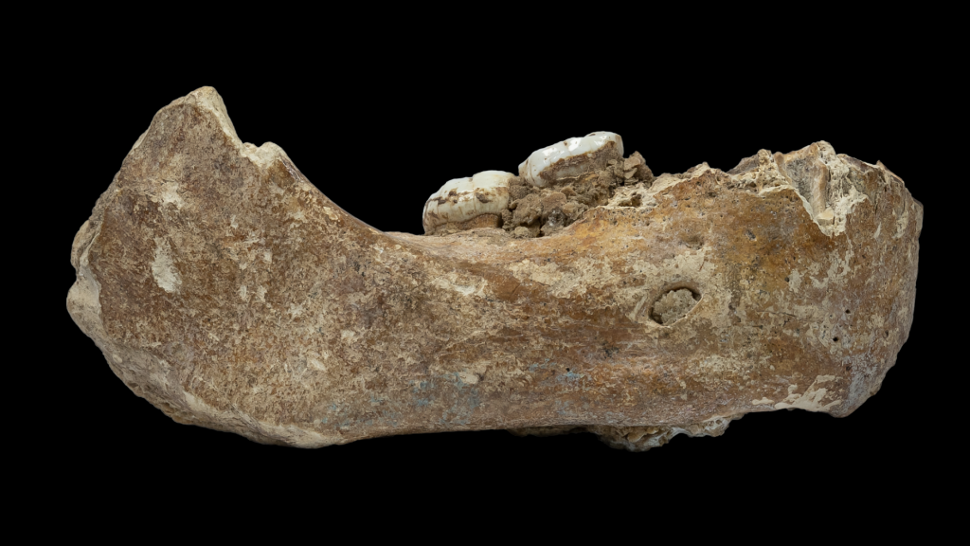
    Image: Jean-Jacques Hublin, MPI-EVA, Leipzig
    A photo of the Xiahe mandible.

    This population seems to have occupied the Tibetan Plateau in the Middle Pleistocene and was adapted to this low-oxygen environment long before Homo sapiens arrived in the region.

    The Denisovans are considered a sister group to Neanderthals (H. neanderthalensis), both are thought to have evolved from a shared ancestral human species.

    This new Denisovan finding on the high plateau 4,500 meters (15,800 feet) and the recent discovery of a petite human species in the Southeast Asian islands, shows human evolution was far more complicated than we thought.

    The sequencing of the genome of Denisovans revealed them to be close cousins to Neanderthals: the two species are both known to have lived in the environs of the Denisova cave, and even interbred.

    “We have H. erectus – that was around probably 2 million years ago – groups of hominin Denisovans… then our species. Each time there was a little bit of admixture and replacement,”

    – Palaeoanthropologist Jean-Jacques Hublin from the Max Planck Institute for Evolutionary Anthropology in Germany explains in a press briefing on the findings.

    The fossil jawbone was originally discovered in 1980 by a local monk who donated it to the 6th Gung-Thang Living Buddha who then passed it on to Lanzhou University. Researchers Fahu Chen and Dongju Zhang from Lanzhou University have been studying the area of the discovery and the cave site from where the mandible originated, since 2010.
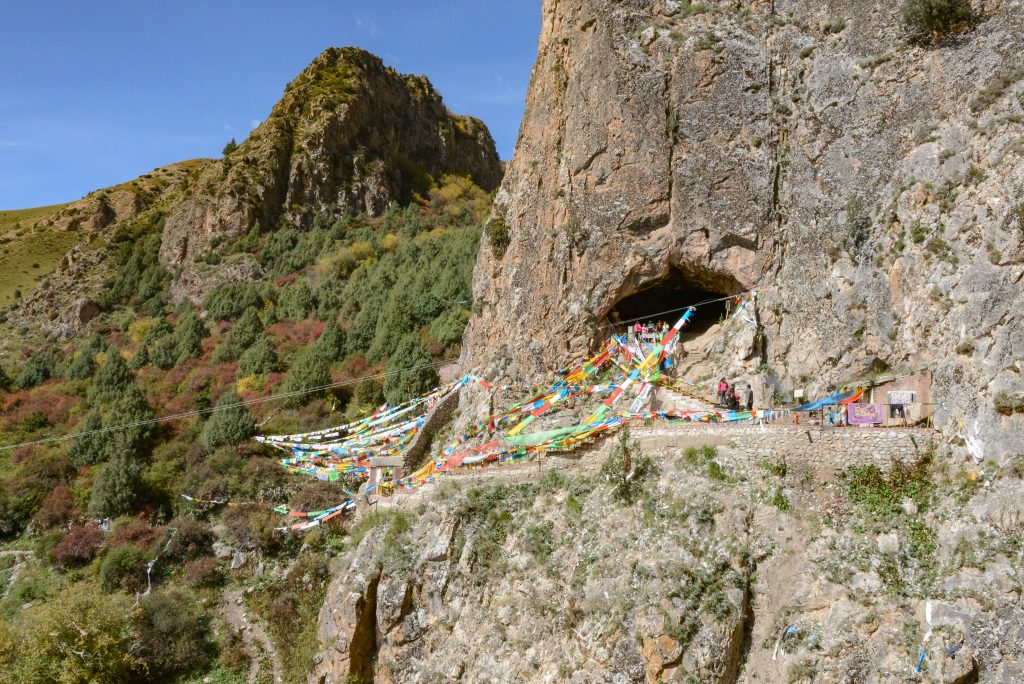
    Image: Dongju Zhang, Lanzhou University
    The entrance to Baishiya Karst Cave, with Buddhist ornamentation.

    Little remains have been divorced and most of what we know about Denisovans so far has come from DNA, sequenced in 2010 from the bones in the Altai Mountain cave. The DNA revealed an interesting gene variant, or mutation, called EPAS1, which has been linked to the Himalayan people’s ability to withstand hypoxia, the low-oxygen conditions found at high altitudes – inherited from the ancient hominin.

    Jean-Jacques Hublin explained that living in such challenging, high-altitude environments was thought to have been achieved only by modern humans like us, around 40,000 years ago.

    “Until today, nobody ever imagined that archaic humans were able to dwell in such an environment,”

    “Denisovan-related populations probably lived for a long time in the Tibetan Plateau, and for this reason, such a mutation became fixed in these fossil hominins and later passed on to modern invaders,”

    – Hublin said.

    Radioisotope dating of the newfound jaw placed it at around 160,000 years old. In contrast, the oldest evidence of H. sapien at these extreme altitudes had been dated to around 30,000 to 40,000 years ago.

    “Archaic hominins occupied the Tibetan Plateau in the Middle Pleistocene and successfully adapted to high-altitude low-oxygen environments long before the regional arrival of modern Homo sapiens,”

    – Archaeologist Dongju Zhang from Lanzhou University in China.

    Scientists have found genetic overlap between the Denisovan genome and that of some present-day East Asians, and, in particular, a group of Pacific Islanders living in Papua New Guinea, known as the Melanesians. It appears the Denisovans contributed between 3 to 5 percent of their genetic material to the genomes of Melanesians.

    The new study has been publsiehd in the scientific journal Nature.

    Reference:

    Fahu Chen et al. A late Middle Pleistocene Denisovan mandible from the Tibetan Plateau doi: 10.1038/d41586-019-01310-7

    Denisovan Denisovan Hominin
    Share. Facebook Twitter Pinterest LinkedIn Tumblr Email Copy Link

    Related Posts

    Northern Europeans’ Genetic Pre-Historic is Repeated Genocide

    February 6, 2024

    The teeth of the Neanderthals show how similar they were to us

    November 12, 2020

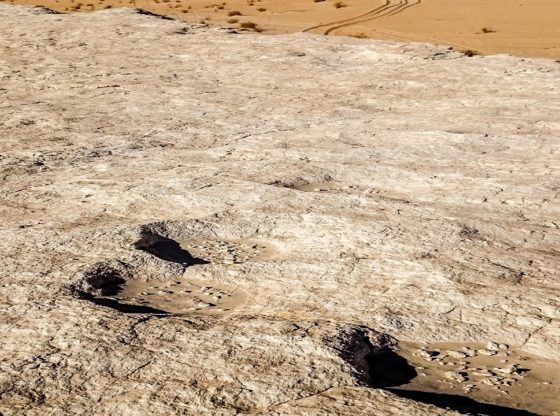
    Sets of 120,000-Year-Old Footprints Belonging to Humans Have Been Discovered in Saudi Arabia

    September 29, 2020

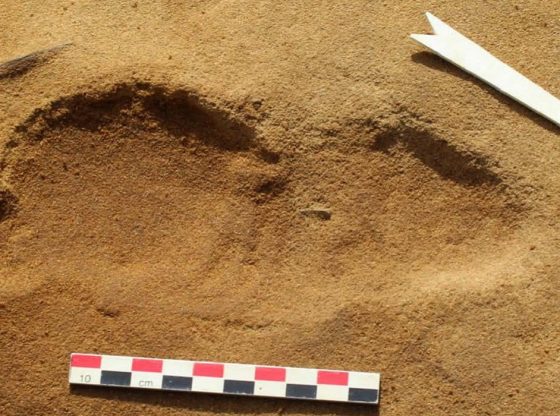
    Ancient Footprints Show Neanderthals May Have Been Taller than Thought

    May 14, 2020

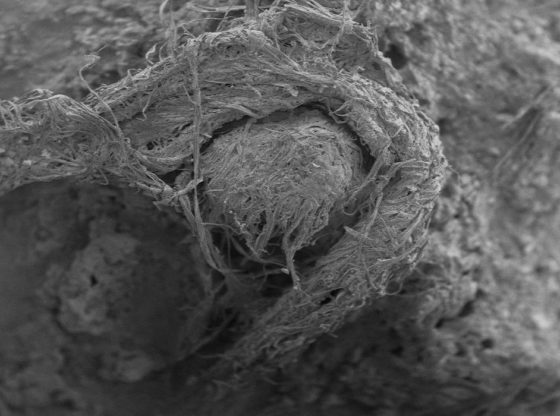
    Fascinating Discovery Suggests Neanderthals Invented String

    April 13, 2020

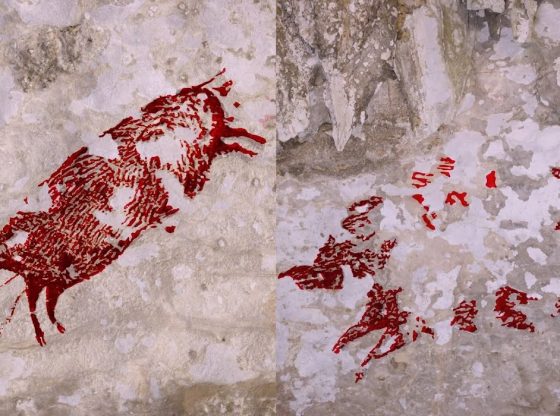
    The Worlds Oldest Cave Art Found in Indonesia

    December 12, 2019
    Recent Posts
    • How the End of Bretton Woods Reshaped Our Economies — and Our Politics
    • Can the U.S. Really Handle 250% Debt-to-GDP? Why Jackson Hole’s Daring Paper Is Wrong
    • Japan’s Fiscal Trap: What Happens If Austerity Is No Longer an Option?
    • The Rise of Range Extended Electric Vehicles (REEVs): A New Era of Hybrid Mobility
    • The Great Capital Rotation: A Shift from U.S. Treasuries to Gold and Real Assets
    • The Hidden Risks of Short-Term Debt: A Balancing Act in U.S. Fiscal Policy
    • The Looming U.S. Debt Spiral: Understanding the Risks
    • The Looming Recession: Seven Economic Indicators Flashing Red for 2025
    • Europa Clipper: NASA’s Mission to Unlock the Secrets of Jupiter’s Icy Moon
    • Could Hedge Funds Cause Chaos in the U.S. Treasury Market? And What About Inflation?
    © 2025 Illustrated Curiosity

    Type above and press Enter to search. Press Esc to cancel.

    This website uses cookies to improve your experience. We'll assume you're ok with this, but you can opt-out if you wish.Accept Reject Read More
    Privacy & Cookies Policy

    Privacy Overview

    This website uses cookies to improve your experience while you navigate through the website. Out of these, the cookies that are categorized as necessary are stored on your browser as they are essential for the working of basic functionalities of the website. We also use third-party cookies that help us analyze and understand how you use this website. These cookies will be stored in your browser only with your consent. You also have the option to opt-out of these cookies. But opting out of some of these cookies may affect your browsing experience.
    Necessary
    Always Enabled
    Necessary cookies are absolutely essential for the website to function properly. This category only includes cookies that ensures basic functionalities and security features of the website. These cookies do not store any personal information.
    Non-necessary
    Any cookies that may not be particularly necessary for the website to function and is used specifically to collect user personal data via analytics, ads, other embedded contents are termed as non-necessary cookies. It is mandatory to procure user consent prior to running these cookies on your website.
    SAVE & ACCEPT