Close Menu
Illustrated Curiosity | Economics, History, Science, Space, Technology, Health, Physics, Earth
    Facebook X (Twitter) Instagram YouTube
    Illustrated Curiosity | Economics, History, Science, Space, Technology, Health, Physics, Earth
    • Earth
    • Economics
    • Environment
      • Environmental Tech
      • Pollution
      • Wildlife
    • Health
      • Health Tech
      • Medicine
      • Nutrition
      • Exercise
    • History
      • Prehistory
      • Ancient History
      • Postclassical Era
      • Modern History
    • Humans
      • Human Brain
      • Psychology
    • Life
      • Animals & Plants
      • Genetics
      • Paleontology
      • Evolution
      • Genetic Engineering
    • Physics
    • Space
      • Astrobiology
      • Astronomy
      • Extrasolar Planets
      • Space Tech
      • Spaceflight
    • Technology
      • Artificial Intelligence
      • Energy
      • Engineering
      • Materials
      • Robotics
      • Vehicles
    Illustrated Curiosity | Economics, History, Science, Space, Technology, Health, Physics, Earth
    Home » Omega-3 Supplementation for Fish Eaters Do Not Prevent Cancer or Heart Disease, Study Says
    Nutrition

    Omega-3 Supplementation for Fish Eaters Do Not Prevent Cancer or Heart Disease, Study Says

    November 22, 20183 Mins Read
    CC0 Creative Commons
    Image: Pixabay
    Share
    Facebook Twitter LinkedIn Pinterest Email

    CC0 Creative Commons

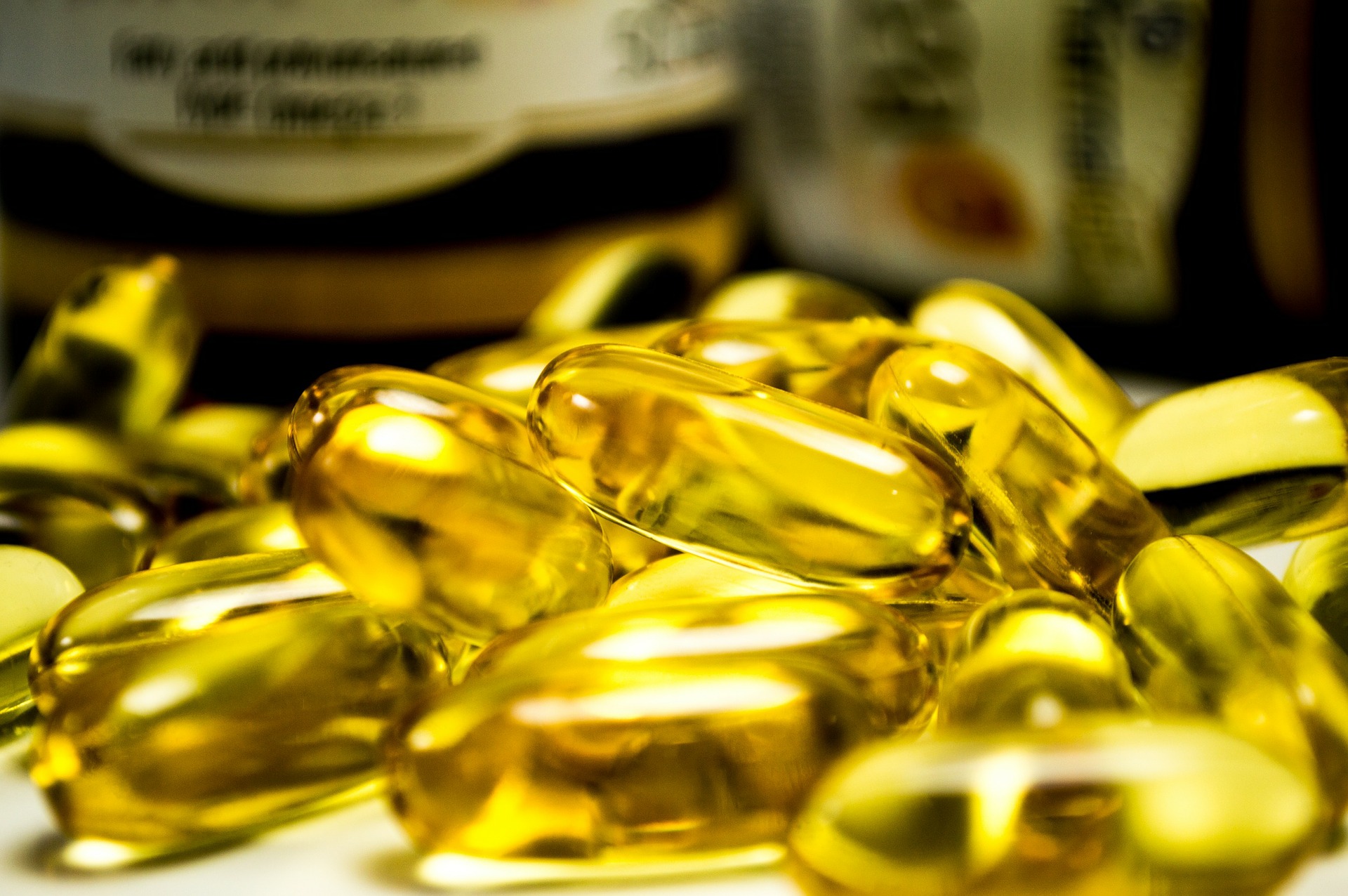
    Omega-3 supplements do not prevent cancer or heart disease, a new study finds, the latest in the years-long debate over their benefits.

    A large and rigorous government-funded randomized trial — the only such study of omega-3 fish oils ever carried out in healthy adults – has found the supplements do not lower cancer rates in healthy adults. Nor do they reduce the rate of major cardiovascular events, a composite of heart attacks, strokes, and deaths from cardiovascular disease.

    The results, published in The New England Journal of Medicine, are being presented Saturday at a conference of the American Heart Association in Chicago.

    The trial enrolled more than 25,000 Americans of various ethnicities who were over the age of 50 and had no history of cancer, heart attack, stroke or other forms of heart disease.

    Participants were randomly assigned a daily dose of vitamin D, omega-3 or a placebo. The researchers also used questionnaires to collect clinical and lifestyle risk factor data at baseline. Additionally, a dietary questionnaire was used to collect data on omega-3 fatty acid consumption in the cohort.

    Supplementation with n−3 fatty acids did not result in a lower incidence of major cardiovascular events or cancer than placebo.

    After more than five years, no significant difference in heart disease or cancer was seen between those taking supplements and those taking a placebo. Major cardiovascular events, including myocardial infarction (MI), stroke, or death from cardiovascular causes, and invasive cancer, comprised the primary endpoints.

    Fewer patients in the omega-3 supplementation group did experience a major cardiovascular event during a median 5.3-year follow-up compared with the placebo group (n=386 vs n=419, respectively; hazard ratio [HR], 0.92; 95% CI, 0.80-1.06; P =.24); however, the difference was not statistically significant.

    Subgroup analyses showed a possible lower incidence of the primary cardiovascular end point with n−3 supplementation than with placebo among participants with low fish consumption

    However, in people who don’t eat the recommended one or two servings of fish a week, the supplements were linked to a 40% reduction in heart attacks. But for people who followed the recommendation, there was no such association.

    While the new study found few potential benefits from omega-3s in terms of cancer or cardiovascular disease, there was also little potential downside at the levels provided in the study. The researchers note that omega-3 supplementation is relatively safe and associated with no serious adverse events or excess risks for bleeding.

    Reference:

    JoAnn E. Manson et al. Marine n−3 Fatty Acids and Prevention of Cardiovascular Disease and Cancer November 10, 2018 DOI: 10.1056/NEJMoa1811403

    Share. Facebook Twitter Pinterest LinkedIn Tumblr Email Copy Link

    Related Posts

    Evaluating Heart Disease: How Cumulative Diet Choices Compound Your Risk

    January 4, 2026

    A Nutritious Drink Tested Against Alzheimer’s

    November 23, 2020

    Peanut Allergy is Traced to the Gut

    April 21, 2020

    Japanese Diet from 1975 Reduces Obesity

    March 16, 2020

    New Study Reveals Global Intake of Major Beverages

    June 17, 2019

    Ultra-Processed Foods Cause Weight Gain, over Eating, According to a New Study

    May 27, 2019
    Recent Posts
    • The Day the Alliance Died
    • Evaluating Heart Disease: How Cumulative Diet Choices Compound Your Risk
    • What Would Happen If China Attacked Taiwan?
    • Geopoliticisation as a Structural Tailwind for Commodity Prices
    • America’s Economic Remodel: Who’s Really Paying the Bill?
    • Why Inflation May Be Preparing for a Second Act
    • How the End of Bretton Woods Reshaped Our Economies — and Our Politics
    • Can the U.S. Really Handle 250% Debt-to-GDP? Why Jackson Hole’s Daring Paper Is Wrong
    • Japan’s Fiscal Trap: What Happens If Austerity Is No Longer an Option?
    • The Rise of Range Extended Electric Vehicles (REEVs): A New Era of Hybrid Mobility
    © 2025 Illustrated Curiosity

    Type above and press Enter to search. Press Esc to cancel.