
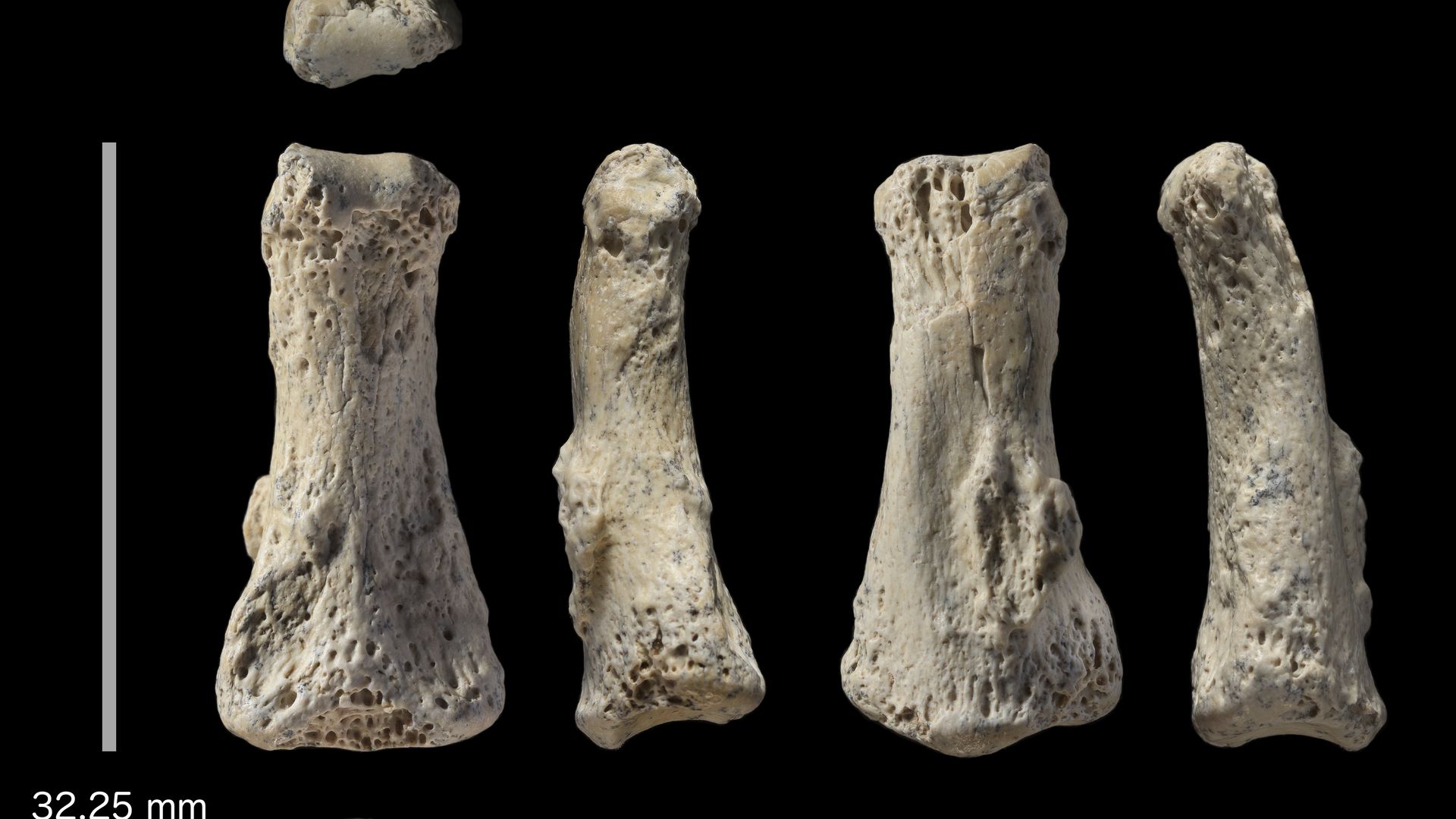
A human finger bone is the oldest fossil from Homo sapiens found outside of Africa and the Levant. The discovery could mean that the human family emigrated from Africa earlier than previously thought and that our species may have taken several different routes.
An archaeological excavation began in the Nafud Desert in northwestern Saudi Arabia in 2014. The archaeologists found signs that the desert has previously been characterized by large lakes of fresh water.
Two years later, they returned to the scene and then made the discovery of a fossilized finger likely to be from an early human. The finger is estimated to be between 85-90,000 years old, which means that it is the oldest human fossil found outside of Africa and the Levant (the countries of the far eastern Mediterranean coast).
“It was a real moment of” Heureka! “
– Michael Petraglia, one of the archaeologists behind the find and the study, published in Nature Ecology and Evolution.
The researchers are quite certain that it is a finger from a homo sapien since the human finger bone is different in comparison to Neanderthals or any other human relatives. But to ensure its genetic origin, the finger has been passed around the world for two years to various experts and researchers, and have undergone a lot of analyzes.
The finger bone was dated using a technique called uranium-series dating, which can be measured to provide a minimum age estimate, and was found to be up to 88,000 years old. The team also dated a hippopotamus tooth, stone tools and sediments, which provided similar date ranges of about 85,000 to 90,000 years.
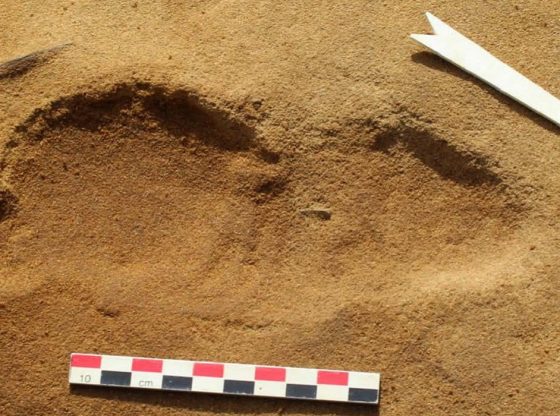
In addition to the finger, researchers also found a large selection of tools and bones from cattle at the excavation site. The findings contribute to a broader understanding of how people emigrated from Africa, a theory called “Out of Africa’s Hypothesis”.
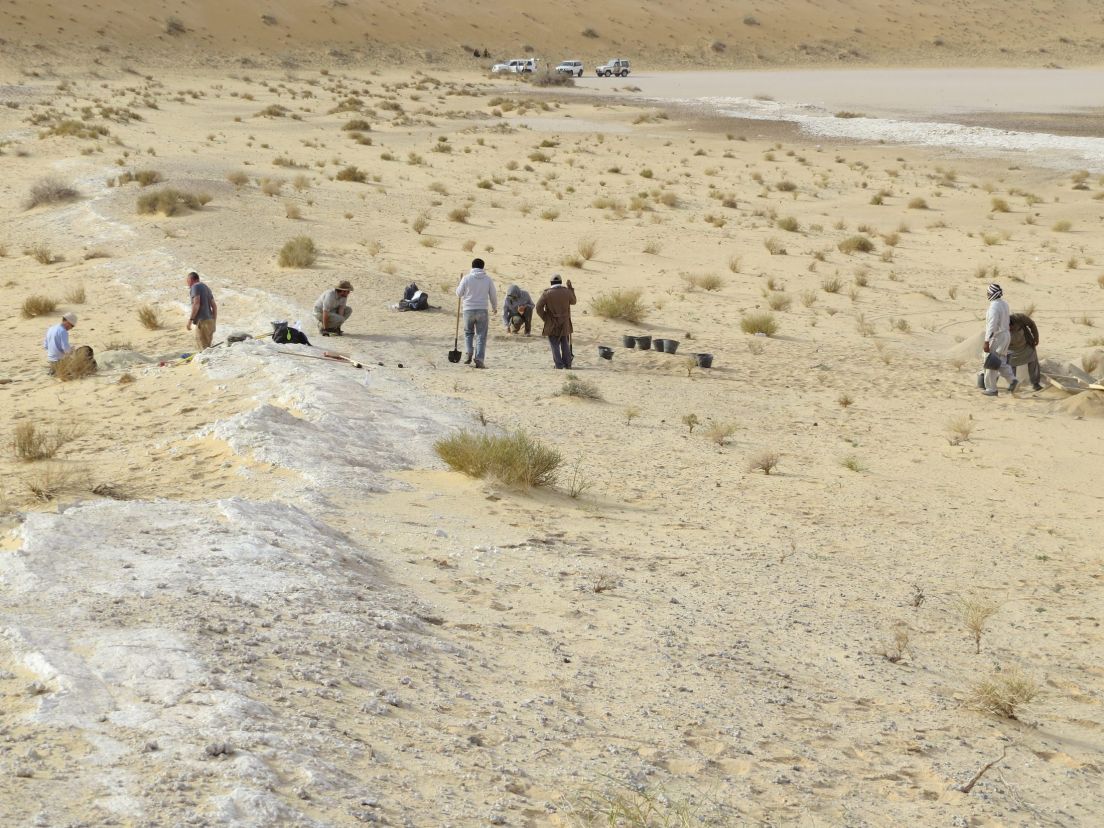
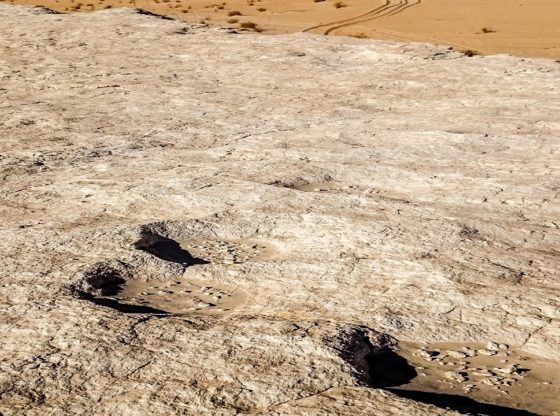
was once a lush grassland awash in lakes and rivers and teeming with wildlife like ostriches, gazelles and hippos. Credit Huw Groucutt
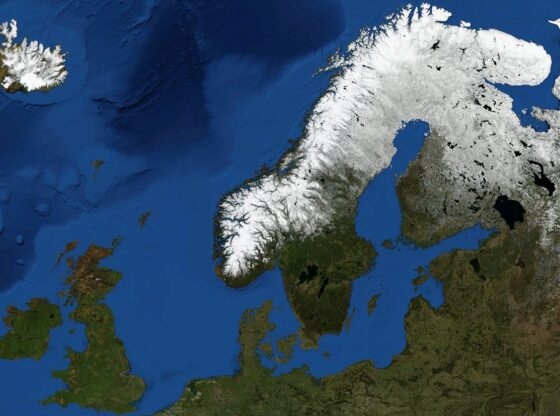
The ‘Out of Africa’s Hypothesis’ is a theory of where modern man originated and how we later emigrated to different corners across the world. Previously, we believed that emigration began between 50 and 60,000 years ago, but today the best estimates are about 80-100,000 years ago.
Michael Petraglia now suggests that humans traveled in smaller groups back and forth on different routes at several times between Africa and the Arabian Peninsula. Thus, the human being did not emigrate in a single big shock via the Levant as we thought before.
“We view the 60,000-year-old exodus as one of many migrations out of Africa – hence the Arabian fossil supports a multiple migrations model out of Africa,”
“The Al Wusta evidence shows that earlier migrations occurred, but that this migration was much more geographically widespread than previously believed.”
– Michael Petraglia
Arabia was at the heart of that dispersal from Africa into Asia. But at the time when this ancient person lived, the Arabian Peninsula was very different from what it is today. Instead of being bone dry with endless red sand, it was a lush grassland awash in lakes and rivers and teeming with wildlife like ostriches, gazelles, and hippos.
Saudi Arabia’s ancient past is largely unexplored because the country has historically closed itself off from foreign researchers. Its role in modern humans’ early migration story has therefore been largely underrepresented.
Further excavations in Saudi Arabia might reveal even more compelling findings that shed light on the origin of our own species.
Reference:
Huw S. Groucutt, Rainer Grün, Michael D. Petraglia Homo sapiens in Arabia by 85,000 years ago Nature Ecology & Evolution (2018) doi:10.1038/s41559-018-0518-2