Close Menu
Illustrated Curiosity
    Facebook X (Twitter) Instagram YouTube
    Illustrated Curiosity
    • Earth
    • Economics
    • Environment
      • Climate
      • Environmental Tech
      • Pollution
      • Wildlife
    • Health
      • Health Tech
      • Medicine
      • Nutrition
      • Exercise
    • History
      • Prehistory
      • Ancient History
      • Postclassical Era
      • Modern History
    • Humans
      • Human Brain
      • Psychology
    • Life
      • Animals & Plants
      • Genetics
      • Paleontology
      • Evolution
      • Genetic Engineering
    • Physics
    • Space
      • Astrobiology
      • Astronomy
      • Extrasolar Planets
      • Space Tech
      • Spaceflight
    • Technology
      • Artificial Intelligence
      • Energy
      • Engineering
      • Materials
      • Robotics
      • Vehicles
    Illustrated Curiosity
    Home » New Research On Mice Shows Vaccine Protection Against Zika Virus
    Medicine

    New Research On Mice Shows Vaccine Protection Against Zika Virus

    July 1, 20164 Mins Read
    Share
    Facebook Twitter LinkedIn Pinterest Email
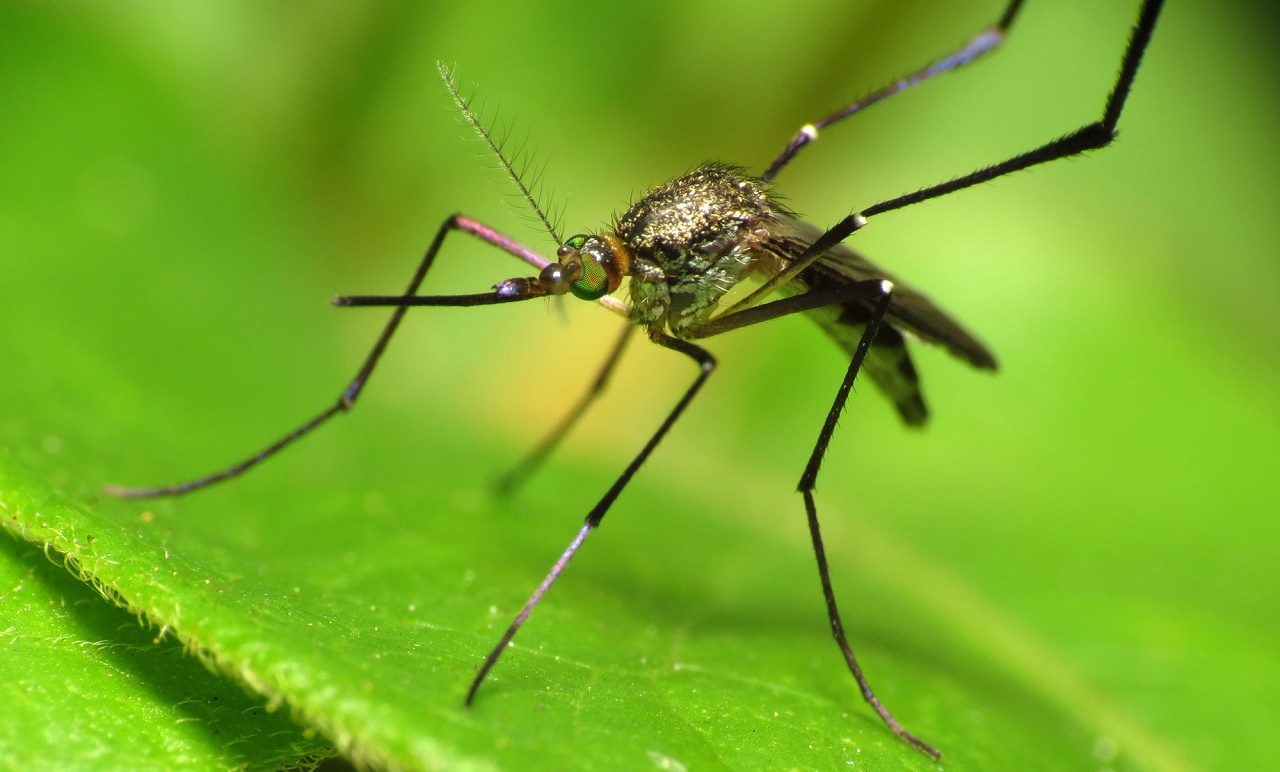
    Psorophora ferox female. Heritage Island, Anacostia River, Washington, DC, USA. 30 June 2012. This particular species does not transmit the Zika virus. Photo credit: Katja Schulz / Flickr
    WHO: Zika virus is a mosquito-borne virus that was first identified in Uganda in 1947 in monkeys. It was later identified in humans in 1952 in Uganda and the United Republic of Tanzania. The first large outbreak of disease caused by Zika infection was reported from the Island of Yap (Federated States of Micronesia) in 2007. In July 2015 Brazil reported an association between Zika virus infection and Guillain-Barré syndrome. In October 2015 Brazil reported an association between Zika virus infection and microcephaly.

    Two different vaccine candidates were given to mice and fully protected them against the Zika virus – after just one syringe.

    Researchers now hope that a vaccine for humans can begin testing soon.

    Two Different Approaches

    The study, published in the journal Nature, shows how researchers tested two different vaccine prototypes on mice to protect them from the dreaded Zika virus.

    The mice received either a so-called DNA vaccine or an inactivated version of the Zika virus.

    The DNA vaccine was made from genetic material taken from Zika virus circulating in the Brazil outbreak.

    The second was a more conventional vaccine, made from whole inactivated Zika virus in Puerto Rico.

    Trial Success

    “We were very surprised and quite impressed that a single shot of either one of these vaccines provided complete protection,” said Dan Barouch, who led the study at Beth Israel Deaconess Medical Center in Boston.

    He called the trial results “step forwards in the development of a Zika virus vaccine”, but said more research lay ahead. “Of course we need to be cautious about extrapolating results from mice to humans,”

    Tests are now underway to further understand how long the vaccines are effective for, and whether boosters can extend the protection they offer.

    The researchers noted that mice were protected since they produced antibodies. Their antibody levels were equivalent to that seen in vaccinations against other viruses of the same family, like dengue or yellow fever.

    However, last week, researchers at Imperial College in London (Wanwisa et al.) showed that previous exposure to dengue virus could actually potentially worsened Zika infections. If the reverse is also true, a vaccine that causes the immune system to produce antibodies against Zika virus could inadvertently make dengue infections more life-threatening.

    The researchers do not yet know how long the protection lasts because the studies only lasted a few months. Nor do they know whether the vaccine affects a previous vaccination or illness, of for example dengue.

    The new findings give hope to begin clinical trials as soon as possible according to the researchers. Exactly how long it will take before there is a finished product on the market is difficult to say since so many things can happen along the way.

    WHO Advise

    The World Health Organisation has declared Zika virus a public health emergency, with the development of a safe and effective vaccine deemed a global health priority. Concerns about the Zika virus are heightened because the Olympics will be held in Rio de Janeiro in August where mosquitoes carrying the virus are found.

    According to the WHO, athletes and visitors are at risk of being infected with Zika if bitten by an infected mosquito or through sexual transmission of the virus. Because of the risk of microcephaly in babies born to women who were infected with Zika virus during pregnancy, the WHO advises pregnant women not to travel to areas where Zika is circulating.

    More on the Zika virus can be found on the WHO and CDC websites.

    _______________
    Vaccine protection against Zika virus from Brazil
    Dengue virus sero-cross-reactivity drives antibody-dependent enhancement of infection with zika virus

    ______________________________
    Vaccine Virus Zika Virus
    Share. Facebook Twitter Pinterest LinkedIn Tumblr Email Copy Link

    Related Posts

    Groundbreaking Breakthrough: A Potential Cure for Cancer Targets Proliferating Cell Nuclear Antigen (PCNA)

    August 3, 2023

    Data Modeling Can Predict How COVID-19 Will Spread in a Big City

    November 13, 2020

    2020 Nobel Prize in Medicine Jointly Awarded to Scientists Who Discovered the Hepatitis C Virus

    October 6, 2020

    Air Pollution May Be a Contributing Factor behind High Death Rates in COVID-19

    June 8, 2020

    Evidence of Stray Dogs as Possible Intermediate Host of COVID-19 Pandemic

    April 28, 2020

    Promising Progress on Urine Tests for Prostate Cancer

    March 23, 2020
    Recent Posts
    • America’s Quiet Shift Into Fiscal Dominance: Why Inflation May Be Preparing for a Second Act
    • How the End of Bretton Woods Reshaped Our Economies — and Our Politics
    • Can the U.S. Really Handle 250% Debt-to-GDP? Why Jackson Hole’s Daring Paper Is Wrong
    • Japan’s Fiscal Trap: What Happens If Austerity Is No Longer an Option?
    • The Rise of Range Extended Electric Vehicles (REEVs): A New Era of Hybrid Mobility
    • The Great Capital Rotation: A Shift from U.S. Treasuries to Gold and Real Assets
    • The Hidden Risks of Short-Term Debt: A Balancing Act in U.S. Fiscal Policy
    • The Looming U.S. Debt Spiral: Understanding the Risks
    • The Looming Recession: Seven Economic Indicators Flashing Red for 2025
    • Europa Clipper: NASA’s Mission to Unlock the Secrets of Jupiter’s Icy Moon
    © 2025 Illustrated Curiosity

    Type above and press Enter to search. Press Esc to cancel.

    This website uses cookies to improve your experience. We'll assume you're ok with this, but you can opt-out if you wish.Accept Reject Read More
    Privacy & Cookies Policy

    Privacy Overview

    This website uses cookies to improve your experience while you navigate through the website. Out of these, the cookies that are categorized as necessary are stored on your browser as they are essential for the working of basic functionalities of the website. We also use third-party cookies that help us analyze and understand how you use this website. These cookies will be stored in your browser only with your consent. You also have the option to opt-out of these cookies. But opting out of some of these cookies may affect your browsing experience.
    Necessary
    Always Enabled
    Necessary cookies are absolutely essential for the website to function properly. This category only includes cookies that ensures basic functionalities and security features of the website. These cookies do not store any personal information.
    Non-necessary
    Any cookies that may not be particularly necessary for the website to function and is used specifically to collect user personal data via analytics, ads, other embedded contents are termed as non-necessary cookies. It is mandatory to procure user consent prior to running these cookies on your website.
    SAVE & ACCEPT