Close Menu
Illustrated Curiosity
    Facebook X (Twitter) Instagram YouTube
    Illustrated Curiosity
    • Earth
    • Economics
    • Environment
      • Climate
      • Environmental Tech
      • Pollution
      • Wildlife
    • Health
      • Health Tech
      • Medicine
      • Nutrition
      • Exercise
    • History
      • Prehistory
      • Ancient History
      • Postclassical Era
      • Modern History
    • Humans
      • Human Brain
      • Psychology
    • Life
      • Animals & Plants
      • Genetics
      • Paleontology
      • Evolution
      • Genetic Engineering
    • Physics
    • Space
      • Astrobiology
      • Astronomy
      • Extrasolar Planets
      • Space Tech
      • Spaceflight
    • Technology
      • Artificial Intelligence
      • Energy
      • Engineering
      • Materials
      • Robotics
      • Vehicles
    Illustrated Curiosity
    Home » Does Lignans Help Prevent Prostate Cancer?
    Nutrition

    Does Lignans Help Prevent Prostate Cancer?

    June 22, 2012No Comments2 Mins Read
    Share
    Facebook Twitter LinkedIn Pinterest Email
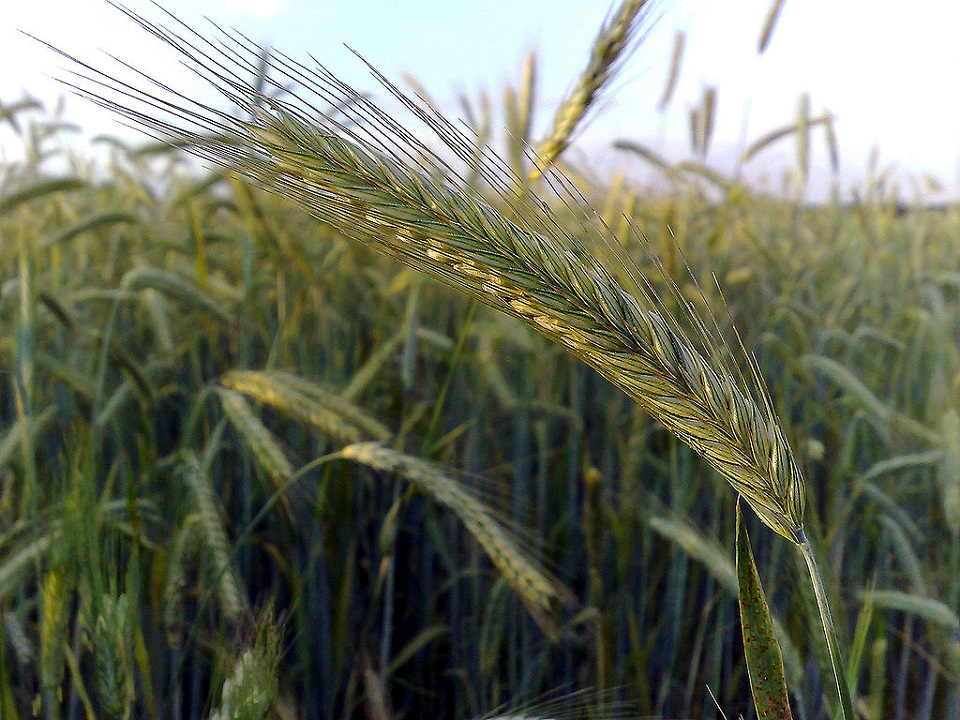
    Rye. Credit: LSDSL

    A diet rich in natural plant hormones has previously been shown to have protective effects against some cancer forms. As people in China and Japan generally eat far more food rich in these protective substances, compared to the western world, they also have a much lower risk for some cancer forms than the western world. But is it really the plant hormones that is to be given credit?

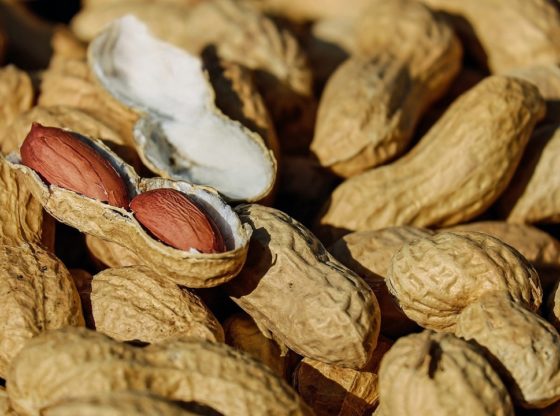
    The study Nutritional aspects of primary prostate cancer prevention. indicates that a diet rich in beans, soybeans, flaxseed, sunflower seeds, berries, and peanuts is correlated with a significantly lower risk of prostate cancer.

    Lignans and isoflavonoids are both plant hormones similar to human estrogen and are found in all the above food items. Foods that are particularly rich in lignans include flaxseed and rye, while soy and other beans contain a lot of isoflavones.

    Abstract
    OBJECTIVE:
    Based on evidence that phytoestrogens may protect against prostate cancer, we evaluated the associations between serum enterolactone concentration or dietary phytoestrogen intake and risk of prostate cancer.
    METHODS:
    In our Swedish population-based case-control study, questionnaire data were available for 1,499 prostate cancer cases and 1,130 controls, with serum enterolactone levels in a sub-group of 209 cases and 214 controls. Unconditional logistic regression was performed to estimate multivariate odds ratios (ORs) and 95% confidence intervals (CIs) for associations with risk of prostate cancer.
    RESULTS:
    High intake of food items rich in phytoestrogens was associated with a decreased risk of prostate cancer. The OR comparing the highest to the lowest quartile of intake was 0.74 (95% CI: 0.57-0.95; p-value for trend: 0.01). In contrast, we found no association between dietary intake of total or individual lignans or isoflavonoids and risk of prostate cancer. Intermediate serum levels of enterolactone were associated with a decreased risk of prostate cancer. The ORs comparing increasing quartiles of serum enterolactone concentration to the lowest quartile were, respectively, 0.28 (95% CI: 0.15-0.55), 0.63 (95% CI: 0.35-1.14) and 0.74 (95% CI: 0.41-1.32).
    CONCLUSIONS:
    Our results support the hypothesis that certain foods high in phytoestrogens are associated with a lower risk of prostate cancer.

    ______________________________
    Nutritional aspects of primary prostate cancer prevention.
    _______________

    Cancer Plant Hormones Prostate Cancer
    Share. Facebook Twitter Pinterest LinkedIn Tumblr Email Copy Link

    Related Posts

    Groundbreaking Breakthrough: A Potential Cure for Cancer Targets Proliferating Cell Nuclear Antigen (PCNA)

    August 3, 2023

    A Nutritious Drink Tested Against Alzheimer’s

    November 23, 2020

    Peanut Allergy is Traced to the Gut

    April 21, 2020

    Japanese Diet from 1975 Reduces Obesity

    March 16, 2020

    Newly Discovered T-cell Receptor May Lead to More ‘Universal’ Cancer Therapy, Study Suggests

    February 3, 2020

    New Study Reveals Global Intake of Major Beverages

    June 17, 2019
    Recent Posts
    • How the End of Bretton Woods Reshaped Our Economies — and Our Politics
    • Can the U.S. Really Handle 250% Debt-to-GDP? Why Jackson Hole’s Daring Paper Is Wrong
    • Japan’s Fiscal Trap: What Happens If Austerity Is No Longer an Option?
    • The Rise of Range Extended Electric Vehicles (REEVs): A New Era of Hybrid Mobility
    • The Great Capital Rotation: A Shift from U.S. Treasuries to Gold and Real Assets
    • The Hidden Risks of Short-Term Debt: A Balancing Act in U.S. Fiscal Policy
    • The Looming U.S. Debt Spiral: Understanding the Risks
    • The Looming Recession: Seven Economic Indicators Flashing Red for 2025
    • Europa Clipper: NASA’s Mission to Unlock the Secrets of Jupiter’s Icy Moon
    • Could Hedge Funds Cause Chaos in the U.S. Treasury Market? And What About Inflation?
    © 2025 Illustrated Curiosity

    Type above and press Enter to search. Press Esc to cancel.

    This website uses cookies to improve your experience. We'll assume you're ok with this, but you can opt-out if you wish.Accept Reject Read More
    Privacy & Cookies Policy

    Privacy Overview

    This website uses cookies to improve your experience while you navigate through the website. Out of these, the cookies that are categorized as necessary are stored on your browser as they are essential for the working of basic functionalities of the website. We also use third-party cookies that help us analyze and understand how you use this website. These cookies will be stored in your browser only with your consent. You also have the option to opt-out of these cookies. But opting out of some of these cookies may affect your browsing experience.
    Necessary
    Always Enabled
    Necessary cookies are absolutely essential for the website to function properly. This category only includes cookies that ensures basic functionalities and security features of the website. These cookies do not store any personal information.
    Non-necessary
    Any cookies that may not be particularly necessary for the website to function and is used specifically to collect user personal data via analytics, ads, other embedded contents are termed as non-necessary cookies. It is mandatory to procure user consent prior to running these cookies on your website.
    SAVE & ACCEPT