
Long before modern man came to Europe, our cousins were in full swing decorating the continent’s caves.
New dating of cave paintings in Spain turns an old discussion on its head. The major controversy has been about some particular old cave paintings across Europe and whether they were made by Homo Sapiens or Homo Neanderthalensis.
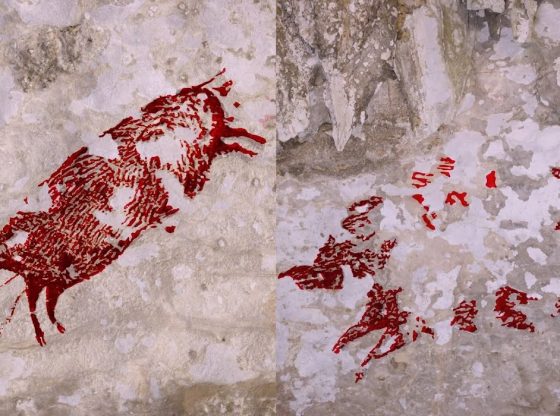
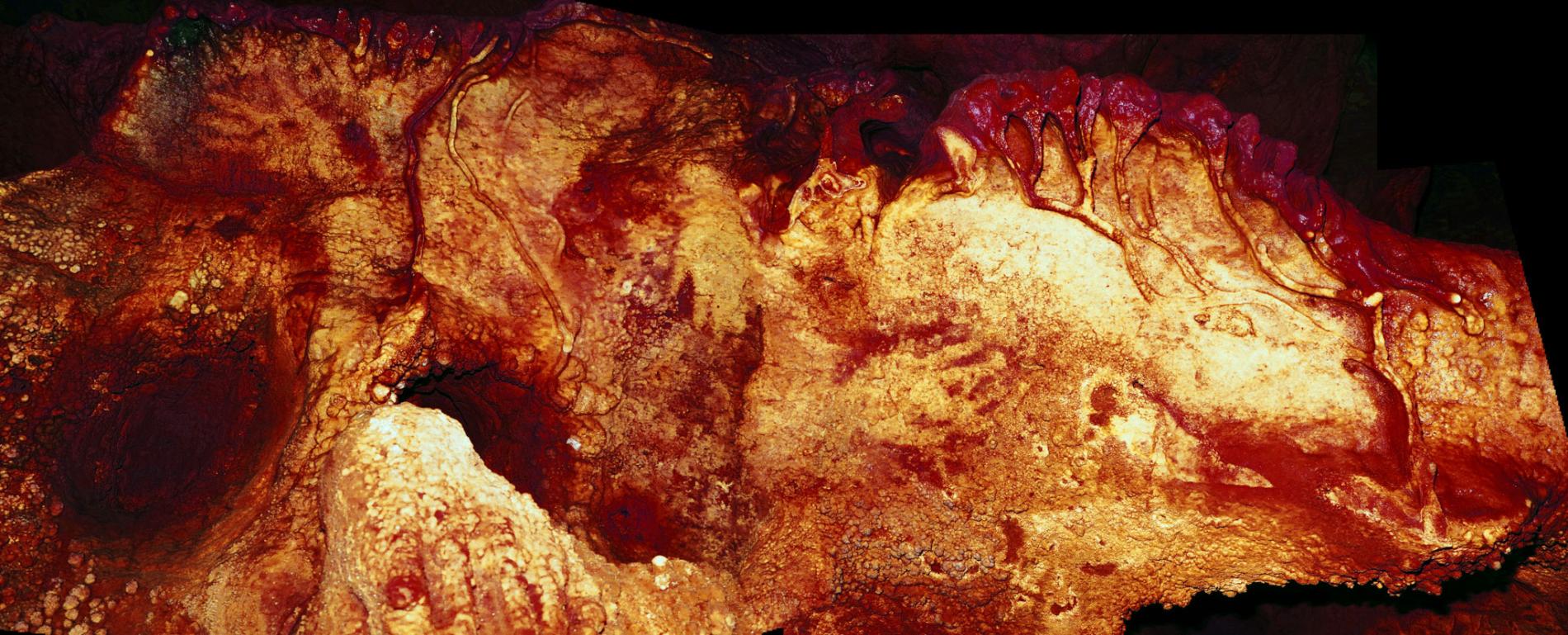
A team of archaeologists have dated cave paintings in three different caves in Spain and found them to be at least 64,800 years old. They were thus made at least 20,000 years before the modern man migrated into Europe.
The two new studies have been published in Science and Science Advances. The researchers lay out the case that these works of art predate the arrival of modern Homo sapiens to Europe, which means someone else must have created them.
Cave paintings rarely contain organic matter and therefore difficult to date with the carbon-14 method. The researchers, therefore, used a completely new method and investigated small deposits of mineral calcareous as leading water has left a thin gap across the paintings.
The dating was done by analyzing calcite that contains small amounts of uranium that slowly decomposes into thorium. By measuring the thorium content in the calcite, the researchers could count backward and reveal the surprising accurate dating of the paintings.
The team of researchers from the UK, Germany, Spain, and France analyzed more than 60 carbonate samples from three cave sites in Spain – La Pasiega (north-eastern Spain), Maltravieso (western Spain) and Ardales (south-western Spain).
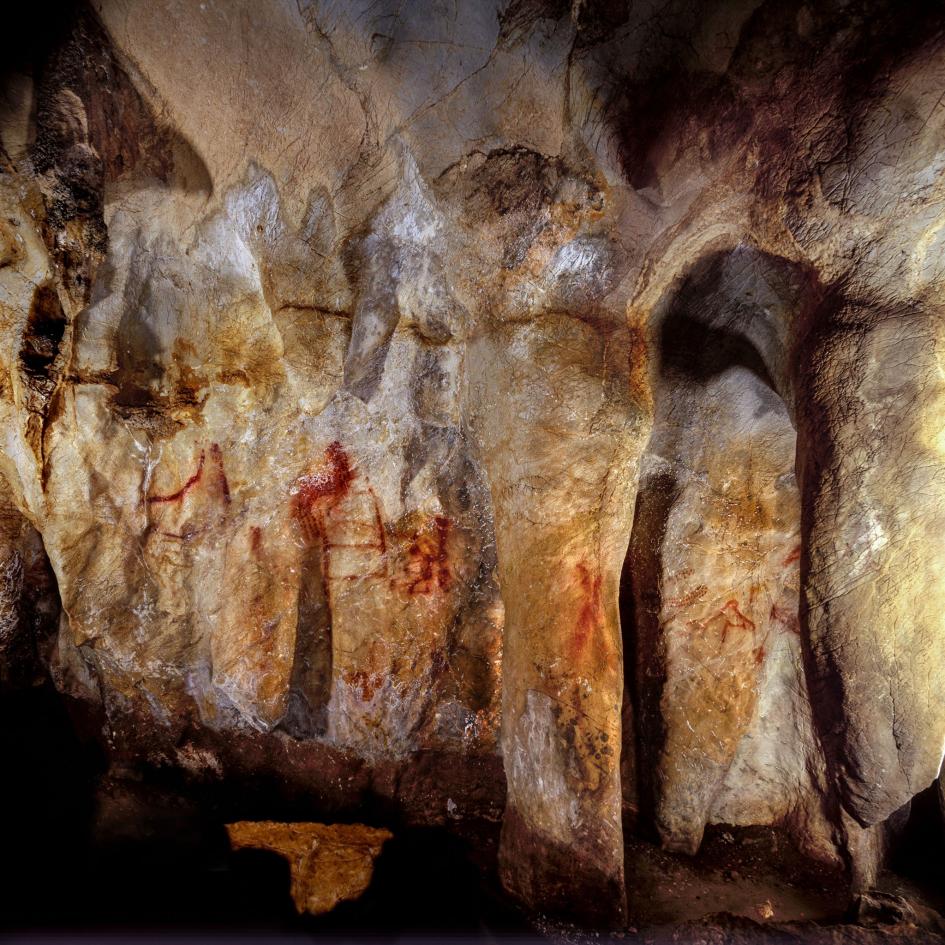
In three caves scattered across Spain, researchers found more than a dozen examples of wall paintings that are more than 65,000 years old. At Cueva de los Aviones, a cave in southeastern Spain, researchers also found perforated seashell beads and pigments that are at least 115,000 years old.
Although the Spanish cave paintings are not as detailed as newer paintings, they do demonstrate that our cousins could think abstract and express themselves artistically. So far, most researchers have considered that these characteristics are unique to modern humans.
“Our results show that the paintings we dated are, by far, the oldest known cave art in the world, and were created at least 20,000 years before modern humans arrived in Europe from Africa – therefore they must have been painted by Neanderthals.”
The authors argue that, despite their oafish reputations in pop culture, Neanderthals were the cognitive equals of Homo sapiens. If their results hold, the finds imply that the smarts underpinning symbolic art may date back to the common ancestor of Homo sapiens and Neanderthals, some 500,000 years ago.
Reference:
D. L. Hoffmann et al. U-Th dating of carbonate crusts reveals Neandertal origin of Iberian cave art DOI: 10.1126/science.aap7778
Dirk L. Hoffmann et al. Symbolic use of marine shells and mineral pigments by Iberian Neandertals 115,000 years ago DOI: 10.1126/sciadv.aar5255