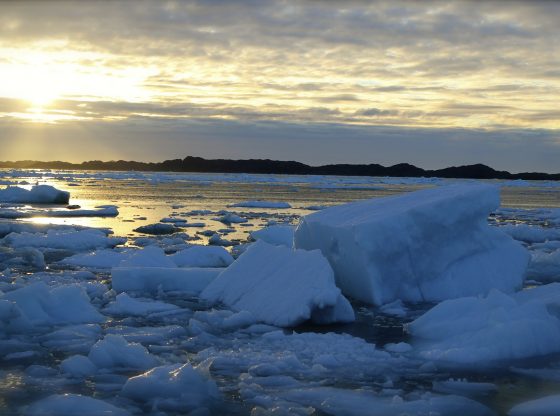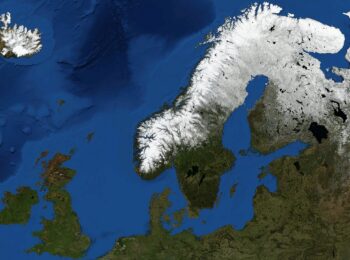

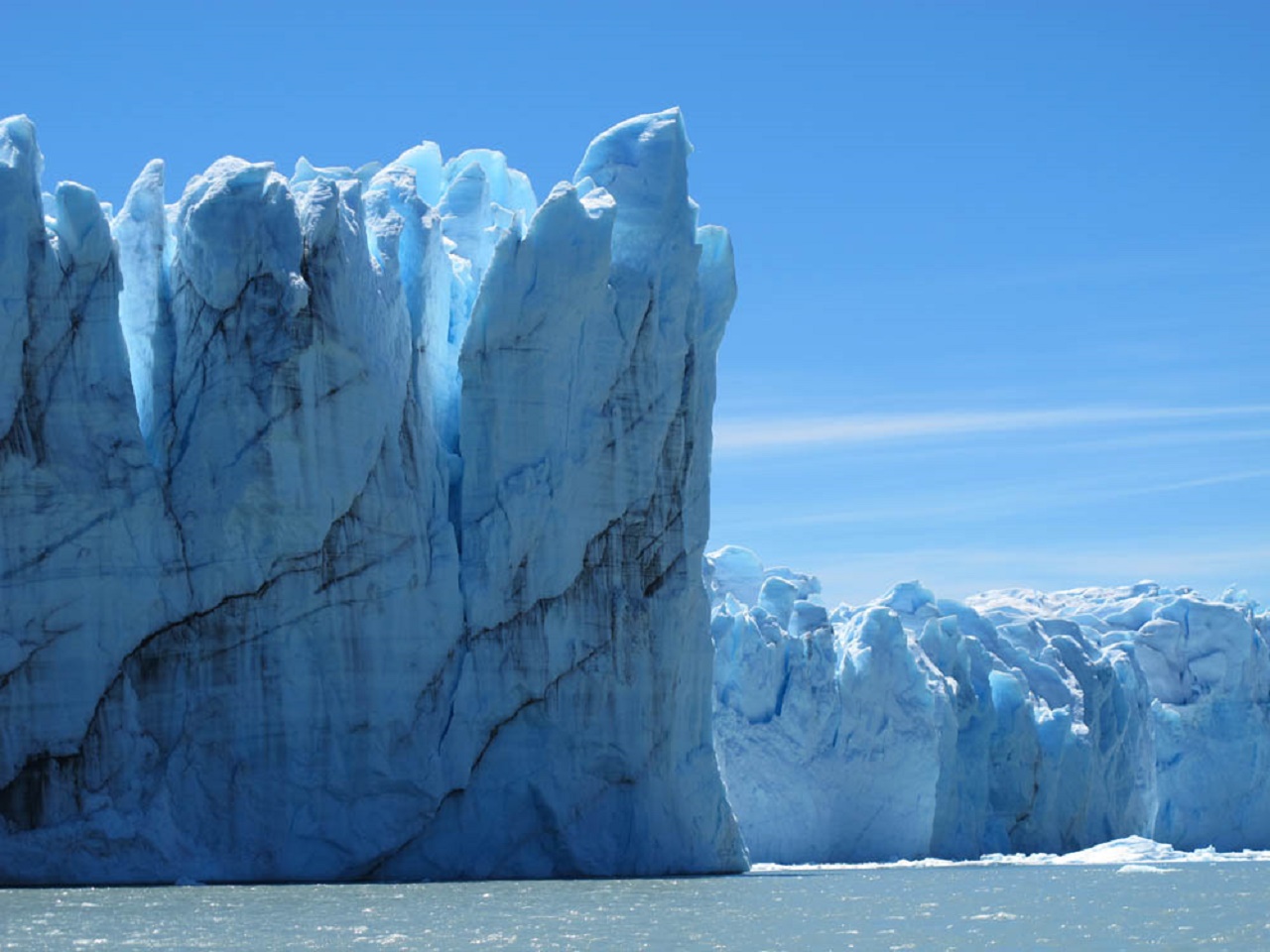
The world greenhouse gas emissions could result in an increase of sea levels by 25 to 50 meters. This according to a new study on long-term climate change impacts.
The new comprehensive study was done by an international team of American and European climate researchers and now published in the scientific journal Nature Climate Change.
A Redrawing of World Geography
The results are striking. Even if the world does take action to limit global warming to 2 degrees – a goal often mentioned – the oceans would eventually rise by an average of 25 meters. If nothing is done to mitigate the effects of global warming, the mean temperature would rise 7 degrees and the oceans would rise 50 meters.
A 25-meter sea level rise would redraw the geography of the world and affect billions of peoples in numerous megacities and other densely populated areas, including New York, Tokyo, Cairo, Shanghai, and Calcutta. Lowland areas like Bangladesh, Florida and large parts of the U.S East Coast would be swallowed by the rising seas.
Far Future
The sea level figures in the study are significantly higher than those often quoted. The natural explanation for this is the study’s long-term perspective. Most studies noted by the UN panel on climate change, the IPCC, has focused on the impacts of climate change by the year 2100 or the effects during the coming centuries. This study goes far beyond to examine the effects of climate change several thousands of years into the future.
“Sea-level rise is a process that takes time. It’s like water-heating in an oven. It takes time before it starts to boil. But then, it continues to cook as long as the heat is on. Carbon dioxide released into the atmosphere remains there for tens of thousands or hundreds of thousands of years. And the heat and the higher sea levels will persist”, said lead author Peter Clark, Professor of Earth, Ocean, and Atmospheric Sciences at the Oregon State University.
Antarctic Ice Sheet
According to the study, rising sea levels occur at a rate of a meter, and up to 3-4 meters per century, depending on how much carbon dioxide released into the atmosphere.
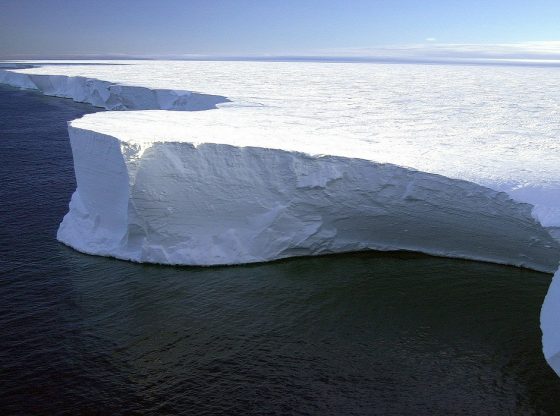
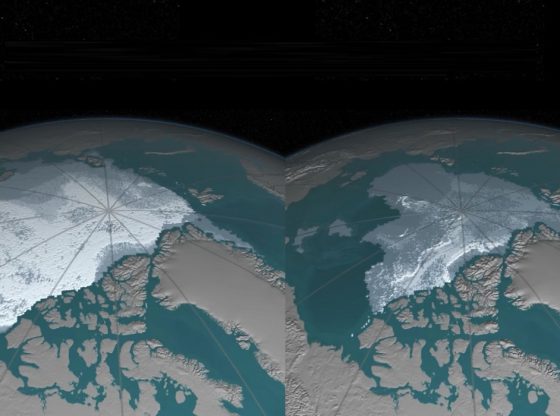
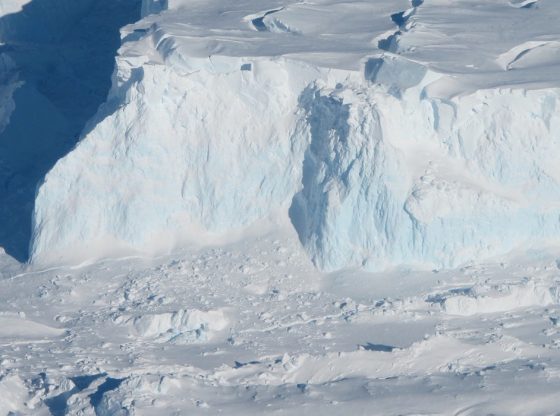
The main cause of rising sea levels is the melting of ice sheets in Greenland and Antarctica, especially Antarctica. This involves processes that are extremely difficult to stop once the carbon dioxide is released into the atmosphere.
“Much of the carbon dioxide that we dump into the atmosphere by burning fossil fuels will remain there for thousands of years, some hundred thousand years. We must understand that the consequences of climate change will not go away, at least not for those nearest thousand generations”, said Peter Clark.
Missing Perspective
“Our point is that a short-term perspective does not capture the total effects of releasing billions of tons of carbon dioxide into the atmosphere. Most studies look at changes for the past 150 years and makes projections few hundred years. We have looked 20,000 years back, over the last ice age, and worked with models ranging 10,000 years into the future” says Shaun Marcott, a professor of geosciences at the University of Wisconsin-Madison and another study author.
The researchers urge a political discussion of this perspective on the really long-term consequences of today’s greenhouse gas emissions.
“In hundreds of years from now, people will look back and say, ‘Yeah, the sea level is rising; it will continue to rise; we live with a constant rise in sea level because of these people 200 years ago that used coal, and oil and gas,’ ” said Anders Levermann, a sea-level rise expert at the Potsdam Institute for Climate Impact Research and one of the paper’s authors. “If you just look at this, it’s stunning that we can make such a long-lasting impact that has the same magnitude as the ice ages.”
Drastic Measures are Required
The researchers stress that a lot will be decided in the near future. During the climate summit in Paris in December, world’s politicians agreed to limit global warming to “well below 2 degrees,” with a goal to strive towards a maximum of 1.5 degrees. But the concrete pledges on emissions reductions so far presented would at best dampen the warming to 3 degrees.
3 and 2 degrees of warming would according to the new study lead to 35 and 25 meters of rising in sea levels. If the world would succeed to keep global warming below 1.5 degrees, it would imply a rise of the world’s oceans with 10 meters. But this requires drastic measures. Emissions from fossil fuels have to cease altogether – or large amounts of carbon dioxide in the atmosphere would have to be sucked away from the atmosphere.
______________
Consequences of twenty-first-century policy for multi-millennial climate and sea-level change
____________________________