Close Menu
Illustrated Curiosity
    Facebook X (Twitter) Instagram YouTube
    Illustrated Curiosity
    • Earth
    • Economics
    • Environment
      • Climate
      • Environmental Tech
      • Pollution
      • Wildlife
    • Health
      • Health Tech
      • Medicine
      • Nutrition
      • Exercise
    • History
      • Prehistory
      • Ancient History
      • Postclassical Era
      • Modern History
    • Humans
      • Human Brain
      • Psychology
    • Life
      • Animals & Plants
      • Genetics
      • Paleontology
      • Evolution
      • Genetic Engineering
    • Physics
    • Space
      • Astrobiology
      • Astronomy
      • Extrasolar Planets
      • Space Tech
      • Spaceflight
    • Technology
      • Artificial Intelligence
      • Energy
      • Engineering
      • Materials
      • Robotics
      • Vehicles
    Illustrated Curiosity
    Home » How Long Does it take for Garbage to Decompose When Left Alone in Nature?
    Pollution

    How Long Does it take for Garbage to Decompose When Left Alone in Nature?

    June 19, 2016No Comments5 Mins Read
    Share
    Facebook Twitter LinkedIn Pinterest Email

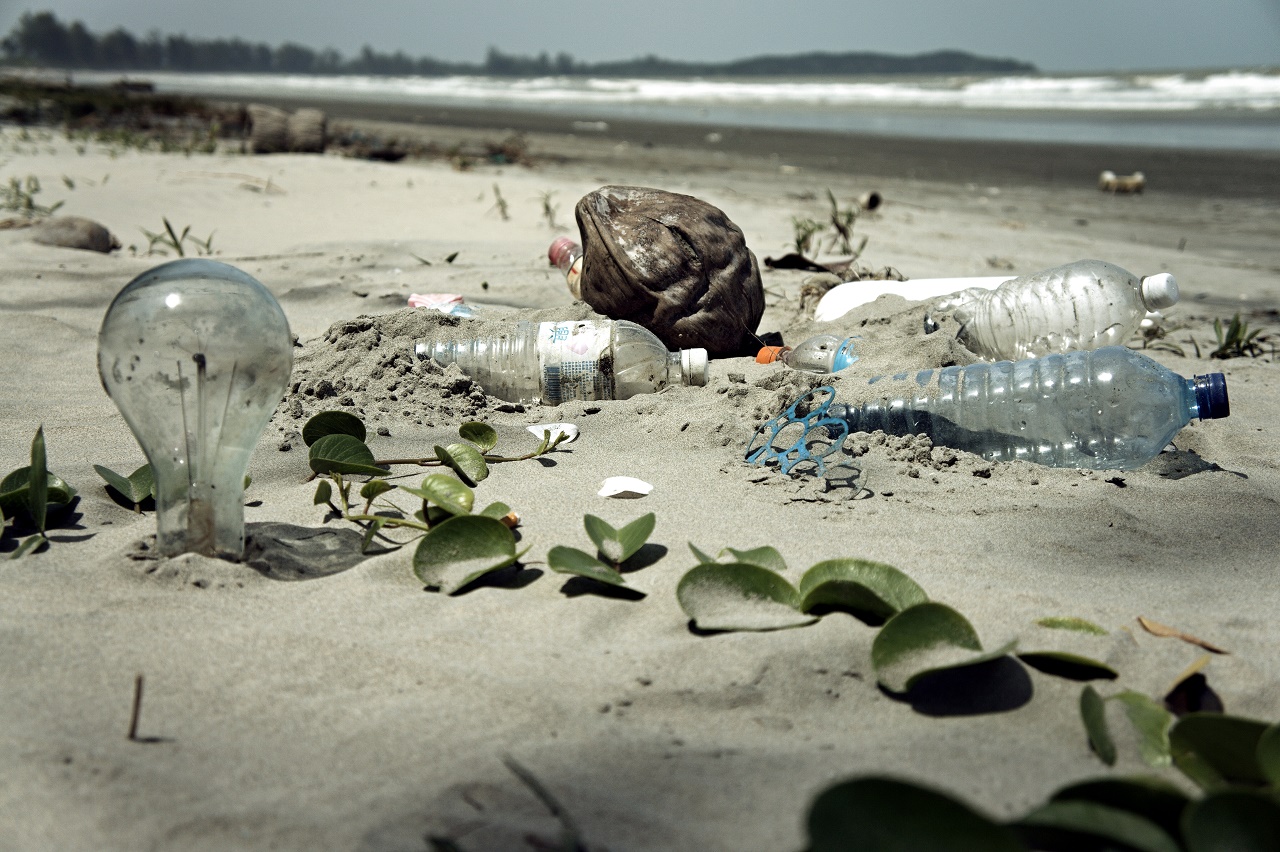
    Photo credit: epSos.de / Flickr

    How long does it really take for different things to decompose and break down when left alone in nature?

    Decomposing is faster in the warmer temperate zones of Earth and naturally slower in the colder regions where insects, microbes, and bacteria are less active.

    In this scenario, you went on a picnic with your friends somewhere in the middle of the U.S far from any civilization during summertime and accidentally left some of what you brought with you out in nature. You now return to the site a couple of years later – what is left for you to find from your previous visit?
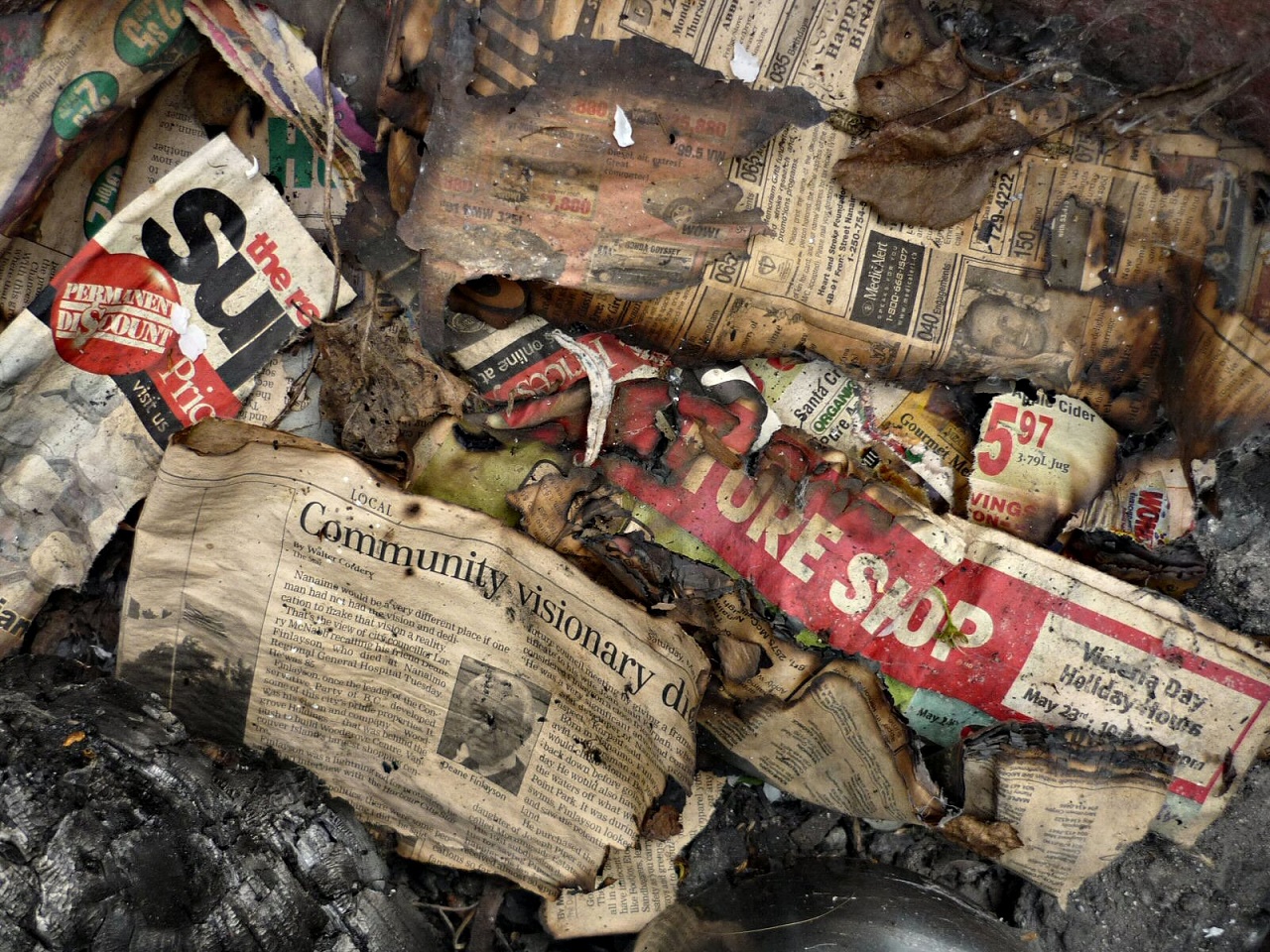
    Photo Credit: Runran / FLickr
    Newspapers take about a month to decompose.

    Vegetation and the materials of nature will probably cover the stuff under layers of biological material over time. But if you were to dig a little, you would probably be amazed of what would remain intact many years after your first visit.

    About a month

    Kitchen roll, toilet paper, paper bags, newspapers, and handkerchiefs take about a month to break down. But the kitchen roll takes a longer time to break down if it is buried deeper down in the earth.
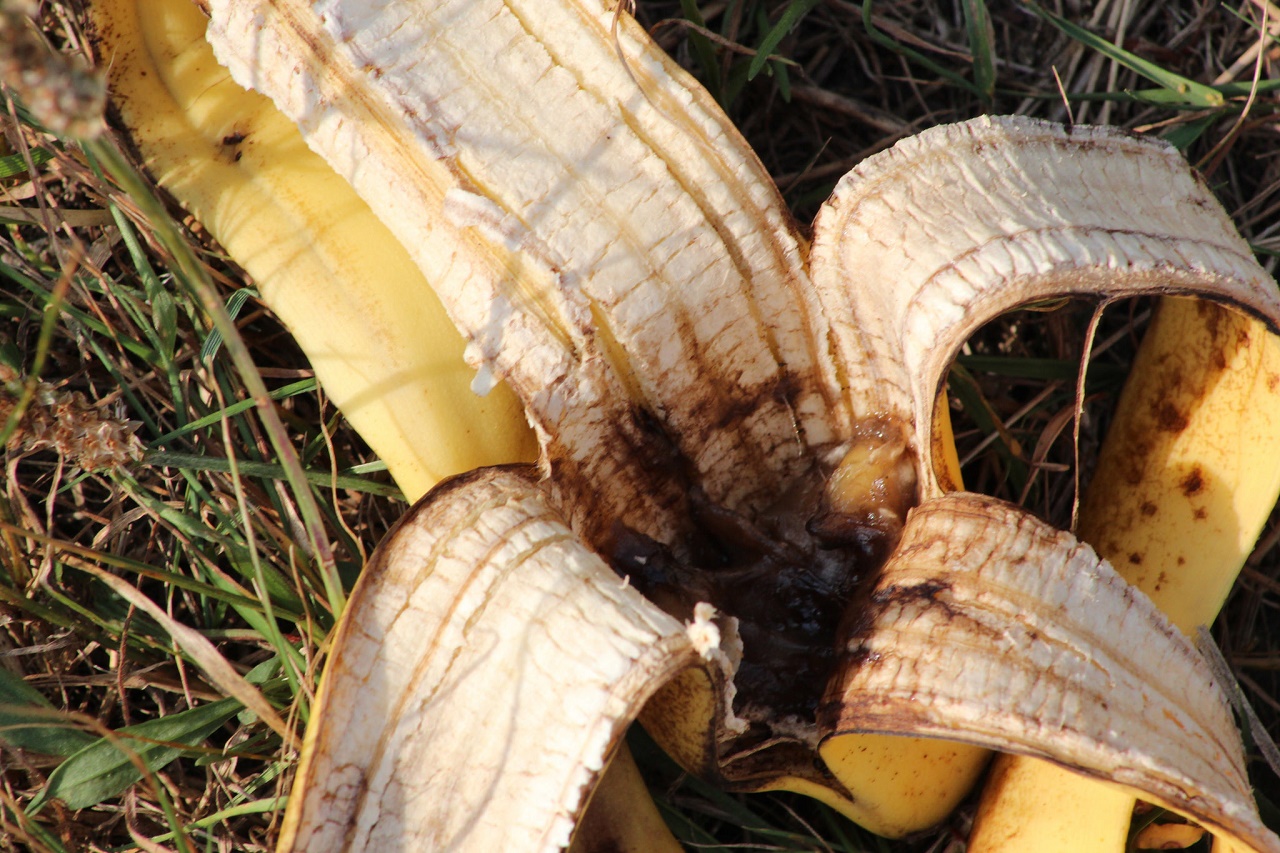
    Photo credit: kleuske
    Banana peel is gone in 6 weeks.

    Six weeks

    Magazines, wax paper and banana peel. The outer layer of bananas is evolutionary created to protect the fruit inside and therefore consists of strong cellulose which is also found in cellophane.

    2-3 months

    Milk and juice cartons are treated with wax which slows down the breakdown time, depending on how thick the box is, it takes approximately 2-3 months to break them down. An apple core also takes about 2-3 months.

    Photo credit: User toxicbutts @ Flickr
    The three cigarette butts will disappear within 2 years if left alone.

    Two years

    Orange peel, plywood and cigarette butts. Cigarettes contain more than 600 ingredients – including cellulose acetate, which is a kind of plastic found in 95 percent of all cigarette filters and breaks down slowly.

    50 year

    Exposure to the wind and weather breaks down these materials slowly. Tin cans, car tires, and leather has a degradation time of about 50 years.

    75-80 years
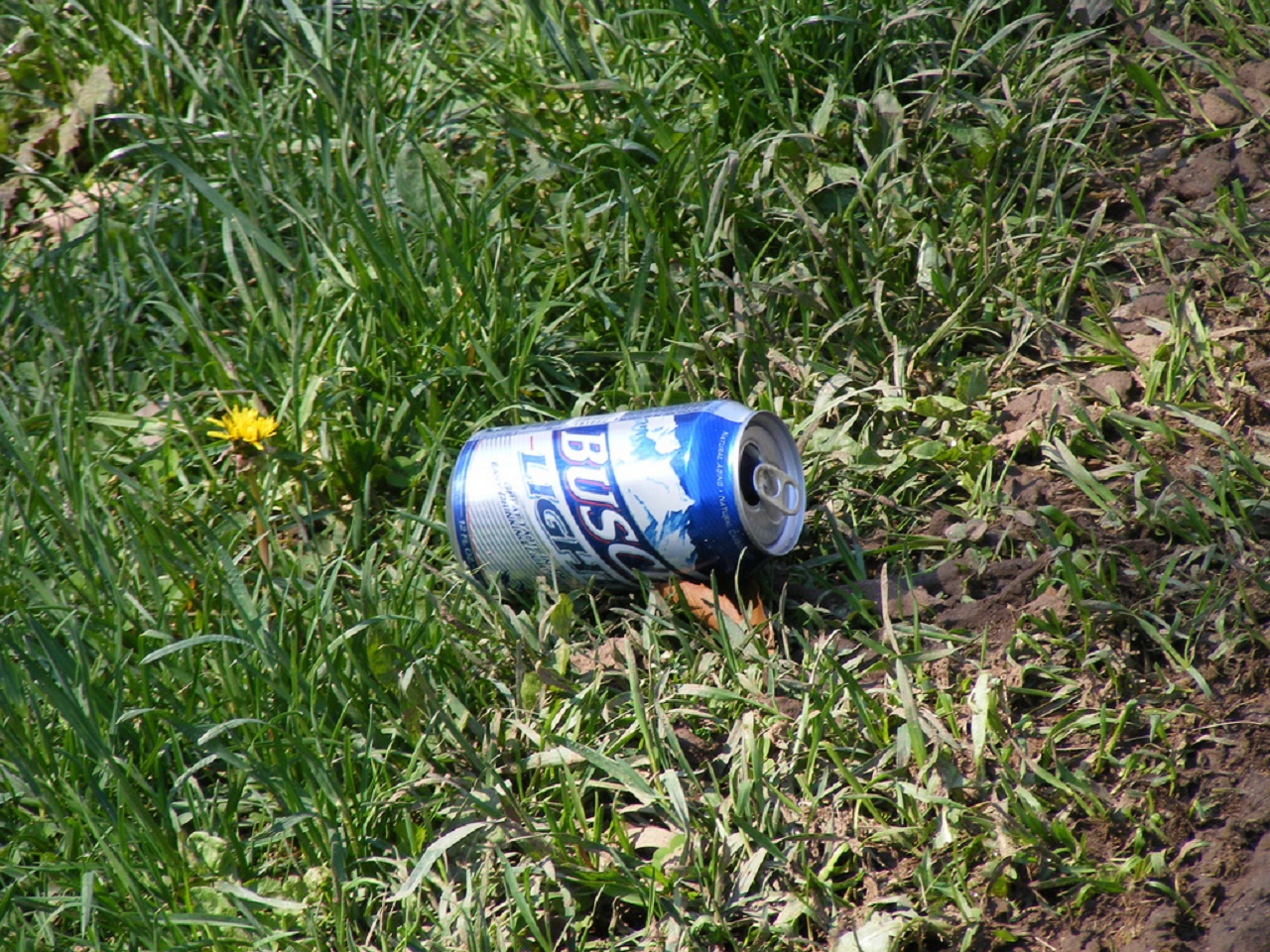
    Photo credit: MyNameMattersNot / Flickr
    An empty aluminum can take about 200 years to breakdown.

    Crisp bags may look thin and fragile out but even so, it takes about 75-80 years for nature to slowly destroy their metallic film.

    200 years

    Empty cans of aluminum are important to recycle since they are so notoriously difficult to break down. But also because one recycled tin can save enough energy to power a television for 3 hours and 70% less energy is required to recycle paper compared with making it from raw materials.

    500 years
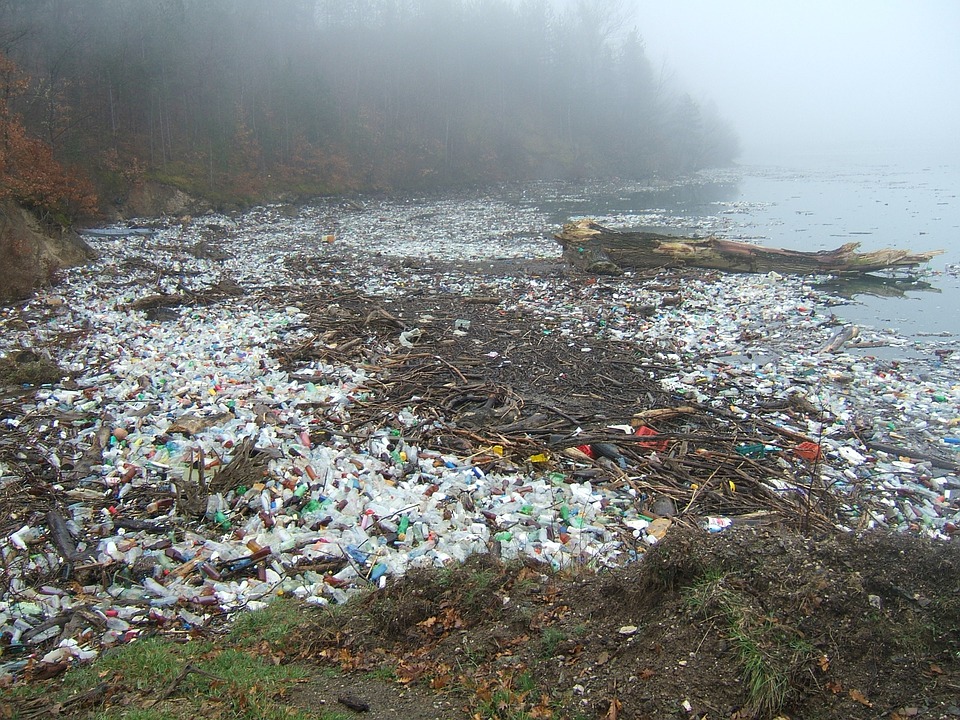
    U.S. post-consumer plastic waste for 2008 was estimated at 33.6 million tons; 2.2 million tons (6.5%) were recycled and 2.6 million tons (7.7%) were burned for energy; 28.9 million tons, or 85.5%, were discarded in landfills.

    Many plastic bottles are made of polyethylene terephthalate (PET), which actually in principle is impossible to break down. Some scientists believe that there will almost always be traces of chemicals for plastic bottles in nature. Since the organisms that decompose organic matter have evolved over billions of years to attack certain types of bonds that are common in nature and plastic bottles consist of polymers of long chains of monomers called polypropylene, not found in nature, there are no organisms capable of breaking them down. Sunlight, water, wind and weather instead break them down into smaller and smaller components.

    Perhaps a bit surprising, but ordinary plastic shopping bags also takes about 500 years to break down in nature. Often made by polyethylene, this man-made polymer is, just as polypropylene for plastic bottles, not recognized by microorganisms as food. In many countries of the world, there has been a phase-out of lightweight plastic bags since a couple of years back.

    Besides plastic bottles, other items made by plastics also takes about 400 to 600 years to break down, such as disposable Diapers, about 450 years, and monofilament Fishing Line, about 600 years to break down.

    1-2 one million years

    Photo credit: Ingrid Taylar / Flickr
    Some fragmented styrofoam. It takes over a million years to break down.

    Cans and bottles of glass consist mainly of silicon oxide, which is one of the most stable and earth permanent minerals. Styrofoam takes over a million years to break down.

    And even longer …

    Some of the worst sinners and most protracted items in nature are batteries. The thin metal casing is broken down first, but then there are big problems with the chemicals inside. Toxic elements to most animals, Zinc chloride, lead, mercury, and cadmium will persist in the soil where they will remain indefinitely. Well, at least until geological movements and events force them deeper down in the Earth.

    How do we know?

    Since most of this stuff haven’t been around for long we cannot base these estimates on any real world examples. Instead, to make long-term estimates of this sort, scientists often use respirometry tests.

    They place a solid waste sample—like a newspaper, banana peel, or plastic bag—in a vessel containing microbe-rich compost, then aerate the mixture. Over the course of several days, weeks and months, microorganisms assimilate the sample bit by bit and produce carbon dioxide which serves as an indicator of degradation.

    Some garbage, most garbage, cannot be decomposed (eaten) by organisms, and in these cases, other physical estimates of simple material attrition are used.

    _______________
    U.S. National Park Service; Mote Marine Lab, Sarasota, FL.
    Energy and economic value of plastics and municipal solid wastes
    ______________________________
    Bacteria Decomposting Nature Recycling
    Share. Facebook Twitter Pinterest LinkedIn Tumblr Email Copy Link

    Related Posts

    Biodegradable Bags Can Hold a Full Load of Shopping after 3 Years in the Environment

    June 29, 2020

    Loss of Oxygen in Ocean a Major Threat to Marine Life

    January 7, 2020

    Microbe Chews through PFAS and other Tough Contaminants

    December 30, 2019

    A Highly Radioactive Wild Boar Shoot in Sweden – 33 Years since Chernobyl

    July 4, 2019

    Feeding Cows Seaweed Cut Cut Methane Emissions, Research Finds

    July 4, 2018

    China Is Suspected to Be behind Some of the Increased Chlorofluorocarbons Emissions

    June 25, 2018
    Recent Posts
    • How the End of Bretton Woods Reshaped Our Economies — and Our Politics
    • Can the U.S. Really Handle 250% Debt-to-GDP? Why Jackson Hole’s Daring Paper Is Wrong
    • Japan’s Fiscal Trap: What Happens If Austerity Is No Longer an Option?
    • The Rise of Range Extended Electric Vehicles (REEVs): A New Era of Hybrid Mobility
    • The Great Capital Rotation: A Shift from U.S. Treasuries to Gold and Real Assets
    • The Hidden Risks of Short-Term Debt: A Balancing Act in U.S. Fiscal Policy
    • The Looming U.S. Debt Spiral: Understanding the Risks
    • The Looming Recession: Seven Economic Indicators Flashing Red for 2025
    • Europa Clipper: NASA’s Mission to Unlock the Secrets of Jupiter’s Icy Moon
    • Could Hedge Funds Cause Chaos in the U.S. Treasury Market? And What About Inflation?
    © 2025 Illustrated Curiosity

    Type above and press Enter to search. Press Esc to cancel.

    This website uses cookies to improve your experience. We'll assume you're ok with this, but you can opt-out if you wish.Accept Reject Read More
    Privacy & Cookies Policy

    Privacy Overview

    This website uses cookies to improve your experience while you navigate through the website. Out of these, the cookies that are categorized as necessary are stored on your browser as they are essential for the working of basic functionalities of the website. We also use third-party cookies that help us analyze and understand how you use this website. These cookies will be stored in your browser only with your consent. You also have the option to opt-out of these cookies. But opting out of some of these cookies may affect your browsing experience.
    Necessary
    Always Enabled
    Necessary cookies are absolutely essential for the website to function properly. This category only includes cookies that ensures basic functionalities and security features of the website. These cookies do not store any personal information.
    Non-necessary
    Any cookies that may not be particularly necessary for the website to function and is used specifically to collect user personal data via analytics, ads, other embedded contents are termed as non-necessary cookies. It is mandatory to procure user consent prior to running these cookies on your website.
    SAVE & ACCEPT