

People who swallow a lot of seawater are at greater risk of being exposed to dangerous pathogens new research from the University of Exeter shows.
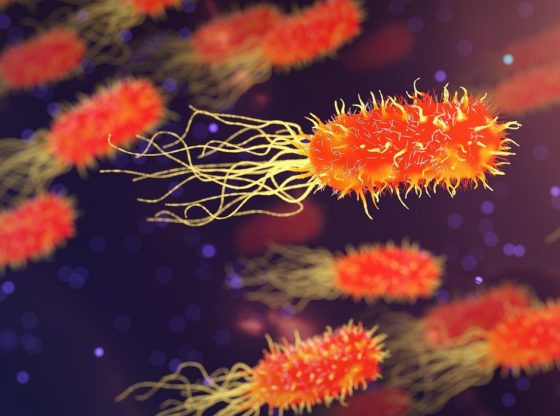
If you are a surfer you are three times more likely to have antibiotic-resistant E. coli bacteria in your stomach. This, according to a new study studying people who regularly surf off the coast of England.
Researchers of the University of Exeter conducted a study among 300 people, most of whom are regular surfers, to see whether they are more vulnerable to bacteria in seawater, including the antibiotic-resistant Escherichia coli (E. coli), which can cause diarrhea, urinary tract infections, respiratory illness and other illnesses because these surfers swallow 10 times more sea water than sea swimmers.
The scientists compared fecal samples from surfers and non-surfers, to assess whether the surfers’ guts contained E. coli bacteria that were able to grow in the presence of cefotaxime. Nine percent (13 of 143) of surfers were infected by antibiotic-resistant bacteria in their stomach compared to three percent (4 of 130) in the control group.
They also found that regular surfers were four times as likely to harbor bacteria that contain mobile genes that make bacteria resistant to the antibiotic. This is significant because the genes can be passed between bacteria – potentially spreading the ability to resist antibiotic treatment between bacteria.
“Antimicrobial resistance has been globally recognized as one of the greatest health challenges of our time, and there is now an increasing focus on how resistance can be spread through our natural environments. We urgently need to know more about how humans are exposed to these bacteria and how they colonise our guts. This research is the first of its kind to identify an association between surfing and gut colonization by antibiotic-resistant bacteria.”
– Lead researcher Dr. Anne Leonard, of the University of Exeter Medical School.
As you surf, you swallow ten times as much water as when you swim, which makes surfers more exposed to contaminated seawater. And despite extensive operations to clean up coastal waters and beaches, potentially harmful bacteria still enters the coastal environment through sewage and waste pollution from sources including water run-off from farm crops treated with manure.
The study was published yesterday in the journal Environment International.
Reference:
Anne F.C. Leonard et al. Exposure to and colonisation by antibiotic-resistant E. coli in UK coastal water users: Environmental surveillance, exposure assessment, and epidemiological study (Beach Bum Survey) https://doi.org/10.1016/j.envint.2017.11.003