Close Menu
Illustrated Curiosity | Economics, History, Science, Space, Technology, Health, Physics, Earth
    Facebook X (Twitter) Instagram YouTube
    Illustrated Curiosity | Economics, History, Science, Space, Technology, Health, Physics, Earth
    • Earth
    • Economics
    • Environment
      • Environmental Tech
      • Pollution
      • Wildlife
    • Health
      • Health Tech
      • Medicine
      • Nutrition
      • Exercise
    • History
      • Prehistory
      • Ancient History
      • Postclassical Era
      • Modern History
    • Humans
      • Human Brain
      • Psychology
    • Life
      • Animals & Plants
      • Genetics
      • Paleontology
      • Evolution
      • Genetic Engineering
    • Physics
    • Space
      • Astrobiology
      • Astronomy
      • Extrasolar Planets
      • Space Tech
      • Spaceflight
    • Technology
      • Artificial Intelligence
      • Energy
      • Engineering
      • Materials
      • Robotics
      • Vehicles
    Illustrated Curiosity | Economics, History, Science, Space, Technology, Health, Physics, Earth
    Home » Well-Preserved World War I German Submarine Found Off Belgian Coast
    Modern History

    Well-Preserved World War I German Submarine Found Off Belgian Coast

    September 26, 20174 Mins Read
    Illustration: Illustrated Curiosity
    Share
    Facebook Twitter LinkedIn Pinterest Email

    A German submarine from World War I has been discovered in the North Sea off the Belgian coast, more than a century after it sank.

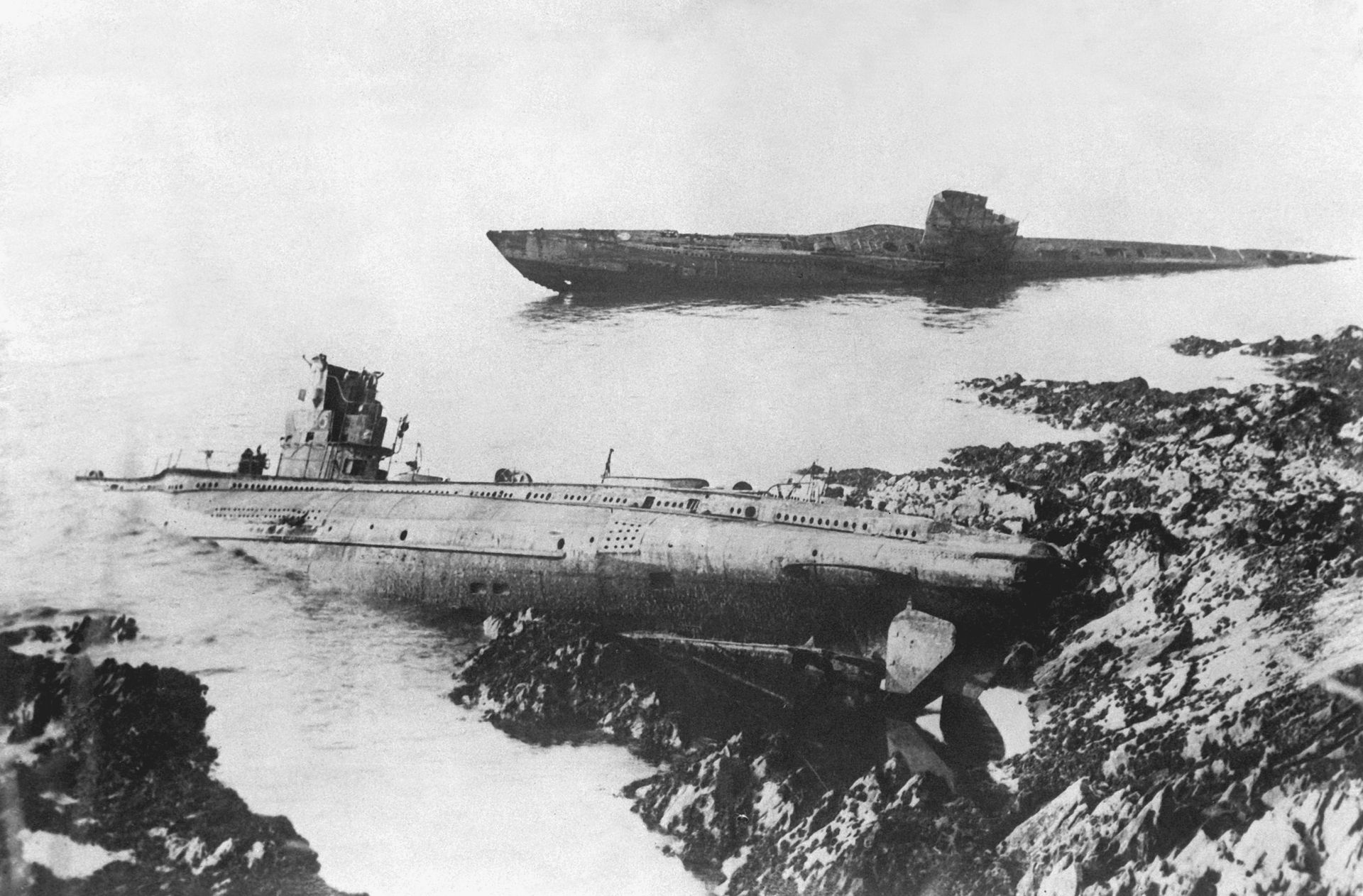
    The wreck lies at a depth of about 30 meters near the port of Ostend and is reported to be in remarkably good condition. According to Belgian authorities, the discovery may also represent a war grave, as it is possible that the remains of the submarine’s crew are still inside the vessel.

    Marine archaeologist and diver Thomas Termote, who investigated the wreck, believes the submarine’s 23 crew members may still be on board.

    “It is the 11th German submarine wreck from World War I discovered in Belgian waters, and it is the best preserved so far,” Termote told AFP. “We thought that all the major wrecks had already been found, so this discovery came as a complete surprise.”

    A sealed time capsule

    What makes the discovery particularly remarkable is the state of the submarine. All of the hatches remain closed, suggesting that the vessel has remained largely undisturbed since it sank more than 100 years ago.

    Because of this, authorities believe the wreck may still contain the remains of the crew. As a result, the submarine is likely to be treated as a protected military grave site.

    To prevent looting or disturbance, the exact location of the wreck has not been made public.

    Underwater wrecks from the First World War are often targeted by illegal salvage operations searching for metal or artifacts. By keeping the location secret, authorities hope to preserve the submarine for scientific study and historical documentation.

    A UB-II class submarine

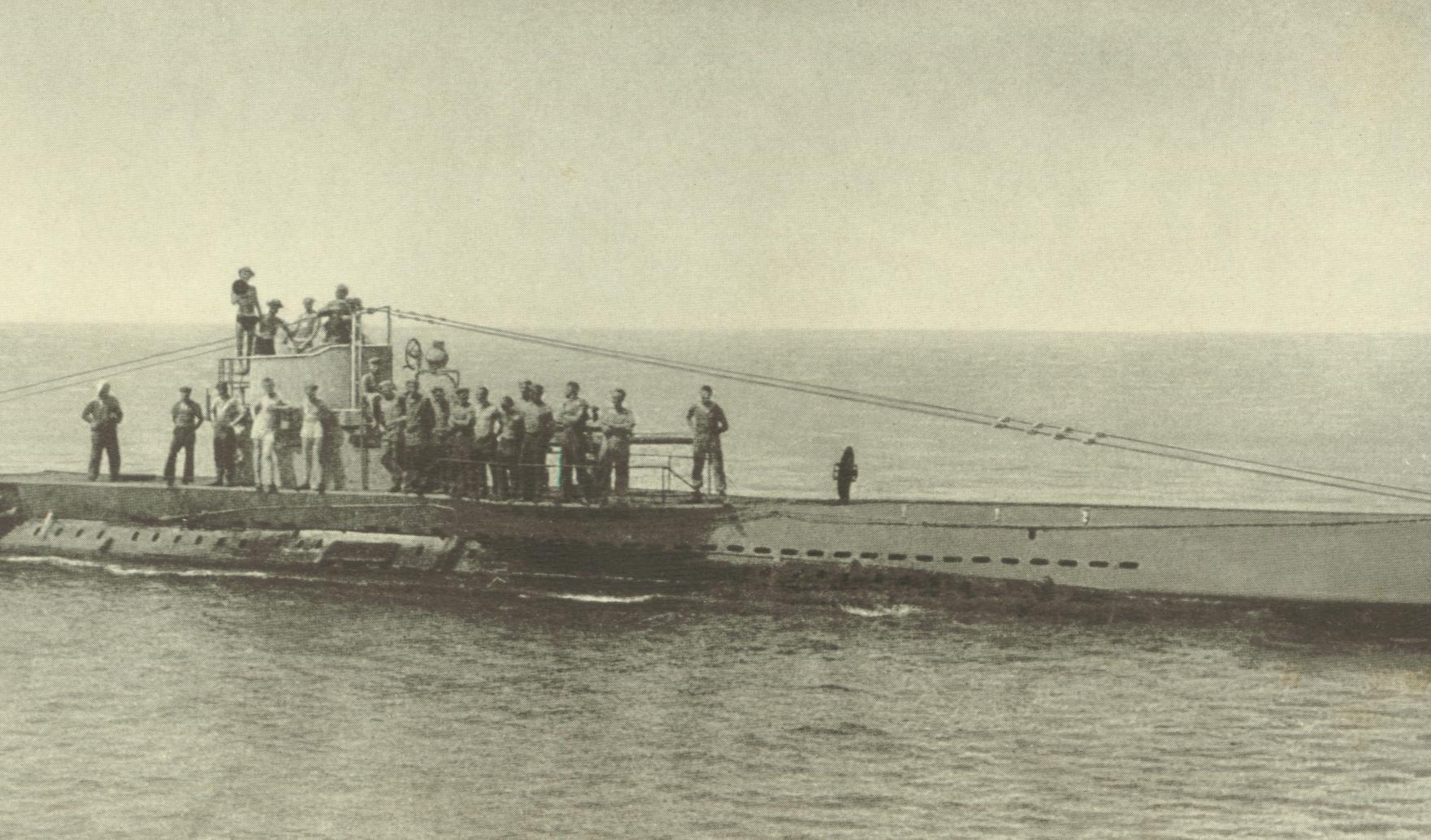
    The wreck is believed to be a UB-II class U-boat, a type of small torpedo-armed submarine used by the Imperial German Navy during World War I.

    UB-II submarines were designed for coastal operations and were particularly suited for missions in relatively shallow waters such as the North Sea and the English Channel.

    The submarines had a single-hull design and were capable of diving to depths of about 50 meters. They typically required between 30 and 45 seconds to submerge and had a crew of around 20 to 25 sailors.

    Between 1915 and 1916, around 30 submarines of this class were built at German shipyards.

    Submarine warfare in the North Sea

    During World War I, Germany relied heavily on its U-boat fleet to disrupt Allied shipping and naval operations. Submarines played a key role in Germany’s strategy of unrestricted submarine warfare, which targeted both military and merchant vessels.

    Belgium’s coastal ports were particularly important for German submarine operations. After occupying Belgium early in the war, Germany established major naval bases in Zeebrugge and Ostend, allowing U-boats to reach the North Sea and English Channel quickly.

    From these bases, German submarines attacked Allied cargo ships carrying supplies to Britain, making the region one of the most active naval battle zones of the war.

    A growing underwater archaeological record

    The newly discovered wreck adds to a growing number of World War I shipwrecks found in Belgian waters. Many of these vessels sank during naval battles or were destroyed by mines.

    Because the North Sea contains relatively cold and low-oxygen waters, wrecks can sometimes remain preserved for long periods of time.

    For historians and archaeologists, such discoveries provide valuable insights into the technology, tactics, and human stories of the First World War.

    “This submarine is an important historical discovery,” Termote said. “It allows us to better understand the naval history of the war and the lives of the sailors who served in these vessels.”

    More than a century after it sank, the submarine now rests quietly on the seabed — a silent reminder of the intense naval warfare that once took place in the waters of the North Sea.

    German Empire U-Boat World War I
    Share. Facebook Twitter Pinterest LinkedIn Tumblr Email Copy Link

    Related Posts

    A Newsreel Cameraman’s View of World War II

    February 14, 2019

    Biggest Battles in History: The Battle of Stalingrad

    January 3, 2017

    Biggest Battles in History: The Battle of Verdun

    January 2, 2017

    Biggest Battles in History: The Battle of the Somme

    January 1, 2017

    How was Germany able to recoup so quickly in the 1930s?

    November 12, 2016

    Mussolini’s message to the future discovered under monument

    September 17, 2016
    Recent Posts
    • Oil Shocks, Policy Mistakes, and the Risk of a Second Inflation Wave (Part II)
    • Oil Shocks, Policy Mistakes, and the Risk of a Second Inflation Wave (Part I)
    • Microsoft Stored a Movie on Glass — And It Could Last Centuries
    • AI, Automatic Stabilizers & Inflation
    • Largest Battles in History: Cannae — Rome’s Darkest Day
    • The Day the Alliance Died
    • Evaluating Heart Disease: How Cumulative Diet Choices Compound Your Risk
    • What Would Happen If China Attacked Taiwan?
    • Geopoliticisation as a Structural Tailwind for Commodity Prices
    • America’s Economic Remodel: Who’s Really Paying the Bill?
    © 2025 Illustrated Curiosity

    Type above and press Enter to search. Press Esc to cancel.