
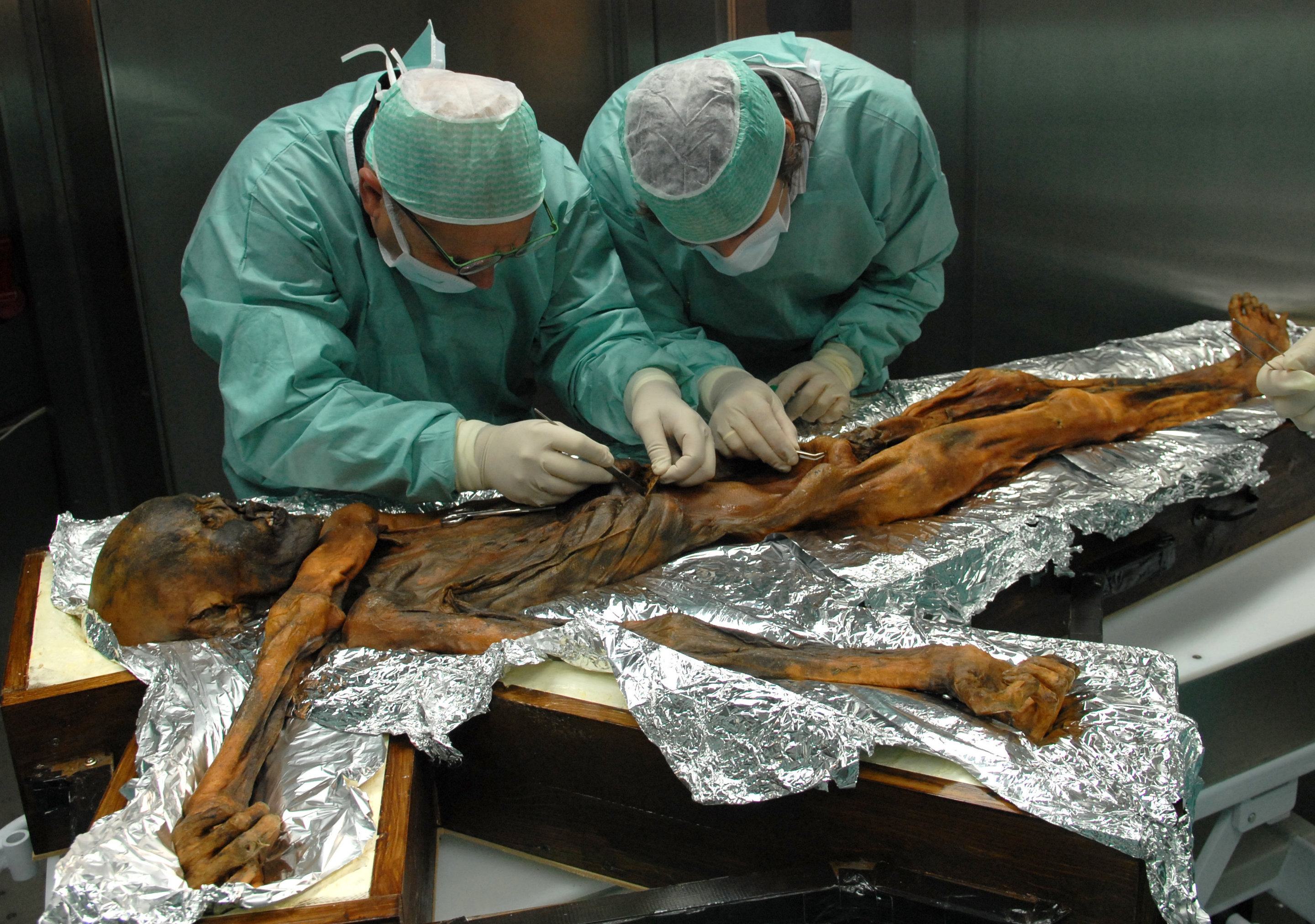
Now research reveals more about the 5,300-year-old Ötzi man – also called the Iceman – and in particular, his diet.
Ötzi is the well-preserved natural mummy of a man found in 1991 by two German tourists, at an elevation of 3,210 meters (10,530 ft) in the Ötztal Alps on the Austrian–Italian border.
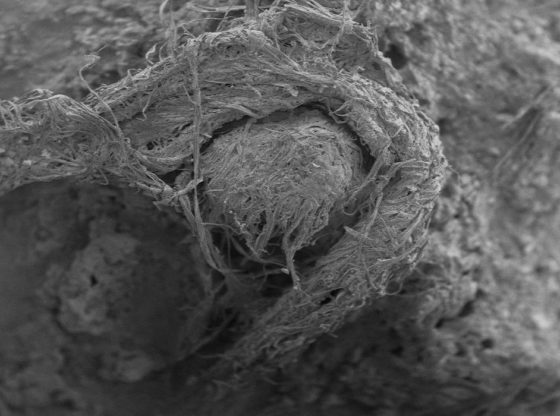
This time, the researchers have studied the content of Ötzis stomach. Using a combination of new technologies, they have analyzed residues of proteins, fat and the genetics in the material taken out of the stomach back in 2010. The Iceman’s diet has been analysed before, but not in such detail.
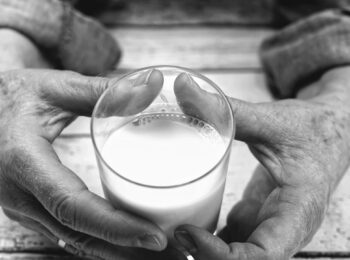
Ötzi’s stomach still contained a small amount of food that he was in the process of digesting, including animal muscle fibers and plant fragments, as well as metabolic compounds that indicated the presence of dairy products and whole-grain cereals.
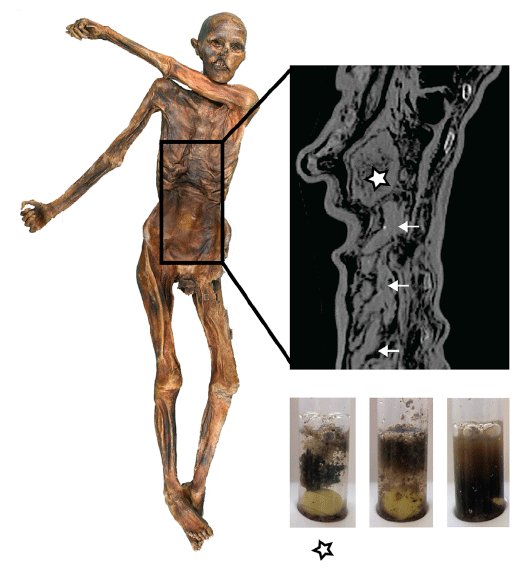
More than a third of the food ingested was from a fungal source. But what really stands out is that his last meal was very high in fats, consisting of meat from the ibex, a mountain goat, as well as some grains and plant material from bracken.
“By using a complementary multi-omics approach combined with microscopy, we reconstructed the Iceman’s last meal, showing that he has had a remarkably high proportion of fat in his diet, supplemented with wild meat from ibex and red deer, cereals from einkorn, and with traces of toxic bracken,”
– Frank Maixner of the Eurac Research Institute for Mummy Studies in Bolzano, Italy. Bracken is a genus of large ferns.
The analysis identified ibex adipose tissue as the most likely fat source. In fact, about half of the stomach contents were composed of adipose fat. While the high-fat diet was unexpected, the researchers say it “totally makes sense” given the extreme alpine environment in which the Iceman lived and where he was found.
“The high and cold environment is particularly challenging for the human physiology and requires optimal nutrient supply to avoid rapid starvation and energy loss,”
– Albert Zink, from the Eurac Research Institute for Mummy Studies in Bolzano, Italy.
The analysis indicated that the wild meat was eaten fresh or perhaps dried. While the presence of toxic bracken particles is more difficult to explain, the researchers say it’s possible that the Iceman suffered from intestinal problems related to parasites found earlier in his gut and took the bracken as a medicine.
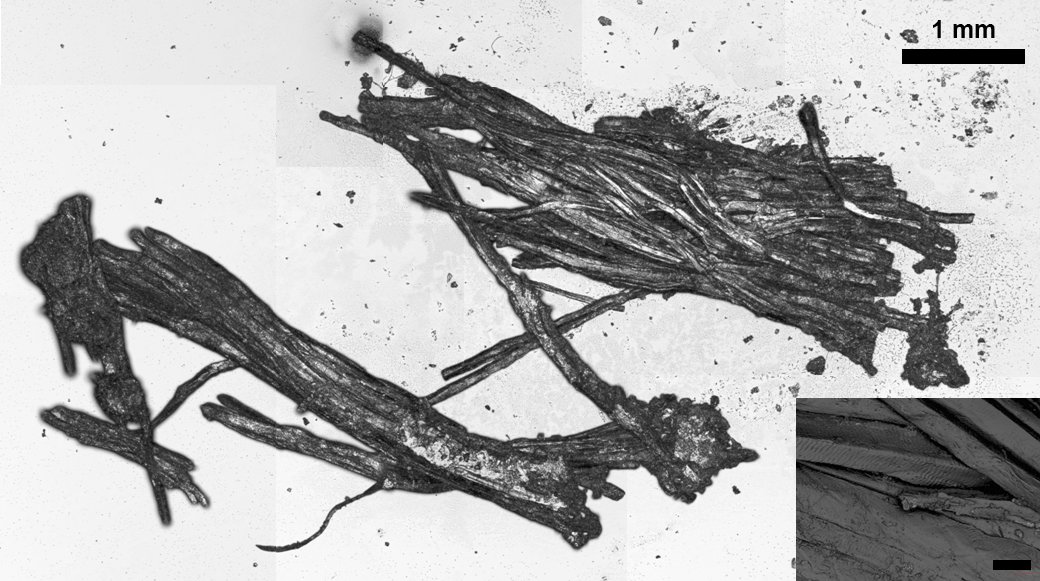
Their analysis also revealed traces of the original gut bacterial community present in the Iceman’s intestinal contents. The researchers say they plan to conduct further studies aimed to reconstruct the ancient gut microbiomes of the Iceman and other mummified human remains.
Reference:
Maixner et al., The Iceman’s Last Meal Consisted of Fat, Wild Meat, published July 12, 2018 in Current Biology, Doi: https://doi.org/10.1016/j.cub.2018.05.067