Close Menu
Illustrated Curiosity | Economics, History, Science, Space, Technology, Health, Physics, Earth
    Facebook X (Twitter) Instagram YouTube
    Illustrated Curiosity | Economics, History, Science, Space, Technology, Health, Physics, Earth
    • Earth
    • Economics
    • Environment
      • Environmental Tech
      • Pollution
      • Wildlife
    • Health
      • Health Tech
      • Medicine
      • Nutrition
      • Exercise
    • History
      • Prehistory
      • Ancient History
      • Postclassical Era
      • Modern History
    • Humans
      • Human Brain
      • Psychology
    • Life
      • Animals & Plants
      • Genetics
      • Paleontology
      • Evolution
      • Genetic Engineering
    • Physics
    • Space
      • Astrobiology
      • Astronomy
      • Extrasolar Planets
      • Space Tech
      • Spaceflight
    • Technology
      • Artificial Intelligence
      • Energy
      • Engineering
      • Materials
      • Robotics
      • Vehicles
    Illustrated Curiosity | Economics, History, Science, Space, Technology, Health, Physics, Earth
    Home » Fossil of Gigantic ‘Mammal-like’ Reptile Which Co-Existed with Dinosaurs Discovered in Poland
    Paleontology

    Fossil of Gigantic ‘Mammal-like’ Reptile Which Co-Existed with Dinosaurs Discovered in Poland

    November 27, 20183 Mins Read
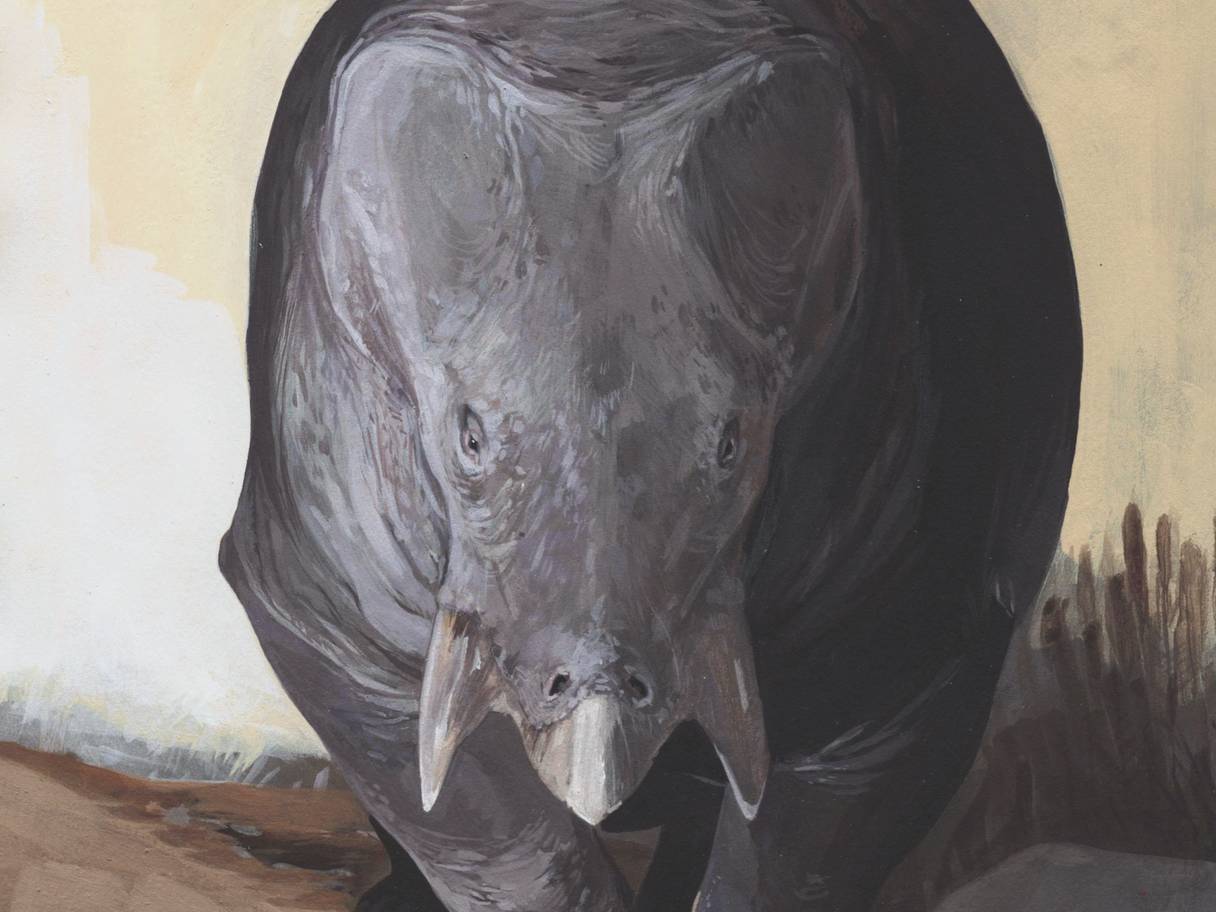
    The newly discovered Lisowicia bojani reveals dicynodonts - predecessors of modern mammals - grew to colossal sizes. Illustration by Illustrated Curiosity
    Share
    Facebook Twitter LinkedIn Pinterest Email

    The discovery of an enormous prehistoric animal, which lived during the Triassic period 200 million years ago, indicates early dinosaurs were not the only group growing to large sizes at the time.

    If you crossed a rhino with a giant turtle and then supersized the result, you might get something like Lisowicia bojani.

    This is a newly discovered Triassic mammal cousin that had a body shaped like a rhinoceros, a beak like a turtle, and weighed as much as an African elephant, about 9 tons.
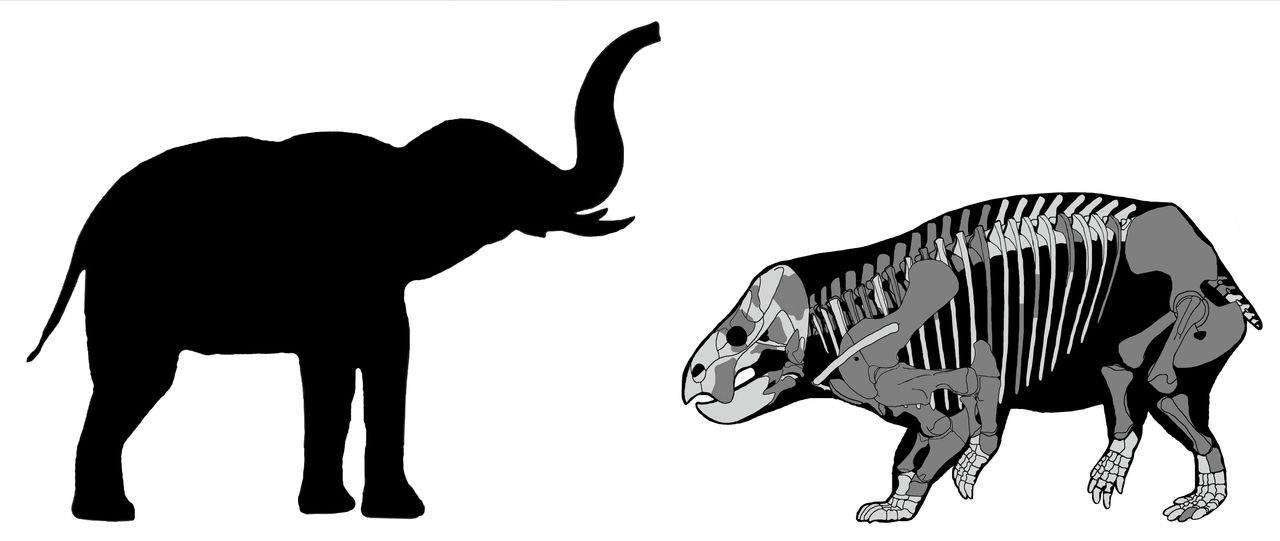
    Illustration by Illustrated Curiosity

    The fossilised remains were discovered in Poland and offer a new view of the dawn of the age of the dinosaurs.

    Researchers had thought that during the Late Triassic, from about 240 million until 201 million years ago, early mammals and their relatives were small and acting in the shadows of the enormous dinosaurs. But this discovery throws a wrench into that simple tale, suggesting the same evolutionary forces that favored giant dinosaurs were at work on other creatures as well.

    Scientists have identified the remains as a type of dicynodont from the therapsid group and have named the species Lisowicia bojani, after the Polish village of Lisowice, close to where the fossils were found, and a German anatomist named Ludwig Heinrich Bojanus.

    “We used to think that after the end-Permian extinction, mammals and their relatives retreated to the shadows while dinosaurs rose up and grew to huge sizes,”

    – Grzegorz Niedzwiedzki, a paleontologist at Uppsala University in Sweden, who co-authored the paper.

    Analysis of the bones allowed scientists to build up a picture of Lisowicia—revealing its immense size and how it would have walked in an upright manner, similar to large mammals like rhinos and hippos. It lived between 210 and 205 million years ago—roughly ten million years later than previous dicynodont findings.
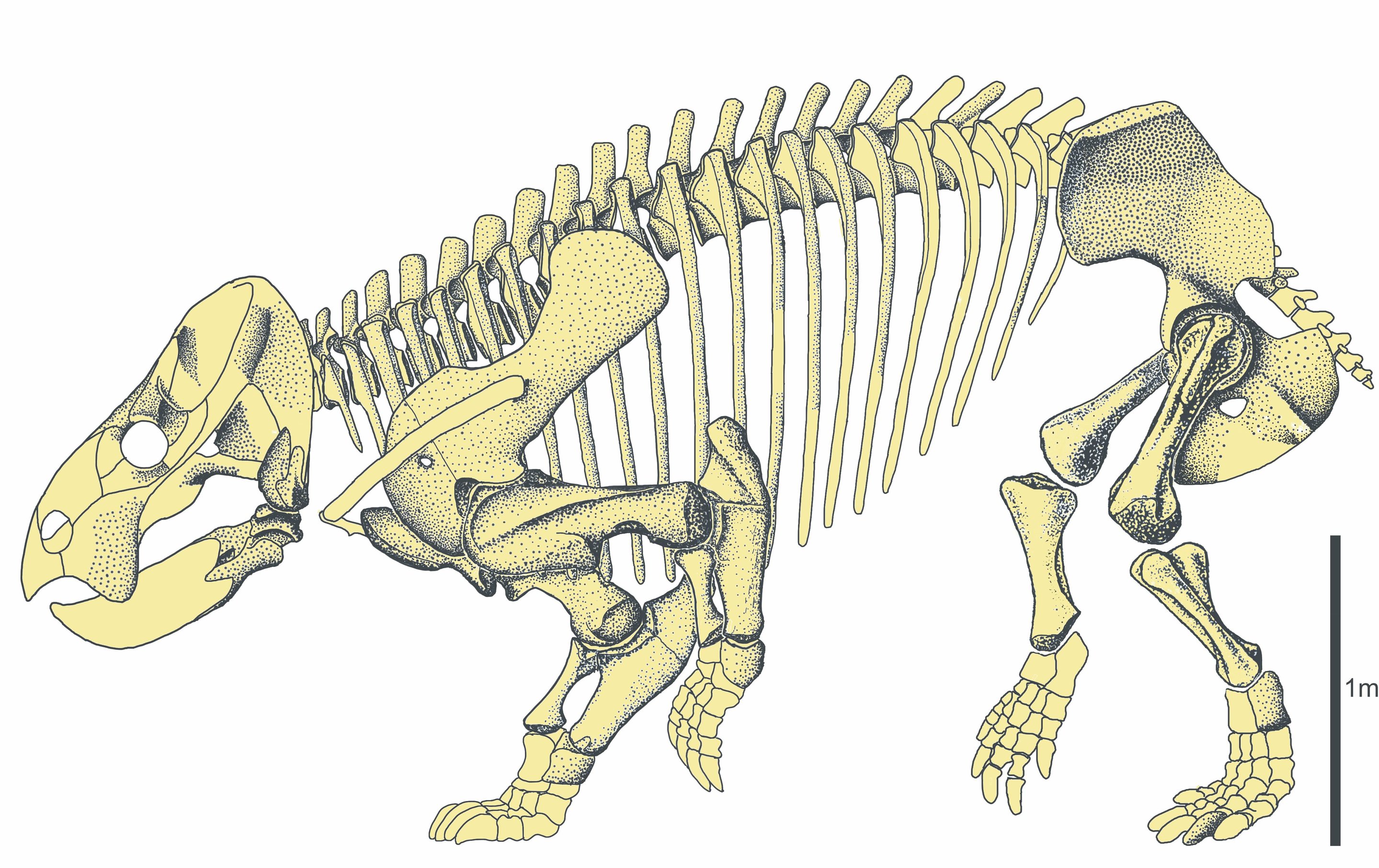
    Lisowicia is a dicynodont—a group of animals belonging to the therapsid order. Therapsids were mammal-like reptiles that lived alongside the first mammals, crocodiles, and dinosaurs. They belong to a sister line to the mammalian line, but they’re not our direct ancestors. They are more like our distant cousins, similar to the way monkeys are distant cousins of humans.

    The study, published in the journal Science, said the Lisowicia would have been 40 percent larger than any previously identified dicynodont.

    Reference:

    Tomasz Sulej1, Grzegorz Niedźwiedzki An elephant-sized Late Triassic synapsid with erect limbs Science 22 Nov 2018: eaal4853 DOI: 10.1126/science.aal4853
    Share. Facebook Twitter Pinterest LinkedIn Tumblr Email Copy Link

    Related Posts

    All Dogs Are Descended from the Same Wolf

    November 30, 2020

    European Neanderthals Feasted on Fresh Seafood, Boosting Their Brain

    March 30, 2020

    Fishing in the Sahara? Yes – 10 000 Years Ago

    March 2, 2020

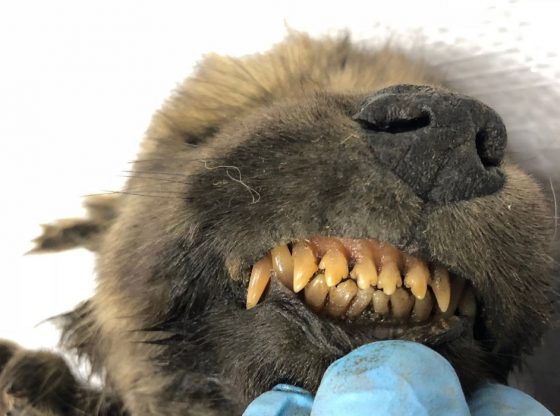
    18,000-Year-Old Frozen Puppy Found Perfectly Preserved in Siberian Permafrost

    December 9, 2019

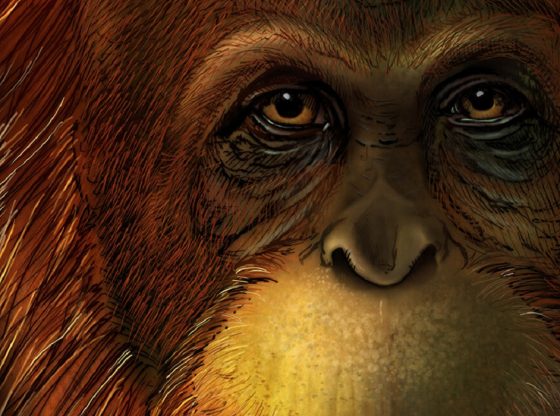
    Huge mysterious ape Gigantopithecus was a distant cousin of orangutans

    November 25, 2019

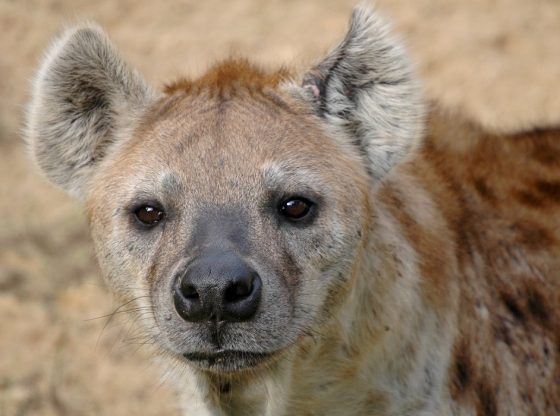
    Fossil Teeth Reveal Ancient Hyenas in the Arctic

    July 1, 2019
    Recent Posts
    • The Day the Alliance Died
    • Evaluating Heart Disease: How Cumulative Diet Choices Compound Your Risk
    • What Would Happen If China Attacked Taiwan?
    • Geopoliticisation as a Structural Tailwind for Commodity Prices
    • America’s Economic Remodel: Who’s Really Paying the Bill?
    • Why Inflation May Be Preparing for a Second Act
    • How the End of Bretton Woods Reshaped Our Economies — and Our Politics
    • Can the U.S. Really Handle 250% Debt-to-GDP? Why Jackson Hole’s Daring Paper Is Wrong
    • Japan’s Fiscal Trap: What Happens If Austerity Is No Longer an Option?
    • The Rise of Range Extended Electric Vehicles (REEVs): A New Era of Hybrid Mobility
    © 2025 Illustrated Curiosity

    Type above and press Enter to search. Press Esc to cancel.