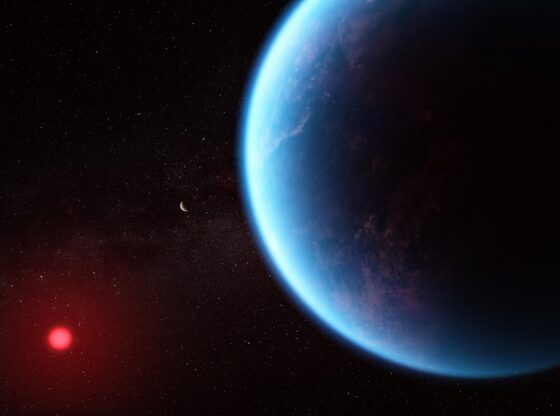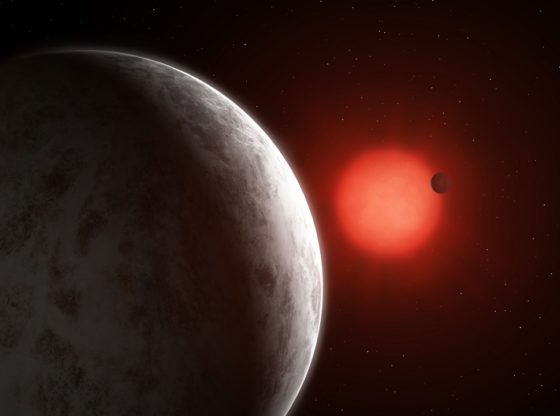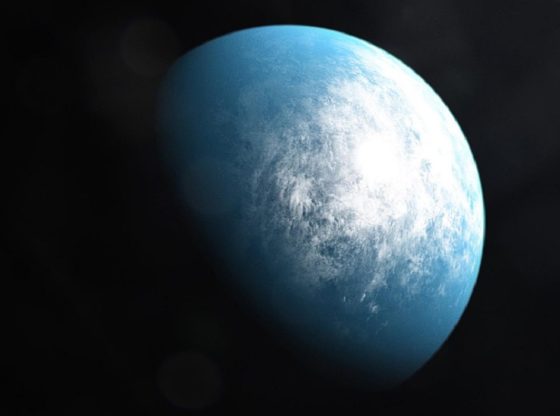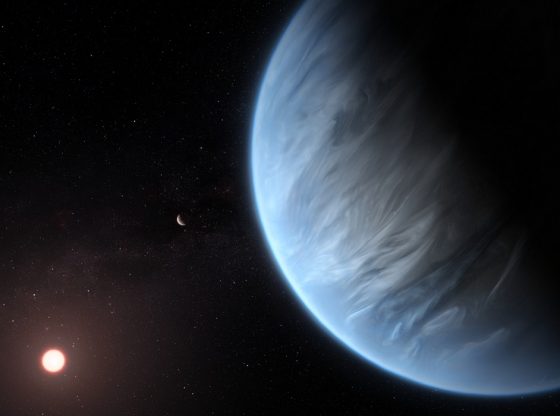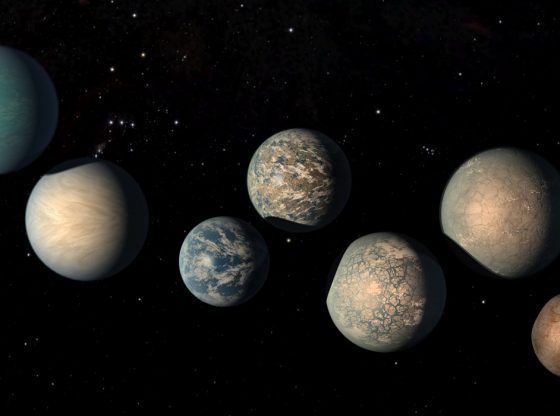

New findings provide compelling evidence for the existence and chance of finding more Earth-like planets in the universe. Astronomers have made the discovery of five unique Earth-like planets. And what’s so unique about them is their age; as they are all extremely old.
Their age implies that they must have formed very early in the history of the universe and that the creation of Earth-size planets is not limited to a certain period during the age of the universe, but has been going for a very long time indeed.
Many exoplanets have indeed been found in recent years and some of those Earth-like, but none of them has been very old.
Ancient Life
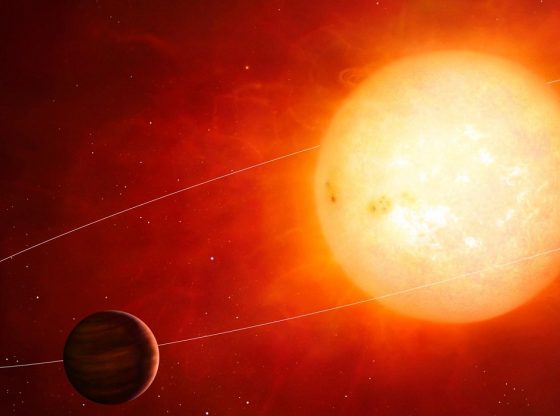
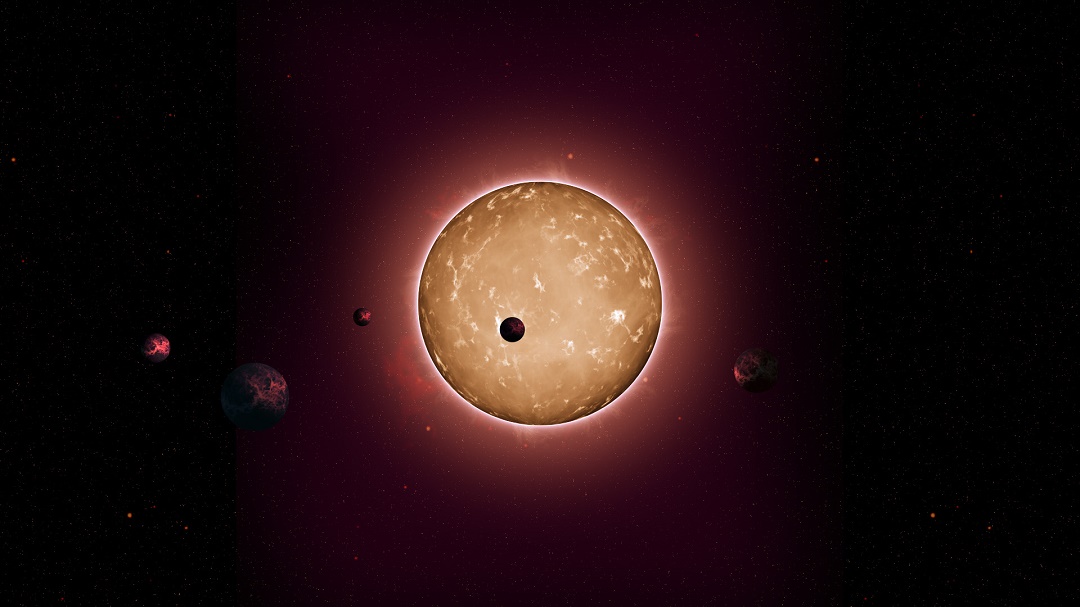
The planets were found orbiting a star named Kepler-444 that is nearly 11 billion years old. The planets must, therefore, have existed for at least 2.5 times as long as the Earth.
Their mere existence provides compelling evidence of more Earth-size planets in the universe and increases our knowledge about when planets first came into existence after the Big Bang.
The discovery also implies that the chances of finding life in the universe increase with the time that life could have existed on other worlds. Since life could have come into existence very early during the age of the universe.
All of the newfound five planets are considered Earth-like since they are all rocky and quite small. In comparison, if the Earth were the size of a football, the smallest of these would be about the size of a grapefruit. But here is where the similarities with Earth ends, as they all orbit their star too close to have liquid water, which defines the so-called habitable zone.
The discovery forces science to reconsider how the early universe worked. Since the Universe was initially composed by almost exclusively by hydrogen and helium, with all the heavier stuff coming much later. With iron formed in supernovae explosions. So since these heavier elements increase with time and the age of the universe, the building blocks simply wasn’t there early on.
Lead study author Tiago Campante of the University of Birmingham in England, comments the findings, “It is extraordinary that such an ancient system of terrestrial-sized planets formed when the universe was just starting out, at a fifth its current age. Kepler-444 is two and a half times older than our solar system, which is only a youthful 4.5 billion years old.” “This tells us that planets this size have formed for most of the history of the universe and we are much better placed to understand exactly when this began happening.”
Ancient Aliens: Where are They?

“We now know that Earth-sized planets have formed throughout most of the universe’s 13.8-billion-year history, which could provide scope for the existence of ancient life in the galaxy,”, Tiago Capante adds.
The age of these early planets also makes The Fermi paradox even more relevant. The paradox describes the apparent contradiction between high probability estimates (The Drake equation) of the existence of extraterrestrial civilizations and our lack of contact with, or evidence for, such civilizations.
Since life could evidently have arisen very long ago, civilizations building spaceships could have begun long before the Earth was even formed.
The paradox was devised by the physicists Enrico Fermi and Micheal H. Hart and the basic points of the arguments are:
- The Sun is a typical star, and relatively young. There are billions of stars in the galaxy that are billions of years older.
- With high probability, some of these stars will have Earth-like planets. Assuming the Earth is typical, some of these planets may develop intelligent life.
- Some of these civilizations may develop interstellar travel, a technology Earth is investigating even now (such as the 100 Year Starship).
- Even at the slow pace of currently envisioned interstellar travel, the galaxy can be completely colonized in a few tens of millions of years.
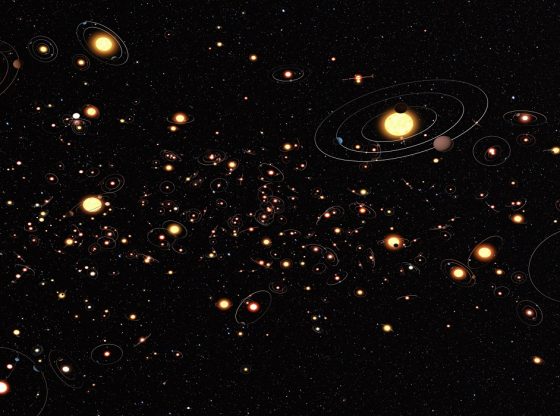
We have however only made our mark on a fraction of our galaxy with our earliest radio signals having reached about a hundred light years by now. Obviously, we just do not have all the information yet to conclude that there is no extraterrestrial intelligence out there. And we are surely just getting started with only about a couple of thousands of planets yet found orbiting other stars. With billions of them out there, scientists estimate our Milky Way galaxy could harbor 11 billion earth-like planets orbiting around sun-like stars.
Astronomers are now keen to find more ancient planetary systems to possibly pinpointing the beginning of planetary formation in the universe. And future findings will surely provide us with a continually updated understanding of the universe.
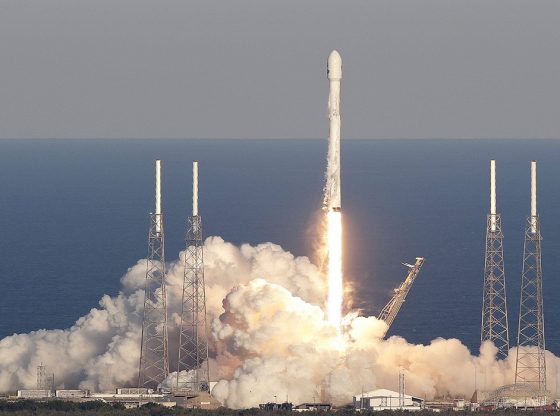
These recent findings have been published in The Astrophysical Journal. The discovery was made by a team of astronomers at the University of Birmingham with the help of NASA analyzing data collected by the Kepler space telescope.
_______________
Reference: T. L. Ante Camp et al. “An ancient extrasolar systems with five sub-Earth-size planet.” The Astrophysical Journal 27 January 2015.
Ancient star system reveals Earth-sized planets forming near start of universe
______________________________