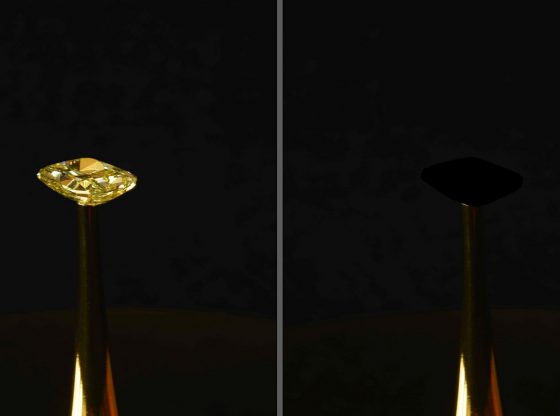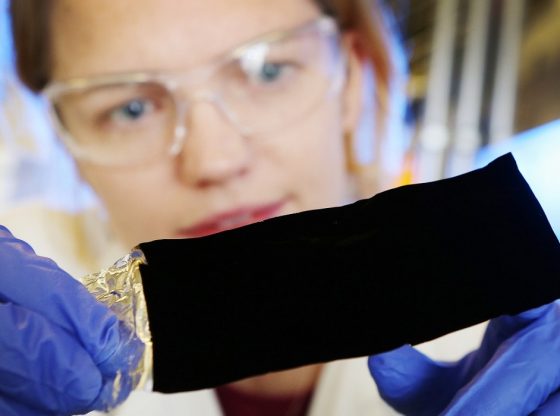

Heat development is one of the major obstacles to building aircraft that can go really fast. Now scientists have found a “super material” that could shorten air travel radically.
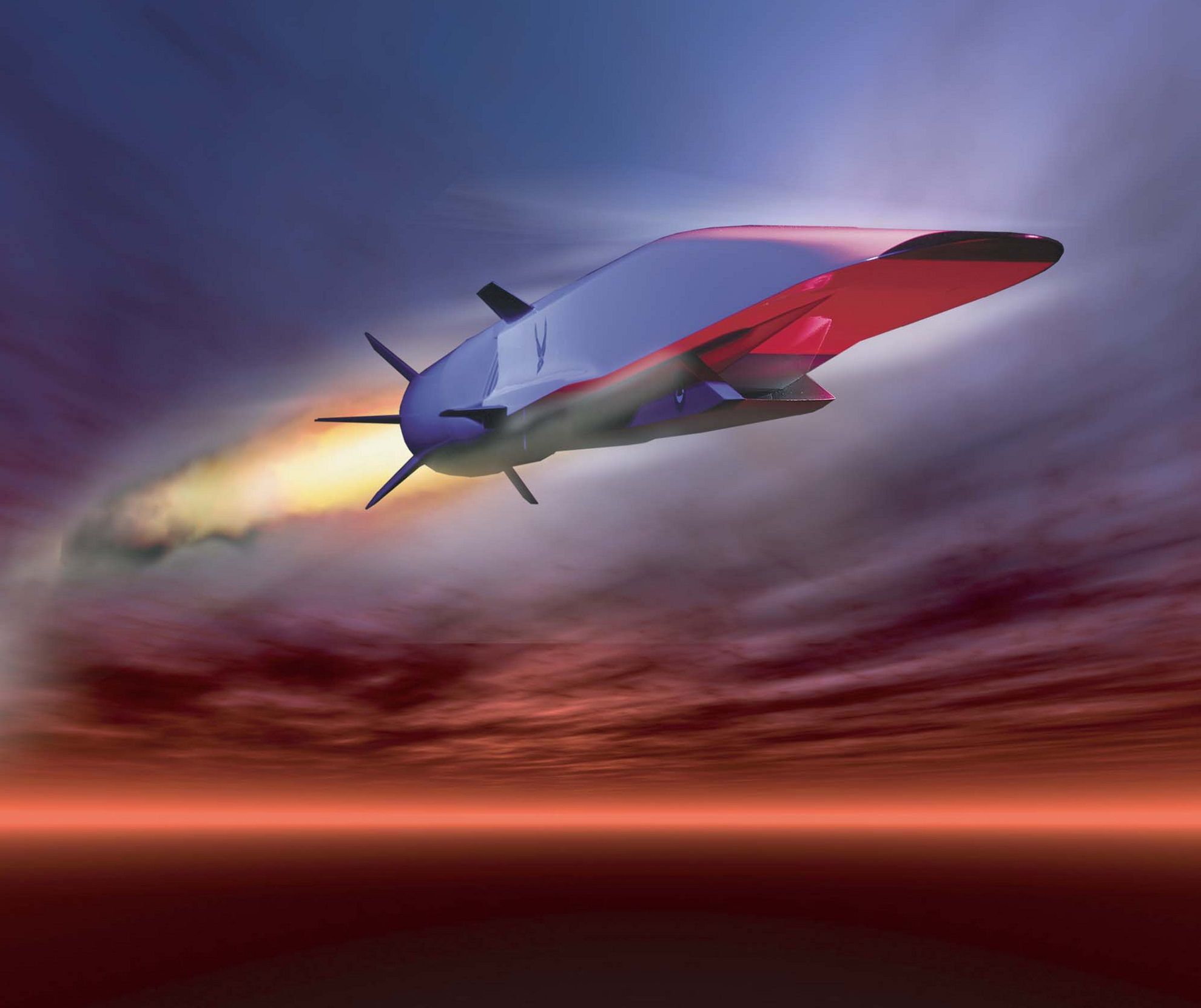
Hypersonic travel is defined as Mach 5 (6,174km/h) and above. Concorde had an average cruise speed of just over Mach 2, while the fastest ever manned aircraft, the experimental North American X-15, hit Mach 6.7 in October 1967. Boeing tested a supersonic aircraft called X-51A in 2013, it reached Mach 5, but only achieved the speed for 210 seconds.
None has managed or attempted to replicate the relatively accessible experience of Concorde travel with Mach 5+ speeds. Until now, with the U.S. Air Force taking a different approach to the problem.
They have co-financed a joint study conducted by NASA, Binghamton University and the State University of New York. The researchers’ results could prove an important step towards aircraft that are able to handle long periods of hypersonic speed, i.e Mach 5 and faster.
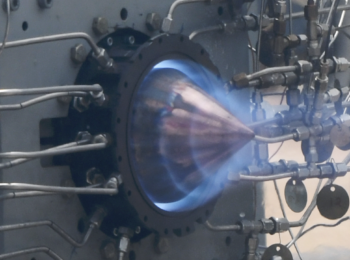
An aircraft that travel five times faster than the speed of sound would fly from London to New York in less than an hour. But first, a series of technical challenges must be solved. Among the biggest is finding a material that can cope with the heat, along with all the other stresses resulting from supersonic and hypersonic speeds.
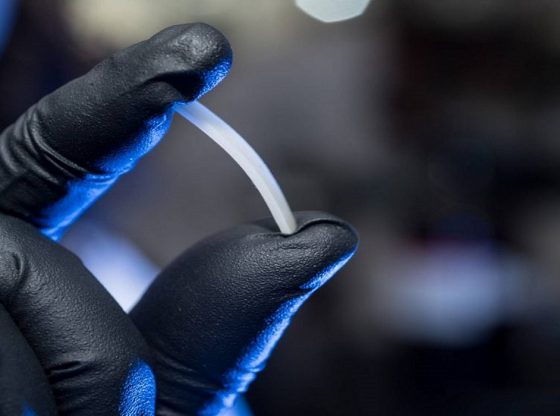
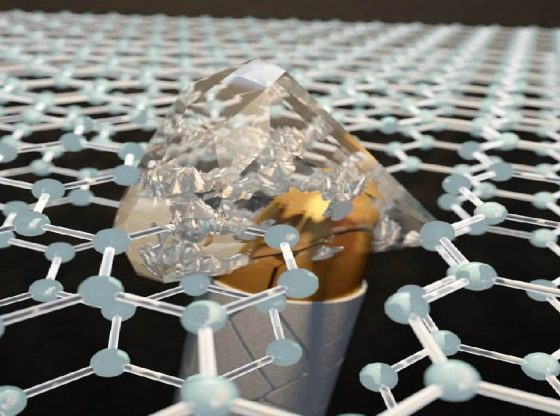
The researchers’ newly developed material is a nanotube structure made out of boron nitride. Previously, carbon nanotubes have been used in aircraft. Carbon nanotubes are light, stronger than steel and can handle extreme temperatures – but the material cannot measure up to nanotubes made out of boron nitride.
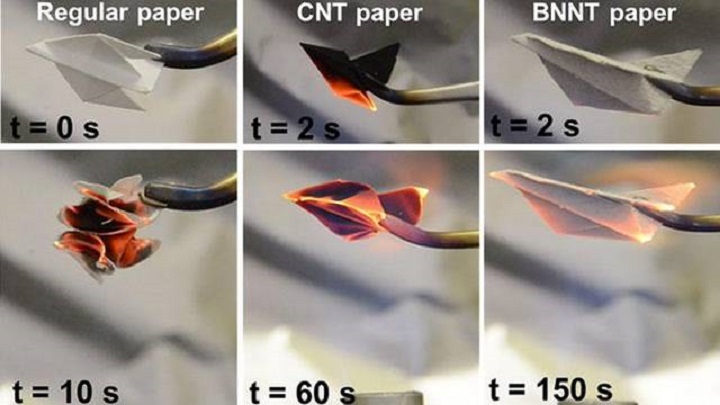
The strong and lightweight material could enable vehicles traveling at five to 10 times the speed of sound, the US Air Force research team says.
While carbon nanotubes can remain stable at temperatures up to 400 degrees Celsius, the researcher’s study shows that BNNT (boron nitride nanotubes) can withstand up to 900 degrees. They are also able to handle extreme-stress levels and are extremely light.
It may take up to ten years before the nanotubes of boron nitride end up in aircraft, however. NASA owns one of the few facilities in the world that has the capacity to produce this high-grade material.
The price is $ 1,000 per gram at the moment. However, researchers hope that BNNT will undergo the same development as carbon nanotubes. They were originally at the same price range but are now between 10-20 dollars per gram due to scale advantages and technological developments in production.
The paper, “Quantitative Characterization of Structural and Mechanical Properties of Boron Nitride Nanotubes in High-Temperature Environments,” was published in Scientific Reports.
Reference:
Xiaoming Chen, Christopher M. Dmuchowski et al. Quantitative Characterization of Structural and Mechanical Properties of Boron Nitride Nanotubes in High Temperature Environments doi:10.1038/s41598-017-11795-9