
Appendix removal early in life linked to a 19% reduced risk of developing the illness, study finds.
Parkinson’s disease could originate in the appendix, according to one of the largest studies of the neurodegenerative illness. The study published in the journal Science Translational Medicine adds another flaw to the perplexing little organ: it might initiate the neurodegenerative disorder, Parkinson’s disease.
The analysis of health records of more than 1 million individuals in Sweden found that having the appendix removed early in life is linked to a 19% reduced risk of developing Parkinson’s disease.
These findings are the latest in a long line of findings implicating the gut and immune system in the genesis of the disease, in which the loss of neurons in a brain area that controls movement lead to a tremor and slurred speech.
“Our results point to the appendix as a site of origin for Parkinson’s and provide a path forward for devising new treatment strategies that leverage the gastrointestinal tract’s role in the development of the disease,”
“Despite having a reputation as largely unnecessary, the appendix actually plays a major part in our immune systems, in regulating the makeup of our gut bacteria and now, as shown by our work, in Parkinson’s disease.”
– Senior study investigator Viviane Labrie, Ph.D.
The study was done in three phases, the first phase involved analyzing data from the Swedish National Patient Registry (SNPR) and Statistics Sweden on 1.698 million individuals who had been followed for up to 52-years. Of them, 551,647 had undergone an appendectomy at some point their lives. These people were 19.3% less likely to eventually develop Parkinson’s Disease than those who never had their appendixes removed and a 16.9% less likely than the general population.
The second phase entailed analyzing data on 849 Parkinson’s Disease cases from the Parkinson’s Progression Markers Initiative (PPMI). Those who had had an appendectomy at least 30 years before the diagnosis tended to develop Parkinson’s Disease at a later age, on average 3.6 years later, than those who had never had an appendectomy.
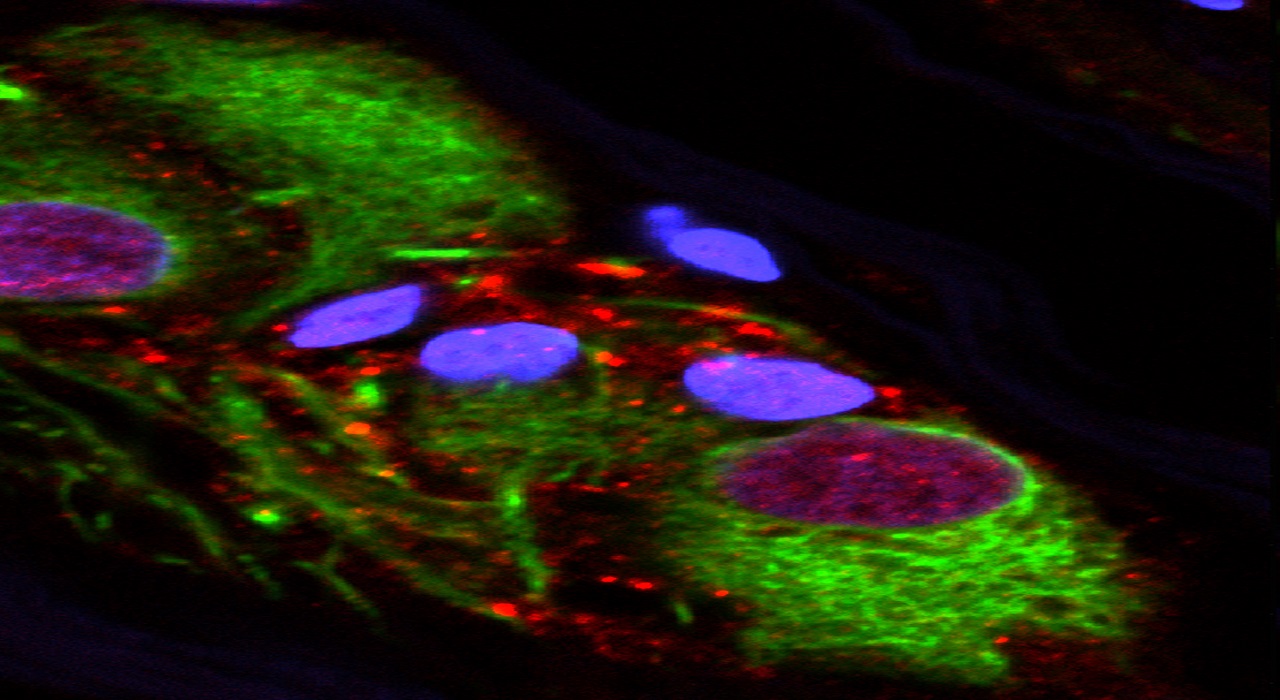
The third phase of the study involved samples of the appendixes from 48 people without Parkinson’s Disease and used immunohistochemistry to look for a protein called α-synuclein. A protein whose function in the healthy brain is currently unknown but is of great interest to Parkinson and Alzheimer’s researchers because it is a major constituent of Lewy bodies, protein clumps that are the pathological hallmark of Parkinson’s disease.
The research team did indeed find collections of α-synuclein in the sample appendix tissues. They also found that the amount of α-synuclein was increased in 6 samples of appendixes from patients with Parkinson’s.
The causation is unknown, but it is increasingly clear that the gut whispers to the brain, the brain whispers to the gut. Still, the findings don’t mean people should run out and schedule appendectomies. Parkinson’s itself is a relatively rare disease that affects less than 1 percent of the population.
Reference:
Bryan A. Killinger et al. The vermiform appendix impacts the risk of developing Parkinson’s disease DOI: 10.1126/scitranslmed.aar5280