
Close Menu
Illustrated Curiosity | Economics, History, Science, Space, Technology, Health, Physics, Earth
    Facebook X (Twitter) Instagram YouTube
    Illustrated Curiosity | Economics, History, Science, Space, Technology, Health, Physics, Earth
    • Earth
    • Economics
    • Environment
      • Environmental Tech
      • Pollution
      • Wildlife
    • Health
      • Health Tech
      • Medicine
      • Nutrition
      • Exercise
    • History
      • Prehistory
      • Ancient History
      • Postclassical Era
      • Modern History
    • Humans
      • Human Brain
      • Psychology
    • Life
      • Animals & Plants
      • Genetics
      • Paleontology
      • Evolution
      • Genetic Engineering
    • Physics
    • Space
      • Astrobiology
      • Astronomy
      • Extrasolar Planets
      • Space Tech
      • Spaceflight
    • Technology
      • Artificial Intelligence
      • Energy
      • Engineering
      • Materials
      • Robotics
      • Vehicles
    Illustrated Curiosity | Economics, History, Science, Space, Technology, Health, Physics, Earth
    Home » Study Results Suggest Human Aging Can Be Reversed
    Health Tech

    Study Results Suggest Human Aging Can Be Reversed

    September 11, 20192 Mins Read
    Image: Pixabay
    Share
    Facebook Twitter LinkedIn Pinterest Email


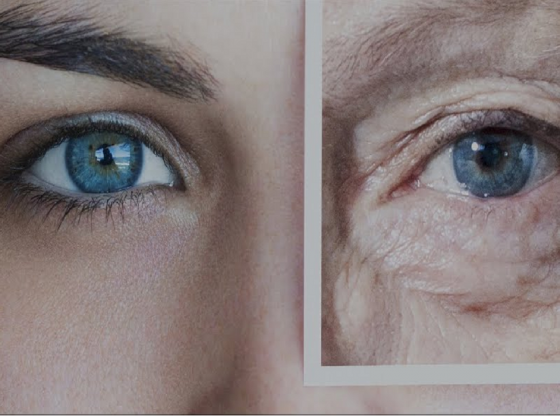
    A new clinical study suggests for the first time that it might be possible to reverse the body’s epigenetic clock, which measures a person’s biological age.

    The small clinical trial was conducted by a team of researchers led by Dr. Greg Fahy, whose findings were published on 5 September in Aging Cell.

    The team had nine healthy volunteers take a cocktail of three common drugs — growth hormone and two diabetes medications (dehydroepiandrosterone (DHEA) and metformin) — for one year.

    The trial was aimed at testing whether a growth hormone and drug combination could be used safely in humans to restore thymic function lost due to aging.

    Their biological ages were reduced by an average of 2.5 years, as measured by the epigenetic clock. This clock works by examining the epigenome, the alterations to gene expression that predictably change throughout the lifespan, and so can be reliably used to estimate a person’s biological age.

    The epigenetic clock relies on the body’s epigenome, which comprises chemical modifications, such as methyl groups, that tag DNA. It is deemed to be a much more accurate way to determine the biological rather than chronological age of a person.

    The results surprised the researchers — but they caution that the findings are preliminary because the trial was small and did not include a control group.

    “I’d expected to see slowing down of the clock, but not a reversal. That felt kind of futuristic.”

    Steve Horvath, a University of California, Los Angeles (UCLA) geneticist and one of the study’s authors, told the publication that all four different epigenetic clocks he used indicated significant reversal for each trial participant in all of the tests.

    “This told me that the biological effect of the treatment was robust,”

    In particular, the thymus seemed to improve its level of function in. This is important as thymic output is a strong determinant for cancer risk. Regenerating the thymus could be useful in people who have underactive immune systems, including older people.

    Reference:

    Gregory M. Fahy et al. Reversal of epigenetic aging and immunosenescent trends in humans DOI: 10.1111/acel.13028

    Share. Facebook Twitter Pinterest LinkedIn Tumblr Email Copy Link

    Related Posts

    Spinal Cord Stimulation Helps Three Paralyzed People Walk Again

    November 8, 2018

    Man Against Machine: AI Is Better Than Dermatologists at Diagnosing Skin Cancer

    June 22, 2018

    Spikes of Graphene Can Kill Bacteria on Implants

    June 15, 2018

    Tiny Injectable Sensor Could Provide Unobtrusive Alcohol Monitoring

    June 3, 2018

    Experimental Glue Could Soon Fix Broken Bones

    April 30, 2018
    Recent Posts
    • Largest Battles in History: Cannae — Rome’s Darkest Day
    • The Day the Alliance Died
    • Evaluating Heart Disease: How Cumulative Diet Choices Compound Your Risk
    • What Would Happen If China Attacked Taiwan?
    • Geopoliticisation as a Structural Tailwind for Commodity Prices
    • America’s Economic Remodel: Who’s Really Paying the Bill?
    • Why Inflation May Be Preparing for a Second Act
    • How the End of Bretton Woods Reshaped Our Economies — and Our Politics
    • Can the U.S. Really Handle 250% Debt-to-GDP? Why Jackson Hole’s Daring Paper Is Wrong
    • Japan’s Fiscal Trap: What Happens If Austerity Is No Longer an Option?
    © 2025 Illustrated Curiosity

    Type above and press Enter to search. Press Esc to cancel.