Close Menu
Illustrated Curiosity | Economics, History, Science, Space, Technology, Health, Physics, Earth
    Facebook X (Twitter) Instagram YouTube
    Illustrated Curiosity | Economics, History, Science, Space, Technology, Health, Physics, Earth
    • Earth
    • Economics
    • Environment
      • Environmental Tech
      • Pollution
      • Wildlife
    • Health
      • Health Tech
      • Medicine
      • Nutrition
      • Exercise
    • History
      • Prehistory
      • Ancient History
      • Postclassical Era
      • Modern History
    • Humans
      • Human Brain
      • Psychology
    • Life
      • Animals & Plants
      • Genetics
      • Paleontology
      • Evolution
      • Genetic Engineering
    • Physics
    • Space
      • Astrobiology
      • Astronomy
      • Extrasolar Planets
      • Space Tech
      • Spaceflight
    • Technology
      • Artificial Intelligence
      • Energy
      • Engineering
      • Materials
      • Robotics
      • Vehicles
    Illustrated Curiosity | Economics, History, Science, Space, Technology, Health, Physics, Earth
    Home » DNA from Viking Age fish suggests 1,000-year history of European fish trade
    Postclassical Era

    DNA from Viking Age fish suggests 1,000-year history of European fish trade

    August 8, 20173 Mins Read
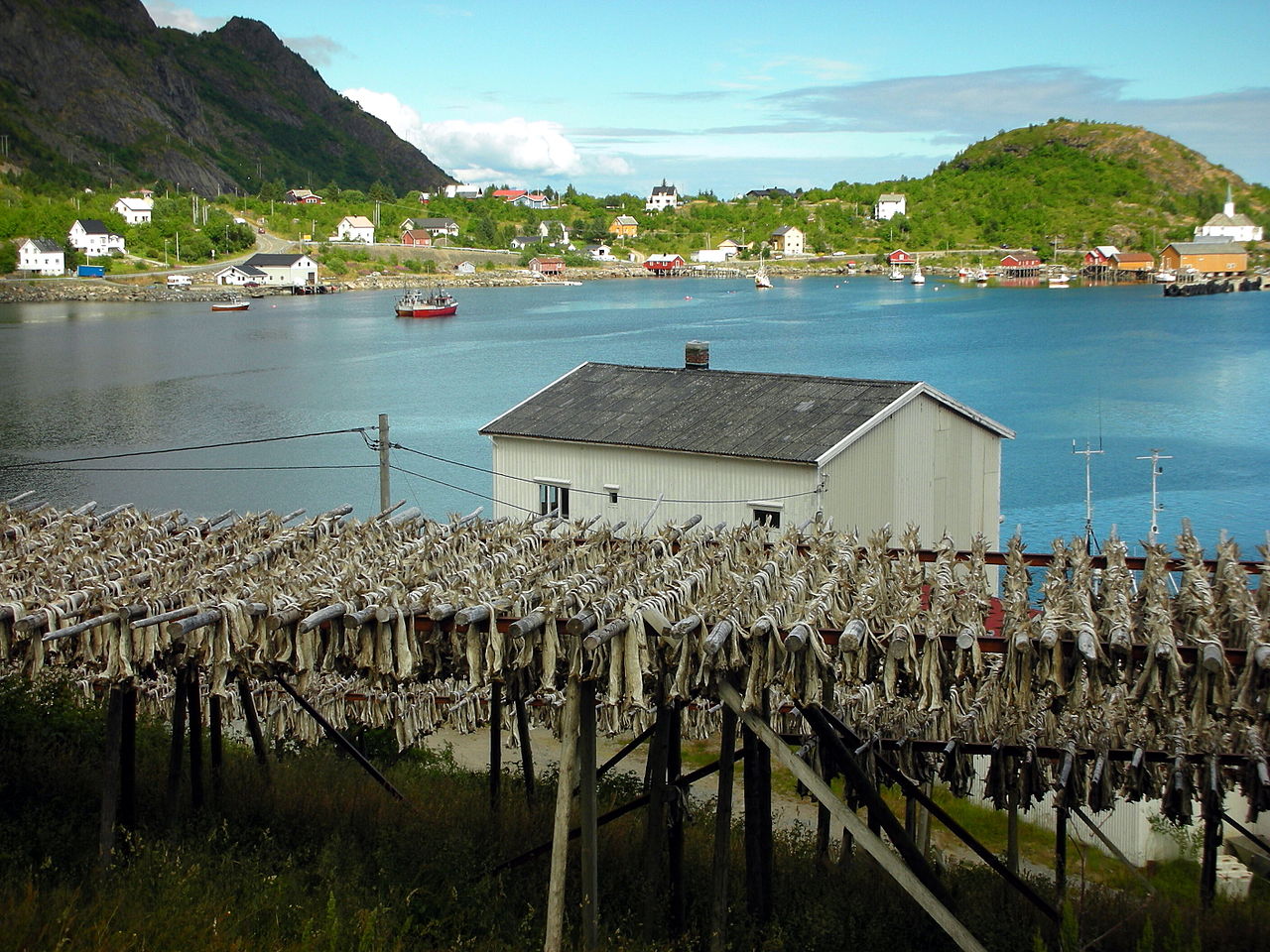
    Stockfish is unsalted fish, especially cod, dried by cold air and wind on wooden racks (which is called "hjell" in Norway) on the foreshore, as seen here on a fish-drying rack in Moskenes, Lofoten, Norway. Image: Sondrekv, via Wikipedia, Public Domain
    Share
    Facebook Twitter LinkedIn Pinterest Email

    It appears as if dried cod was an important commodity product during the Viking Age, according to a study published in the journal PNAS.
    An international research team has, for the first time, been able to show that commercial fishing and trade between Norway and Germany were probably already established in the Viking age. This is what the researchers conclude after studying fish bones from the 8th century CE.

    There is written evidence documenting the fish trade between Iceland and northern Norway during the Middle Ages. But this is the first proof that fish trade occurred during the Viking Age, already, around 800 to 1000 CE.

    Haithabu Germany

    Cod was a major food staple at this time and was preserved for long-distance trading by drying, known as stockfish. A method of preservation that can only be used in areas where it is very cold and dry, such as Norway or Iceland. The method is cheap and makes the fish last very long, which probably made the dried cod a worthwhile product.

    The researchers studied the DNA in fish bones unearthed from muddy sediments in an ancient seabed in northern Germany. At an archeological site called Haithabu, recognized as an important trading port on the Baltic Sea during the Viking era. Haithabu is now a heritage site in modern Germany, but was at the time ruled by the King of the Danes.

    Fish trade

    By extracting and sequencing DNA from the leftover fish bones of ancient cargoes at Haithabu, we have been able to trace the source of their food right the way back to the cod populations that inhabit the Barents Sea, but come to spawn off Norway’s Lofoten coast every winter.

    – Archaeologist James Barrett, University of Cambridge, is a co-author on the paper.

    The DNA from these cod bones contained genetic signatures unique to Arctic fish that swim off the coast of Lofoten in northern Norway, still a center today for Norway’s fishing industry. The fish have thus been transported from Norway or possibly Iceland to Germany.
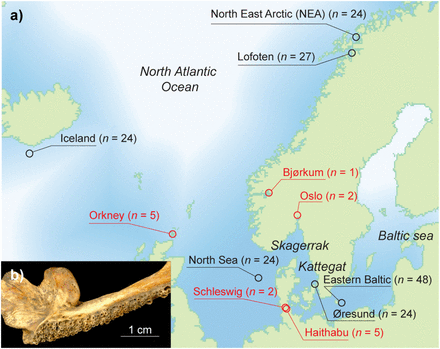
    The researchers say that the Haithabu bones provide the earliest evidence of fish caught in northern Norway being consumed in mainland Europe, which suggests that the European fish trade over significant distances has been in operation for a millennium.

    Fish DNA

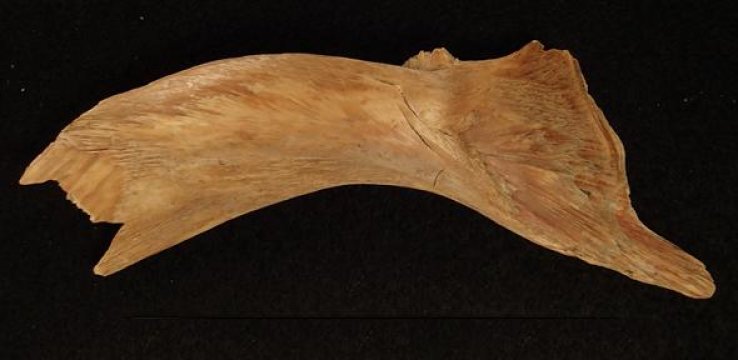
    The researchers learned that although ancient mammal DNA seems to be preserved best in extremely dense bones, that doesn’t seem to be the case with fish. Cod have very porous bones, and yet their DNA was extremely well-preserved, allowing the researchers to match small mutations in ancient sequences to modern ones.
    The researchers believe that the very same method of analysis, studying DNA in fish bones from different times and populations, could become useful in other contexts. For example, it can give us an idea of how different fish species adapted to changes in their habitat.

    Reference:

    Bastiaan Star et al. Ancient DNA reveals the arctic origin of the viking age cod from Haithabu, Germany, 2017. PNAS. Doi: 10.1073 / pnas.1710186114

    Germany Norse Norway Vikings
    Share. Facebook Twitter Pinterest LinkedIn Tumblr Email Copy Link

    Related Posts

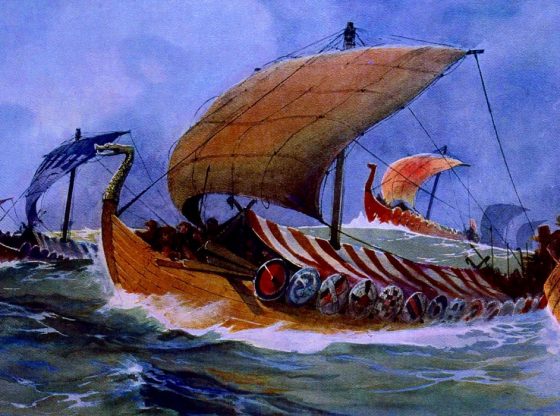
    Vikings Were in the Americas Exactly 1,000 Years Ago

    October 25, 2021

    The DNA Fingerprint of the Vikings is Found All Over Europe

    October 12, 2020

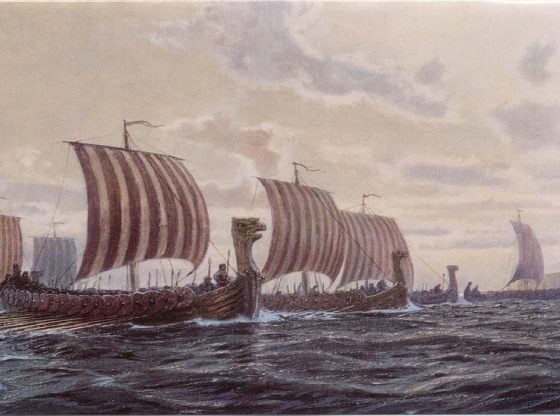
    The Game-Changing Swedish Warship That Sank in Its First Battle

    January 15, 2020

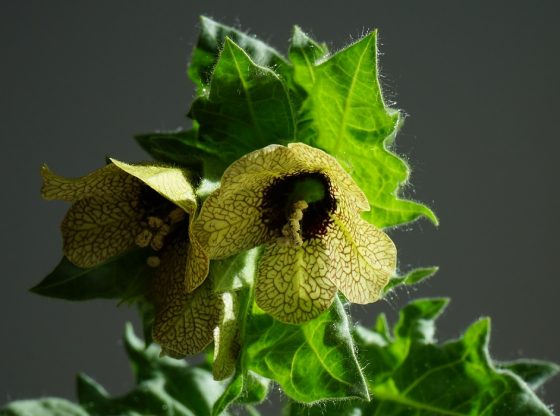
    Henbane Made the Vikings Go Berserk

    October 7, 2019

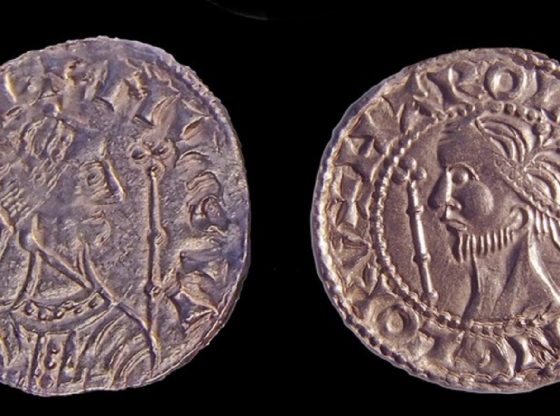
    Hoard of 1,000-Year-Old Coins Found By Metal Detecting Couple In England

    September 9, 2019

    Ireland’s Population in ‘Serious Decline’ before Vikings’ Arrival

    September 5, 2019
    Recent Posts
    • The Day the Alliance Died
    • Evaluating Heart Disease: How Cumulative Diet Choices Compound Your Risk
    • What Would Happen If China Attacked Taiwan?
    • Geopoliticisation as a Structural Tailwind for Commodity Prices
    • America’s Economic Remodel: Who’s Really Paying the Bill?
    • Why Inflation May Be Preparing for a Second Act
    • How the End of Bretton Woods Reshaped Our Economies — and Our Politics
    • Can the U.S. Really Handle 250% Debt-to-GDP? Why Jackson Hole’s Daring Paper Is Wrong
    • Japan’s Fiscal Trap: What Happens If Austerity Is No Longer an Option?
    • The Rise of Range Extended Electric Vehicles (REEVs): A New Era of Hybrid Mobility
    © 2025 Illustrated Curiosity

    Type above and press Enter to search. Press Esc to cancel.