
Researchers have always assumed that the remains of an individual found in the Viking town of Birka were from a warrior and a man. But a new analysis reveals that this warrior was actually a woman.
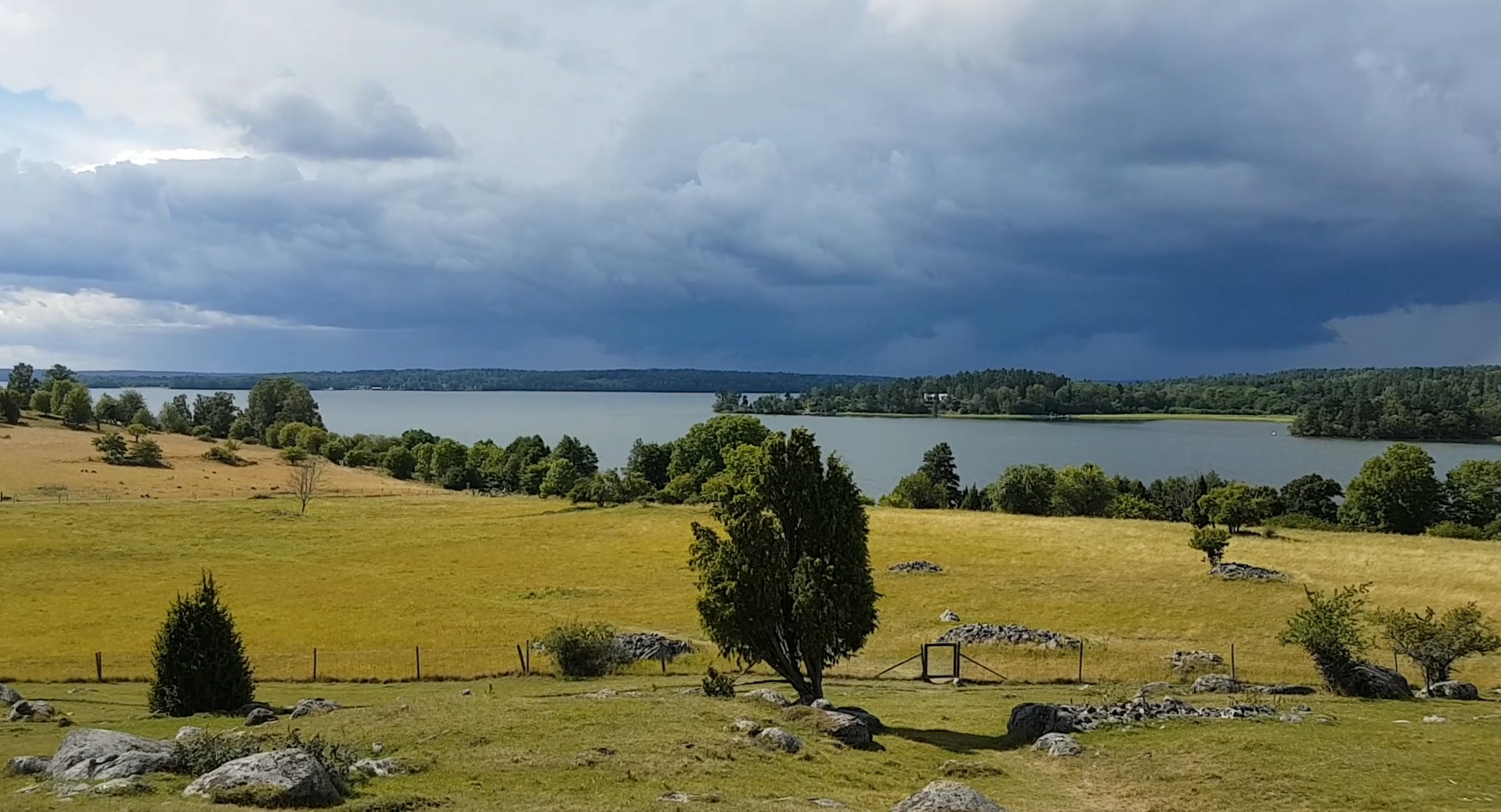
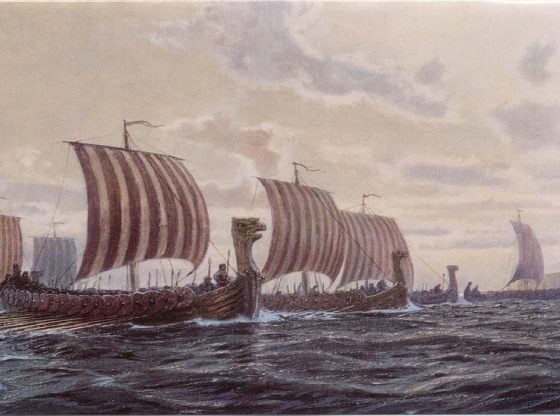
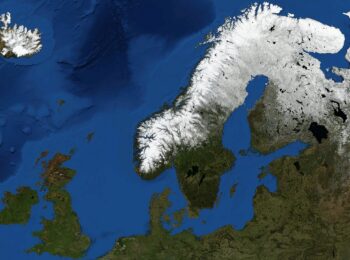
Birka is commonly known as one of Sweden’s first cities, it is a world heritage site where many important discoveries from the Viking era have been found. Birka was located on an island “Björkö” in an inland sea “Mälaren” just to the west of Stockholm.
A model of Viking warrior graves
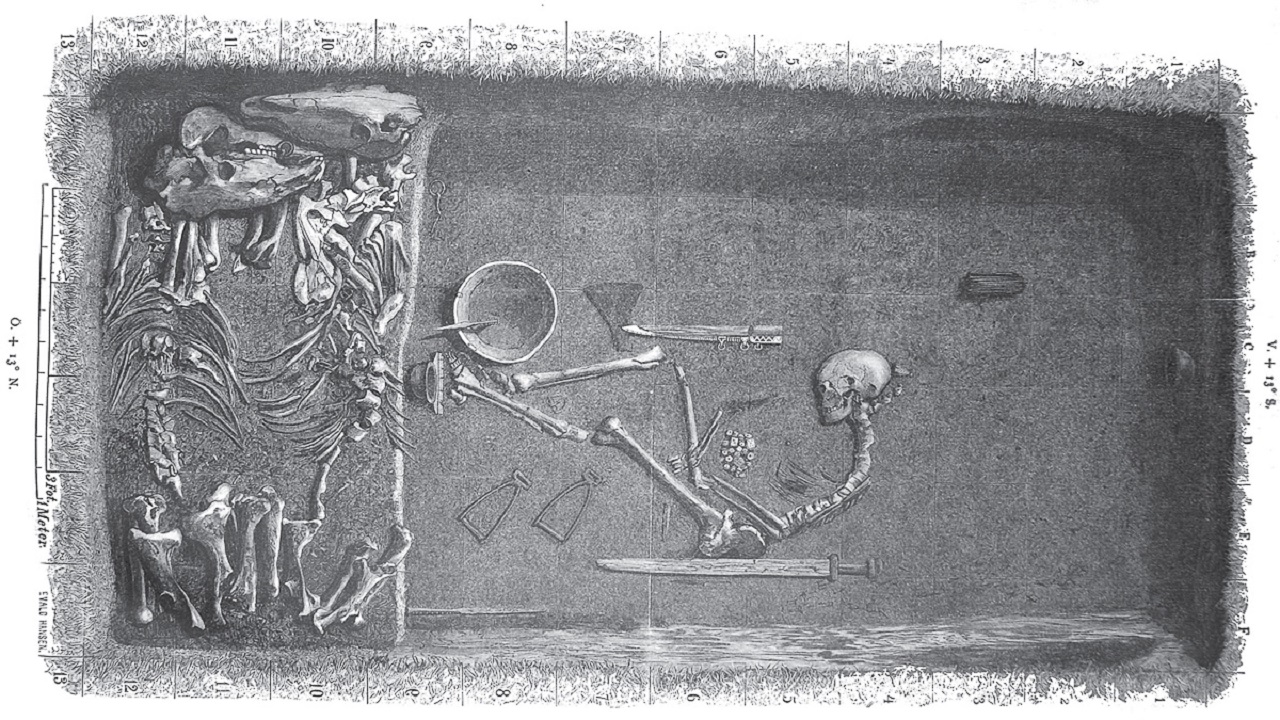
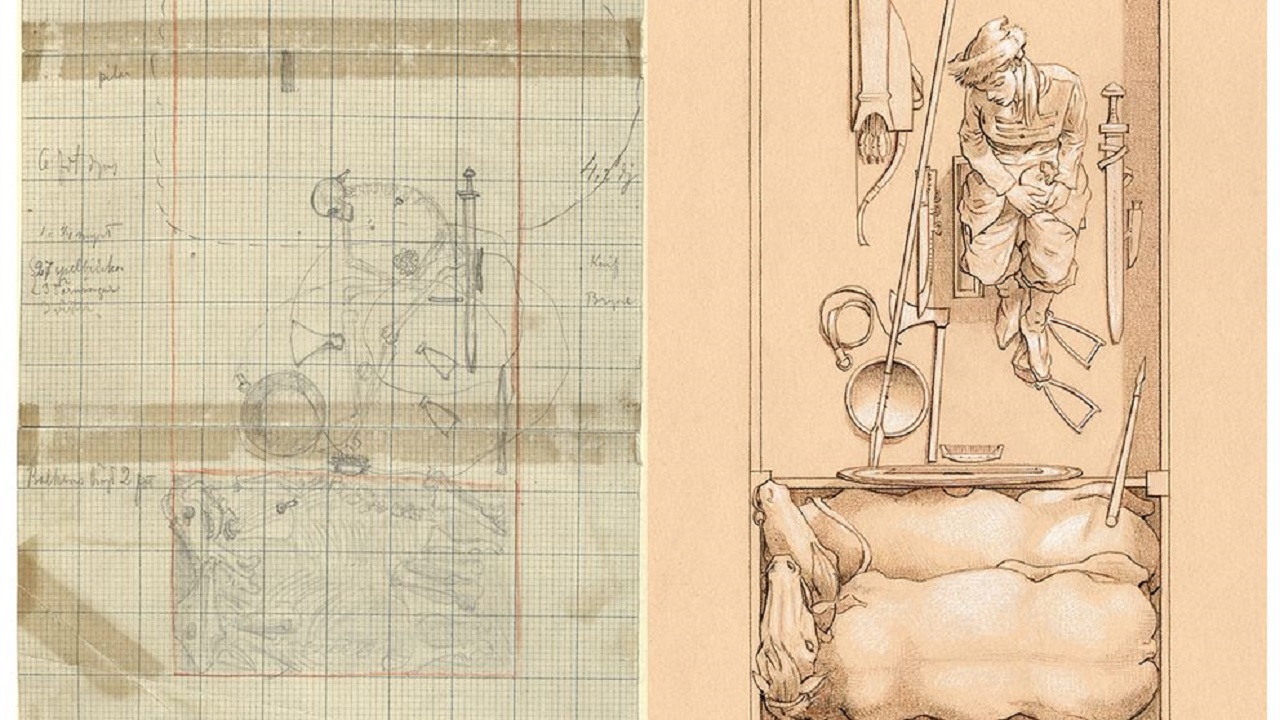
One particular grave found at Birka is one of the Birka’s premier archaeological sites, unearthed in the 19th century by archaeologists, who also made extensive drawings, depicting it as it was then found.
There were lots of valuable grave gifts that includes weapons such as swords, arrows, shields, and spears. There were also the remains of two horses and the skeleton of another human.
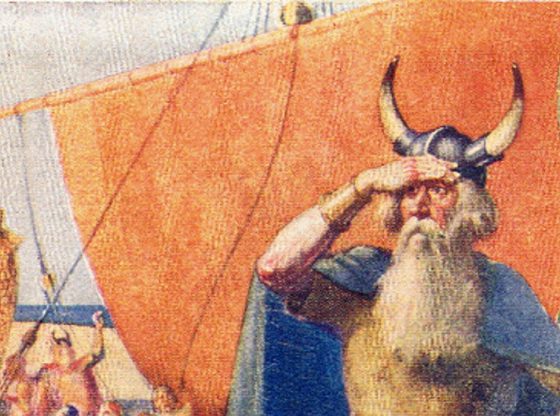
It is one of the most well-endowed graves ever found in Birka, this person was, therefore, assumed to have been a high-status individual and judging by the extensive amounts of weapons found, a warrior. The grave has since served as a model of how graves of professional Viking warriors looked.
DNA analysis
Back then, the archaeologists took it for granted that the individual was a man, given such an impressive and well-equipped grave, buried will so so many typical male ‘warrior’ objects.
But, researchers at Uppsala University examined the skeleton, the osteology analysis shows that this individual was in fact not a man, but a woman. Her pointy lower jaw and hip clearly have feminine features.
But to be completely sure, the researchers did a DNA analysis. They also took isotopes that enable tracking the geographical origins of the individual.
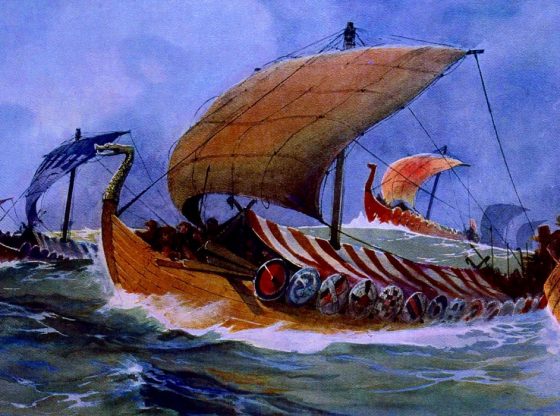
The DNA analysis showed that it is indeed a woman and she seems to have been traveling a lot during her younger years, across Scandinavia and the Baltics.
A warrior leader
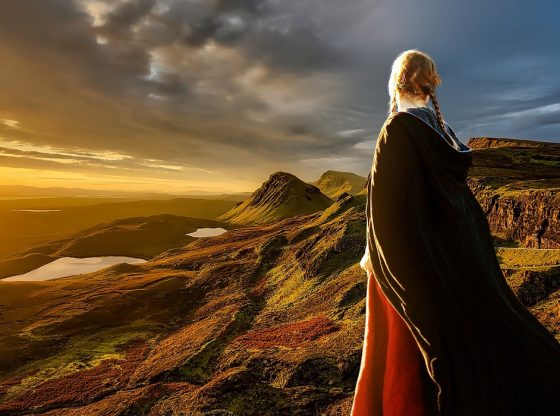
Viking women warriors called shieldmaidens are mentioned in the Viking sagas, but archeological evidence has been lacking, until now. The Swedish researchers have made a sensational discovery: A female Viking warrior, a shieldmaiden, and probably a leader.
The presence of horses, as well as a gaming board and game pieces, indicate a high-ranking leader who was likely involved with strategy and battle tactics.
This board game is a tactical game believed to have been an educational game for warrior leaders and could be interpreted to signal this persons ability to plan battles and strategize.
The archeological evidence also suggests that this woman belonged to the upper ruling class in Birka during the 9th century – and perhaps this fact enabled her to climb so high as a leader.
This Birka warrior is not the first to be identified as a woman. Two warriors from the Viking age unearthed in the early 1900s in Norway was later also proven to be women after DNA testing was conducted of the skeleton remains.
Shieldmaidens
The most famous shieldmaidens are those mentioned in The Saga of Hervör and Heidrek (which also served to inspire Tolkien). Also Brynhild (Brynhildr) in the Völsunga Saga. And besides the Viking sagas, archaeological excavations throughout Scandinavia have uncovered amulets theorized as depicting valkyries.
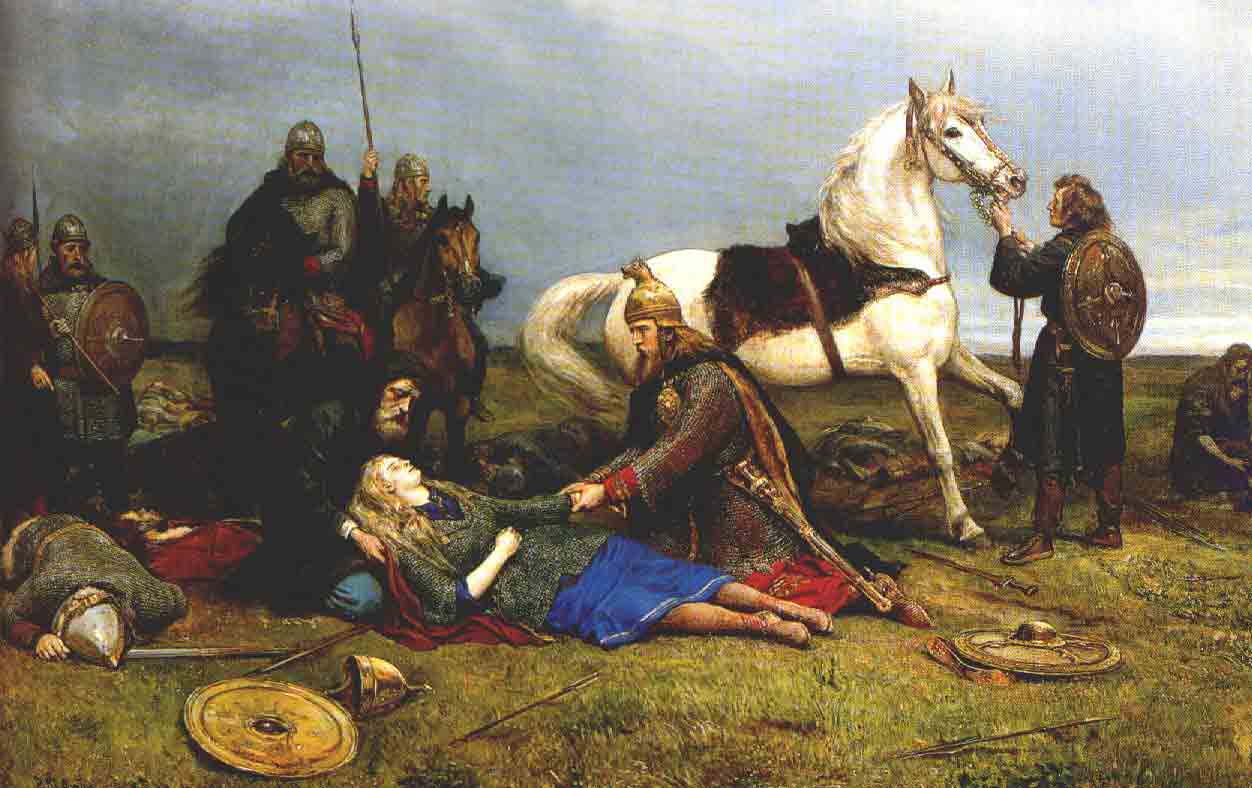
Brynhild is also described as a Valkyrie, female warriors that brought those chosen from battle to the afterlife hall of the slain, Valhalla, ruled over by the god Odin.
Female warriors are also mentioned by Saxo Grammaticus – three hundred of which fought on the Danish side in the Battle of Brávellir. Then there are numerous accounts from ancient writers of women fighting with Germanic and Celtic tribes against the Romans, the Cimbri, Teutons, and the Goths.
The historical existence of shield maidens has been debated, but the recent findings offer evidence of at least one Viking age warrior leader that just also happened to be female.
The researchers’ article on the Birka warrior woman has been published in the American Journal of Physical Anthropology.
Reference:
Charlotte Hedenstierna-Jonson, Anna Kjellström, Torun Zachrisson, Maja Krzewińska, Veronica Sobrado, Neil Price, Torsten Günther, Mattias Jakobsson, Anders Götherström, Jan Storå A female Viking warrior confirmed by genomics DOI: 10.1002/ajpa.23308