Close Menu
Illustrated Curiosity | Economics, History, Science, Space, Technology, Health, Physics, Earth
    Facebook X (Twitter) Instagram YouTube
    Illustrated Curiosity | Economics, History, Science, Space, Technology, Health, Physics, Earth
    • Earth
    • Economics
    • Environment
      • Environmental Tech
      • Pollution
      • Wildlife
    • Health
      • Health Tech
      • Medicine
      • Nutrition
      • Exercise
    • History
      • Prehistory
      • Ancient History
      • Postclassical Era
      • Modern History
    • Humans
      • Human Brain
      • Psychology
    • Life
      • Animals & Plants
      • Genetics
      • Paleontology
      • Evolution
      • Genetic Engineering
    • Physics
    • Space
      • Astrobiology
      • Astronomy
      • Extrasolar Planets
      • Space Tech
      • Spaceflight
    • Technology
      • Artificial Intelligence
      • Energy
      • Engineering
      • Materials
      • Robotics
      • Vehicles
    Illustrated Curiosity | Economics, History, Science, Space, Technology, Health, Physics, Earth
    Home » The brains of children with and without siblings are different
    Psychology

    The brains of children with and without siblings are different

    October 26, 20173 Mins Read
    Illustration: Illustrated Curiosity
    Share
    Facebook Twitter LinkedIn Pinterest Email

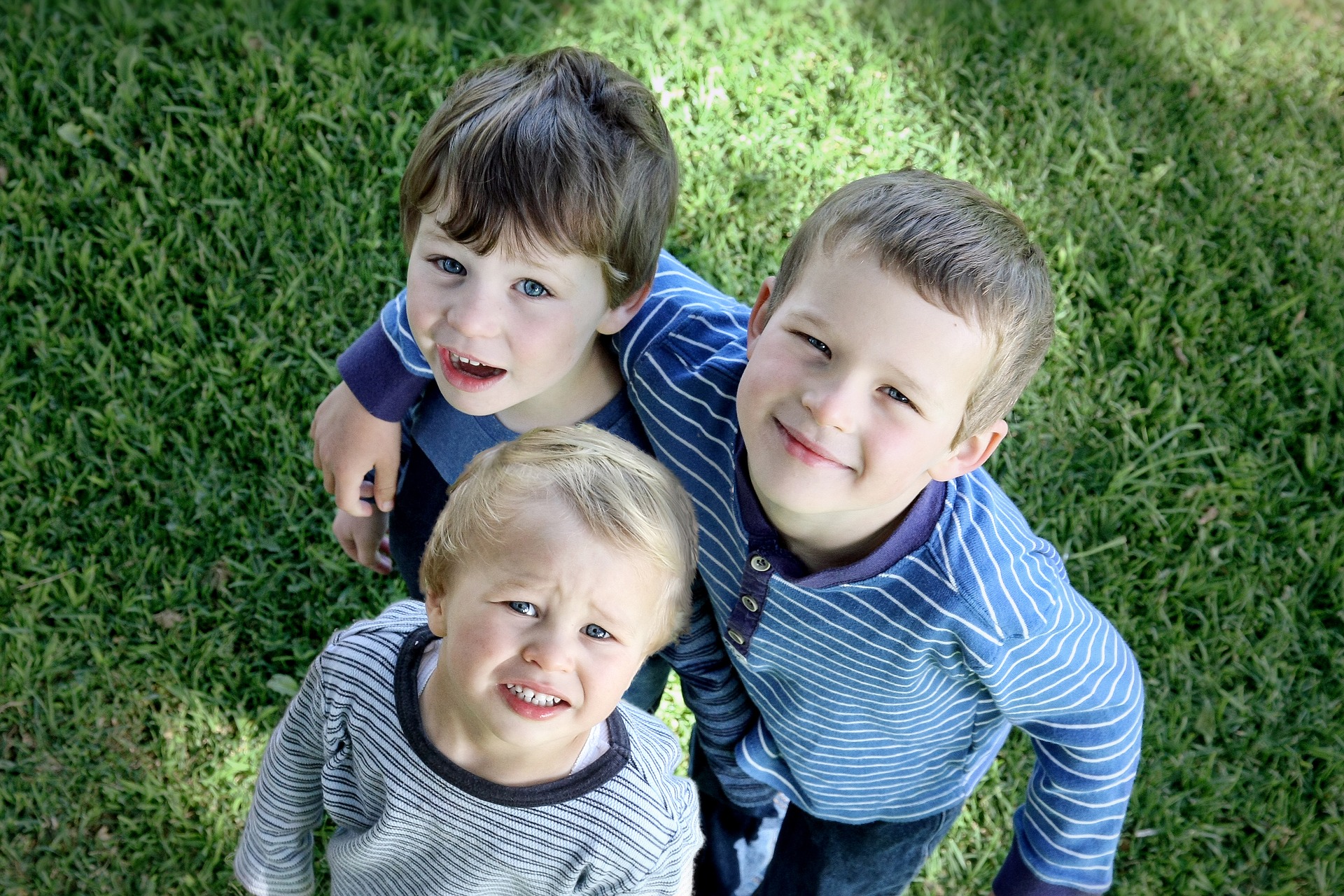
    New research suggests that only children may be more creative but can also face greater challenges in social interaction and emotional regulation.

    China’s one-child policy, in place from 1979 to 2015, was introduced to control population growth and resulted in a significant rise in the number of only children. Researchers in China have now examined how growing up without siblings may influence personality, behavior, and brain development.

    The study analyzed 250 university students, roughly half of whom were only children. Researchers assessed their personality, intelligence, and creativity while also conducting brain scans.

    The findings revealed noticeable differences between students who grew up as only children and those with siblings, both in behavior and brain structure—particularly in the amount of gray matter, which is associated with information processing in the brain.

    Students who grew up without siblings showed greater development in brain regions linked to creativity. They had more gray matter in the parietal lobe, a region associated with imagination and creative thinking.

    However, the study also found that only children tended to score lower on measures of agreeableness, a personality trait related to cooperation and social harmony. Brain scans showed reduced gray matter in the medial prefrontal cortex, an area involved in empathy and social understanding—specifically how we think about ourselves in relation to others.

    According to the researchers, these differences may help explain why only children sometimes find it more difficult to regulate emotions or navigate social interactions. The results suggest that growing up with or without siblings may influence the development of certain brain structures.

    One possible explanation is that children with siblings are more exposed to everyday social interactions such as sharing, negotiating, and resolving disagreements. These experiences may strengthen social skills. Only children, by contrast, may have fewer opportunities for such interactions during childhood.

    Family dynamics may also play a role. Only children often carry the full expectations of their parents and may take on more roles within the family, while children with siblings share responsibilities and social experiences.

    Despite the social differences observed in the study, previous research has frequently shown that only children tend to achieve strong developmental outcomes, often demonstrating higher intelligence and creativity, which may translate into academic success.

    Reference:
    Yang, J., Hou, X., Wei, D., Wang, K., Li, Y., & Qiu, J. “Only-child and non-only-child exhibit differences in creativity and agreeableness: evidence from behavioral and anatomical structural studies.” Brain Imaging and Behavior, April 2017, Volume 11, Issue 2, pp. 493–502.

    Share. Facebook Twitter Pinterest LinkedIn Tumblr Email Copy Link

    Related Posts

    Suppressing Negative Feelings Around Kids May Be Wrong Advice

    December 11, 2018

    Virtual Reality Therapy Can Help People Overcome Fear of Heights

    August 23, 2018

    Good Relationships with Siblings May Protect Against the Effects of Family Conflict

    July 19, 2018

    Testosterone Makes Men Choose ‘Status Brands’

    July 12, 2018

    New Research Shows That There May Be Several Types of Schizophrenia

    April 26, 2018

    We Rather Spread False News Than True News, Study Shows

    March 26, 2018
    Recent Posts
    • The Strait of Hormuz Dilemma: Power, Energy, and an Irreversible Turning Point
    • Eggs, Cholesterol, and Heart Disease: What the Science Actually Says in 2026
    • Oil Shocks, Policy Mistakes, and the Risk of a Second Inflation Wave (Part II)
    • Oil Shocks, Policy Mistakes, and the Risk of a Second Inflation Wave (Part I)
    • Microsoft Stored a Movie on Glass — And It Could Last Centuries
    • AI, Automatic Stabilizers & Inflation
    • Largest Battles in History: Cannae — Rome’s Darkest Day
    • The Day the Alliance Died
    • Evaluating Heart Disease: How Cumulative Diet Choices Compound Your Risk
    • What Would Happen If China Attacked Taiwan?
    © 2025 Illustrated Curiosity

    Type above and press Enter to search. Press Esc to cancel.