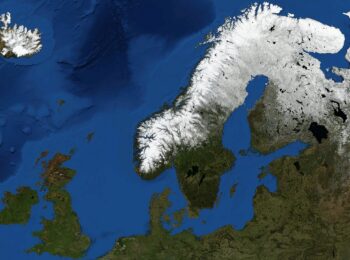

Volcanic eruptions in the northern hemisphere may have caused unrest and war in ancient Egypt. This, according to a new study published in Nature Communications.
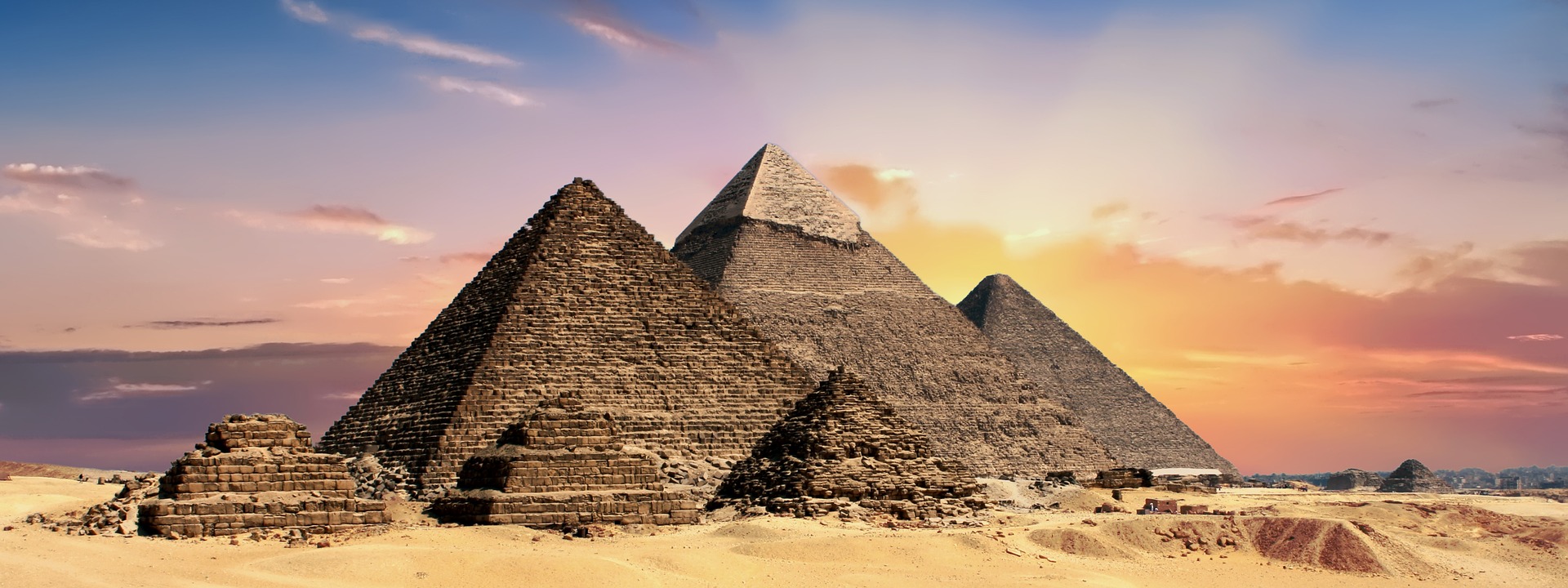
A new cross-discipline study link paleoclimatology – the reconstruction of past global climates – with historical analysis. Researchers at Yale and other institutions show how environmental stress impact the economy, political stability, and war-fighting capacity of ancient Egypt.
They show how volcanic eruption released particles that reduce solar radiation and lowered the average temperature in the northern hemisphere. This lower temperature, in turn, caused the African monsoon to get weaker, resulting in less rainfall over the Ethiopian highlands.
Since the African monsoon feeds the Nile with much of its water, a decreased water flow had serious consequences for Egyptian society, which was completely dependent on the great river for its agriculture.
Using an interdisciplinary approach that combined evidence from climate modelling of large 20th-century volcanic eruptions, annual measurements of Nile summer flood heights from the Islamic Nilometer between 622 and 1902, as well as descriptions of Nile flood quality in ancient papyri and inscriptions from the Ptolemaic era, the researchers show how large volcanic eruptions impacted on Nile river flow, reducing the height of the agriculturally-critical summer flood.
“Ancient Egyptians depended almost exclusively on Nile summer flooding brought by the summer monsoon in East Africa to grow their crops. In years influenced by volcanic eruptions, Nile flooding was generally diminished, leading to social stress that could trigger unrest and have other political and economic consequences,”
– Joseph Manning, lead author on the paper and the William K. & Marilyn Milton Simpson Professor of History and Classics at Yale.
A series of sulfur spikes, found in ice-cores recovered from the Arctic, suggests that at least two volcanic eruptions happened in 46 and 44 B.C.
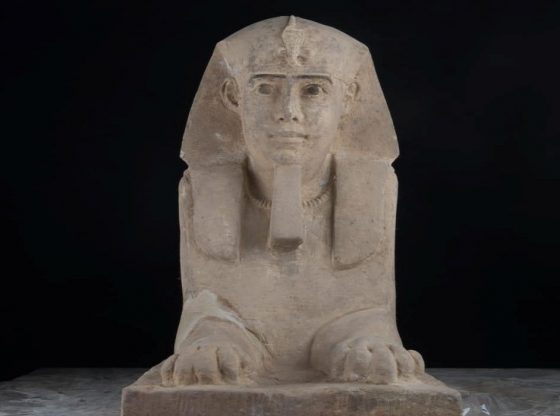
The Ptolemaic Kingdom (305 BCE to 30 BCE) and its Hellenistic rulers fought native rebellions more than once and were involved in many foreign and civil wars that led to the decline of the kingdom and its final annexation by Rome.
Reference:
Ludlow et al. “Volcanic suppression of Nile summer flooding triggers revolt and constrains interstate conflict in ancient Egypt“. Nature Communications, October 2017. Doi: 10.1038 / s41467-017-00957-y.