
Researchers know that there have been two short-statured human populations on the Indonesian island of Flores and has thus evolved twice. Now, American researchers have investigated whether the pygmy population inherits genes from the prehistoric species Homo floresiensis.
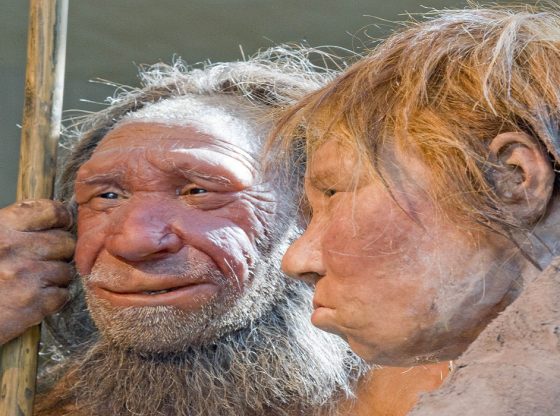
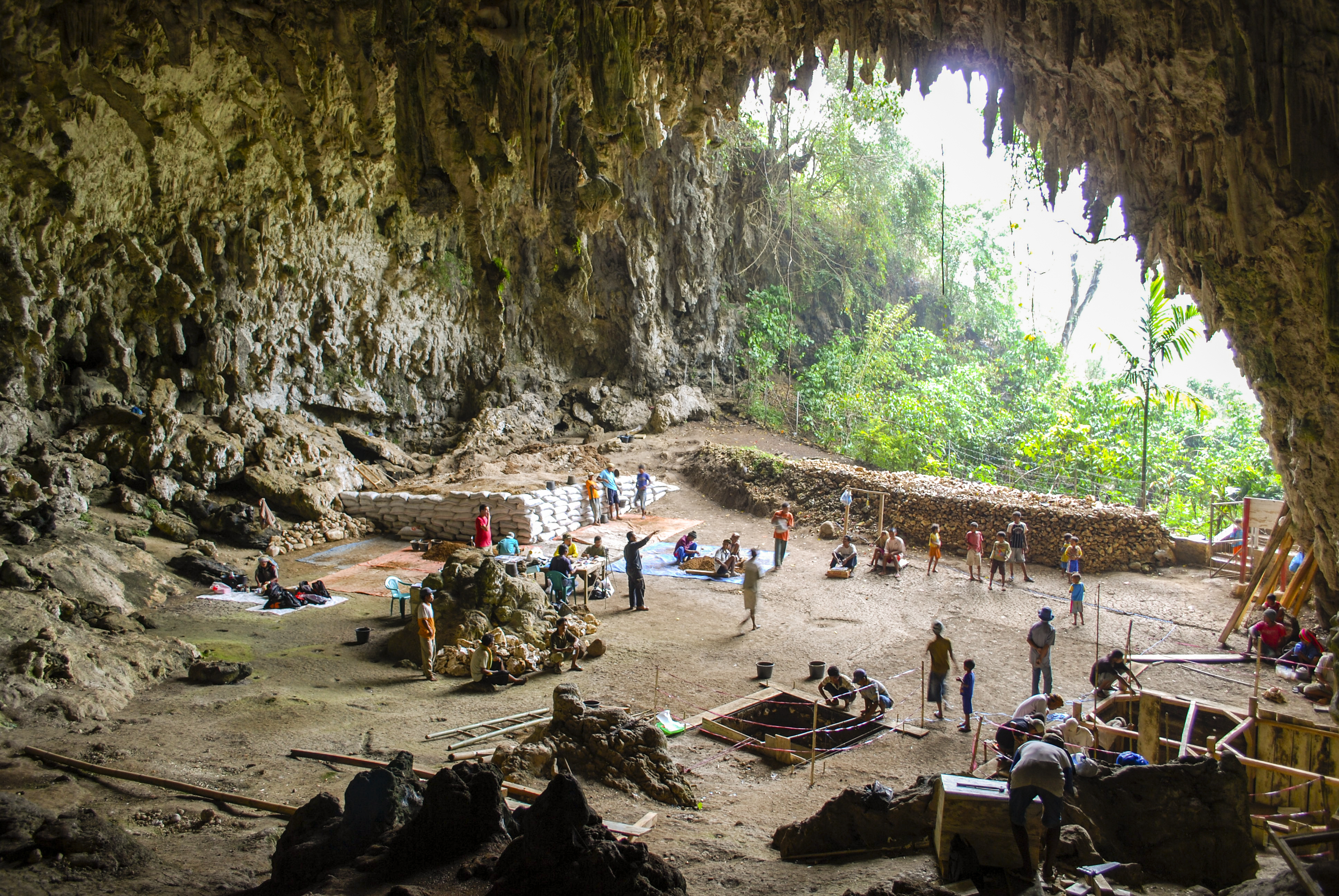
A fossil skeleton found in a cave on Flores Island, Indonesia, in 2004 turned out to be a previously unknown, very small species of human. Nicknamed the “hobbit” (officially Homo floresiensis), it remains a mysterious species with an unknown relationship to modern humans.
The current inhabitants of Flores include a pygmy population living in a village near the Liang Bua cave where the fossils were found. An international team of scientists has now sequenced and analyzed the genomes of 32 people in this population. The analysis revealed evolutionary changes associated with diet and short stature in the pygmy population, but the researchers found no evidence of genetic elements that might have come from H. floresiensis.
A short stature has thus occurred twice on the island, according to the study. H. floresiensis was significantly shorter than the modern Flores pygmies, standing just above 1 meter tall (about 3.5 feet), while modern pygmies average about 40 centimeters (15 inches) taller.
As no one has been able to recover DNA from the fossils of Homo floresiensis (nicknamed the “hobbit”), researchers had to create a tool for finding archaic genetic sequences in modern DNA.
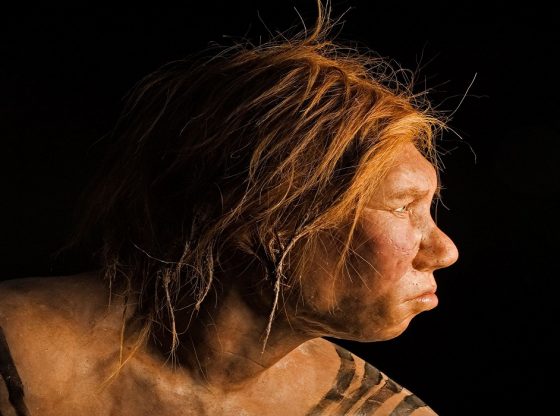
“In your genome — and in mine — there are genes that we inherited from Neanderthals,”
“Some modern humans inherited genes from Denisovans [another extinct species of humans], which we can check for because we have genetic information from Denisovans.”
“But if you want to look for another species, like Floresiensis, we have nothing to compare, so we had to develop another method: We ‘paint’ chunks of the genome based on the source. We scan the genome and look for chunks that come from different species — Neanderthal, Denisovans, or something unknown.”
“They definitely have a lot of Neanderthal,”
” “They have a little bit of Denisovan. We expected that, because we knew there was some migration that went from Oceania to Flores, so there was some shared ancestry of these populations.”
“But there were no chromosomal “chunks” of unknown origins.”
– Serena Tucci, a postdoctoral research associate at Lewis-Sigler Institute for Integrative Genomics at Princeton University.
This may indicate that Homo floresiensis went extinct before modern people came to the island, or possibly the two species were so different that they were unable to have offspring.
The evolution of reduced body size in large mammals isolated on islands is a common phenomenon, often attributed to limited food resources and freedom from predators. At the time of H. floresiensis, Flores was also home to a dwarf elephant related to a now extinct species of mainland elephant. In general, large species tend to get smaller and small species tend to get larger on islands. The Flores giant rat is an example of the latter tendency.
Reference:
Tucci S. et al. Evolutionary history and adaptation of a human pygmy population of Flores Island, Indonesia. Science August 2, 2018. DOI: 10.1126 / science.aar8486.