Close Menu
Illustrated Curiosity | Economics, History, Science, Space, Technology, Health, Physics, Earth
    Facebook X (Twitter) Instagram YouTube
    Illustrated Curiosity | Economics, History, Science, Space, Technology, Health, Physics, Earth
    • Earth
    • Economics
    • Environment
      • Environmental Tech
      • Pollution
      • Wildlife
    • Health
      • Health Tech
      • Medicine
      • Nutrition
      • Exercise
    • History
      • Prehistory
      • Ancient History
      • Postclassical Era
      • Modern History
    • Humans
      • Human Brain
      • Psychology
    • Life
      • Animals & Plants
      • Genetics
      • Paleontology
      • Evolution
      • Genetic Engineering
    • Physics
    • Space
      • Astrobiology
      • Astronomy
      • Extrasolar Planets
      • Space Tech
      • Spaceflight
    • Technology
      • Artificial Intelligence
      • Energy
      • Engineering
      • Materials
      • Robotics
      • Vehicles
    Illustrated Curiosity | Economics, History, Science, Space, Technology, Health, Physics, Earth
    Home » Neanderthals’ Big Noses Helped them Cope with the Cold
    Genetics

    Neanderthals’ Big Noses Helped them Cope with the Cold

    May 9, 20182 Mins Read
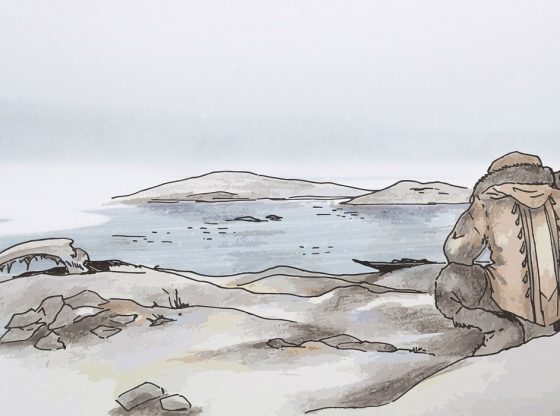
    Illustration by Illustrated Curiosity
    Share
    Facebook Twitter LinkedIn Pinterest Email

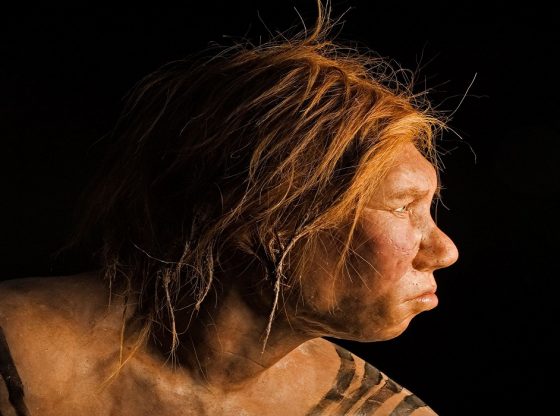
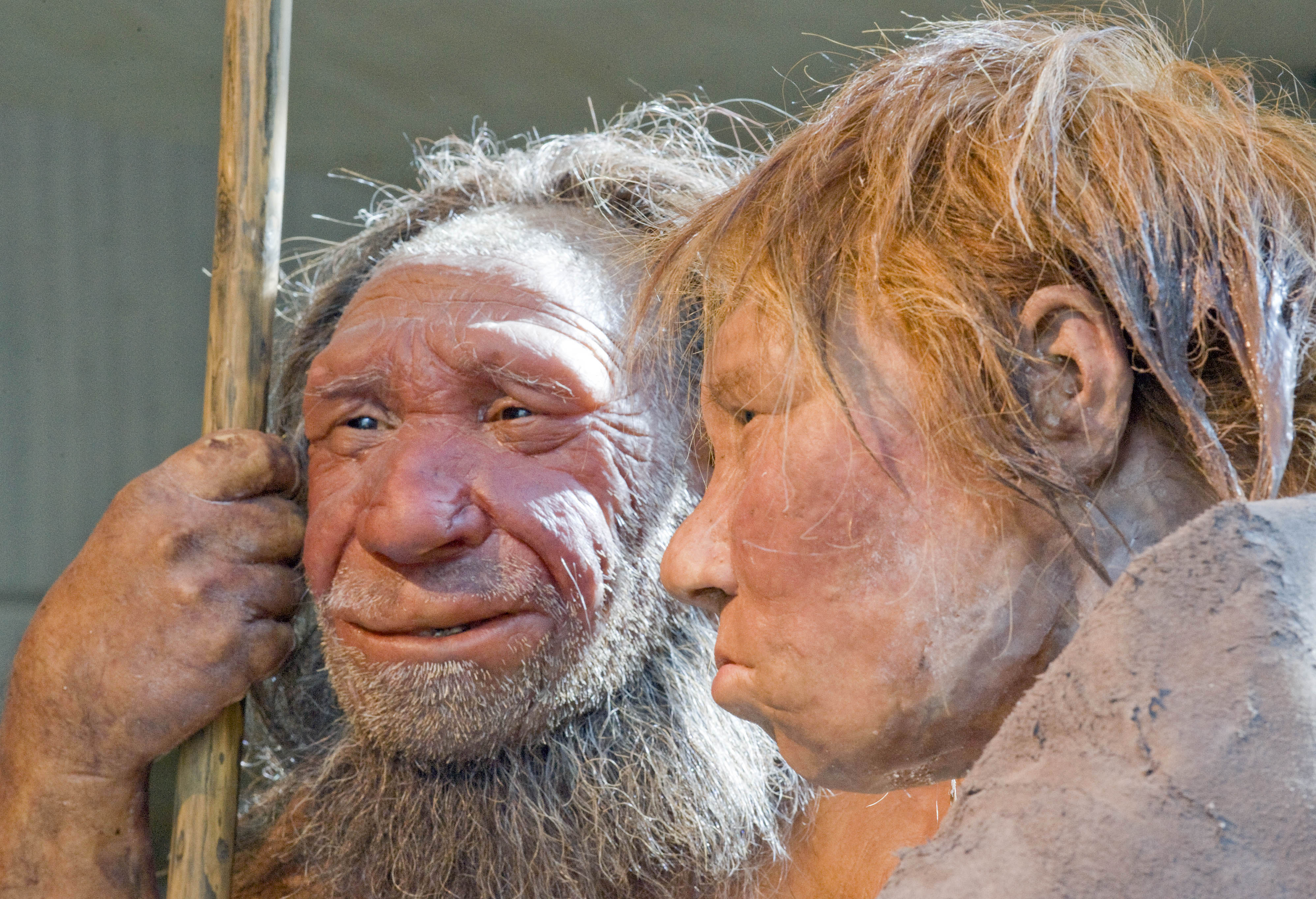
    Neanderthals are our cousins from the past; they were slightly shorter in height but probably stronger. In addition, they had some very distinct facial features. New research shows that their noses might have been better than ours.

    They are often depicted with powerful muscles, bushy eyebrows, big noses, and a coarse jaw. But scientists have long been asking: did their distinctive facial features have an evolutionary purpose?

    Now, paleontologists and biologists have come up with an answer. Their research shows that the powerful jawbones of the Neanderthals probably did not endow them with a stronger bite as it has been theorized, but their noses could have been specially designed to cope with colder climates.

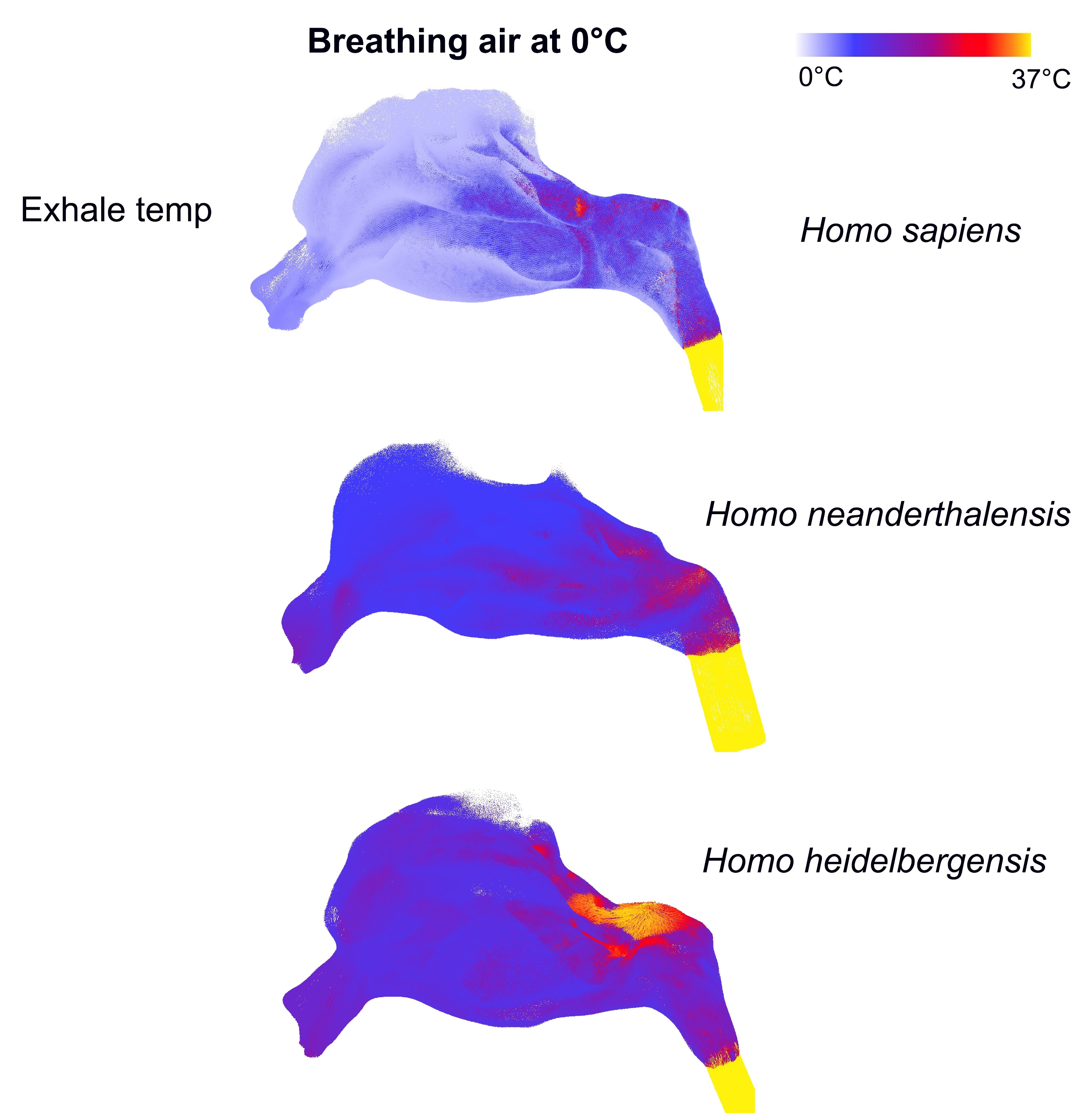
    To investigate the evolutionary function of the neanderthal’s facial features, the researchers compared fossils from three different human species. Then, using 3D technology and special computer programs, they could easily see what anatomical differences the skulls had.

    In total, eleven bones were used from modern humans, three from Neanderthals, and a skull from the prehistoric man, Homo Heidelbergensis. The researchers first examined whether the new models showed a correlation with the large jaws of the Neanderthals and a stronger biting force, but they didn’t.

    On the other hand, the models may point to the fact that the Neanderthal nose, or more specifically the nasal cavity, was adapted to convert large amounts of cold and dry air. And maybe they were twice as good at breathing compared to us.

    The Neanderthals seem to have been adapted to a cold climate. And the ability to breathe in an energy-efficient manner was definitely better suited to Europe’s climate than modern people are.

    Reference:

    Stephen Wroe, William C. H. Parr, Justin A. Ledogar et al. Computer simulations show that Neanderthal facial morphology represents adaptation to cold and high energy demands, but not heavy biting DOI: 10.1098/rspb.2018.0085

    Share. Facebook Twitter Pinterest LinkedIn Tumblr Email Copy Link

    Related Posts

    Northern Europeans’ Genetic Pre-Historic is Repeated Genocide

    February 6, 2024

    Prehistoric Europeans Consumed Milk Thousands of Years Before Lactose Tolerance

    July 31, 2022

    Offspring of Neanderthal and Denisovan Identified for First Time

    August 28, 2018

    Modern Flores Island Pygmies Show No Genetic Link to Extinct ‘Hobbits’

    August 9, 2018

    Modern Humans Have Even More Neanderthal DNA Than We Thought

    October 6, 2017
    Recent Posts
    • The Day the Alliance Died
    • Evaluating Heart Disease: How Cumulative Diet Choices Compound Your Risk
    • What Would Happen If China Attacked Taiwan?
    • Geopoliticisation as a Structural Tailwind for Commodity Prices
    • America’s Economic Remodel: Who’s Really Paying the Bill?
    • Why Inflation May Be Preparing for a Second Act
    • How the End of Bretton Woods Reshaped Our Economies — and Our Politics
    • Can the U.S. Really Handle 250% Debt-to-GDP? Why Jackson Hole’s Daring Paper Is Wrong
    • Japan’s Fiscal Trap: What Happens If Austerity Is No Longer an Option?
    • The Rise of Range Extended Electric Vehicles (REEVs): A New Era of Hybrid Mobility
    © 2025 Illustrated Curiosity

    Type above and press Enter to search. Press Esc to cancel.