Close Menu
Illustrated Curiosity | Economics, History, Science, Space, Technology, Health, Physics, Earth
    Facebook X (Twitter) Instagram YouTube
    Illustrated Curiosity | Economics, History, Science, Space, Technology, Health, Physics, Earth
    • Earth
    • Economics
    • Environment
      • Environmental Tech
      • Pollution
      • Wildlife
    • Health
      • Health Tech
      • Medicine
      • Nutrition
      • Exercise
    • History
      • Prehistory
      • Ancient History
      • Postclassical Era
      • Modern History
    • Humans
      • Human Brain
      • Psychology
    • Life
      • Animals & Plants
      • Genetics
      • Paleontology
      • Evolution
      • Genetic Engineering
    • Physics
    • Space
      • Astrobiology
      • Astronomy
      • Extrasolar Planets
      • Space Tech
      • Spaceflight
    • Technology
      • Artificial Intelligence
      • Energy
      • Engineering
      • Materials
      • Robotics
      • Vehicles
    Illustrated Curiosity | Economics, History, Science, Space, Technology, Health, Physics, Earth
    Home » Indonesian Divers Have Evolved Bigger Spleens to Hunt Underwater
    Genetics

    Indonesian Divers Have Evolved Bigger Spleens to Hunt Underwater

    May 7, 20182 Mins Read
    Illustration: Illustrated Curiosity
    Share
    Facebook Twitter LinkedIn Pinterest Email

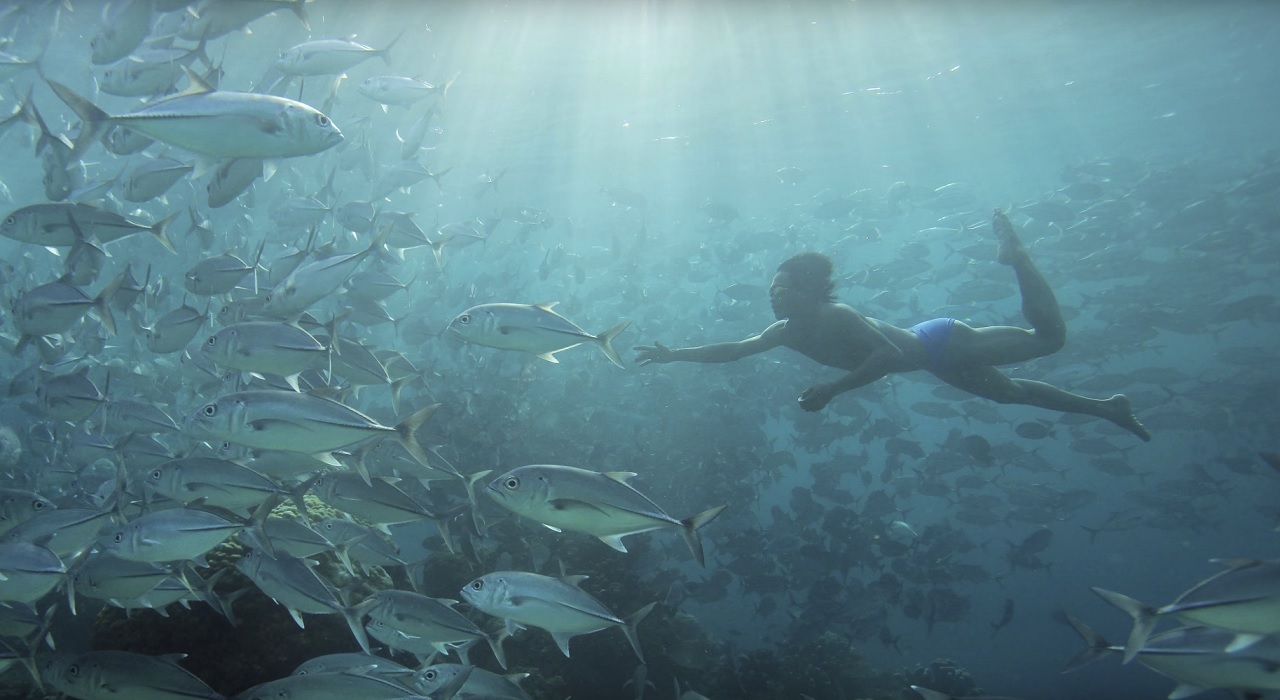
    An unusually big spleen is one of the secrets behind the Bajau people’s extraordinary ability to dive deep and for long durations.

    The Bajau people, living in Southeast Asia, are known to be able to dive to depths of up to 70 meters and for several minutes without any additional aids, other than stones used as sinks.

    Now, researchers have investigated whether there are any unique possibly genetic traits that enable this person to have this extraordinary ability.

    The study, published in the magazine Cell, involved just over 40 people from the Bajau people and almost as many from other peoples in neighboring areas of Indonesia.


    The study shows that members of the Bajau people have unusually large spleens. This organ can act as a red blood cell storage site, which, in turn, transports oxygen to the body’s cells.

    The researchers from the University of Utah in Salt Lake City used a portable ultrasound machine to measure the organs in 59 Bajau and 34 people from a nearby farming community. The Bajau’s spleens were 50% larger than those of their land-based neighbors on average.

    In addition, the researchers found some genetic changes that may indicate an adaptation to a life below the surface.

    The Bajau had 25 genes that differed from both the farmers and a large earlier study of Han Chinese. That makes the genes likely candidates for the evolutionary process known as natural selection. One such gene, PDE10A, has been shown to affect thyroid activity in mice, which in turn affects spleen size.

    The Bajau people have lived as seafarers and directly adjacent to the sea for at least a thousand years, according to the researchers behind the study. They live on houseboats in the waters around Malaysia, the Philippines, and Indonesia. Most drivers spend more than 60% of their 8-hour work days underwater, spearing fish, hunting sea cucumbers, and gathering black coral to fashion into jewelry.

    Another recent study showed that some genes help Tibetans, Ethiopians, and South Americans adapt to chronic oxygen deprivation at high altitude. Possibly derived from a group of extinct humans called Denisovans.

    Reference:

    Ilardo et al. “Physiological and Genetic Adaptations to Diving in Sea Nomads“. Cell, April 2018. Doi: https://doi.org/10.1016/j.cell.2018.03.054
    Denisovan Homo Denisovan Human Evolution Indonesia Malaysia Philippines Southeast Asia Spleen
    Share. Facebook Twitter Pinterest LinkedIn Tumblr Email Copy Link

    Related Posts

    Northern Europeans’ Genetic Pre-Historic is Repeated Genocide

    February 6, 2024

    Prehistoric Europeans Consumed Milk Thousands of Years Before Lactose Tolerance

    July 31, 2022

    Jawbone Fossil Reveals More About the Denisovans

    May 6, 2019

    Nemuri is the Gene That Puts Flies to Sleep and Helps Them Fight Infection

    February 15, 2019

    First Ancient DNA from Mainland Finland Reveals Origins of Siberian Ancestry in Region

    December 7, 2018

    First Mammal with Two Mothers Is Born as Gene-Editing Breakthrough Creates Mouse with No Father

    October 15, 2018
    Recent Posts
    • Oil Shocks, Policy Mistakes, and the Risk of a Second Inflation Wave (Part II)
    • Oil Shocks, Policy Mistakes, and the Risk of a Second Inflation Wave (Part I)
    • Microsoft Stored a Movie on Glass — And It Could Last Centuries
    • AI, Automatic Stabilizers & Inflation
    • Largest Battles in History: Cannae — Rome’s Darkest Day
    • The Day the Alliance Died
    • Evaluating Heart Disease: How Cumulative Diet Choices Compound Your Risk
    • What Would Happen If China Attacked Taiwan?
    • Geopoliticisation as a Structural Tailwind for Commodity Prices
    • America’s Economic Remodel: Who’s Really Paying the Bill?
    © 2025 Illustrated Curiosity

    Type above and press Enter to search. Press Esc to cancel.