Close Menu
Illustrated Curiosity | Economics, History, Science, Space, Technology, Health, Physics, Earth
    Facebook X (Twitter) Instagram YouTube
    Illustrated Curiosity | Economics, History, Science, Space, Technology, Health, Physics, Earth
    • Earth
    • Economics
    • Environment
      • Environmental Tech
      • Pollution
      • Wildlife
    • Health
      • Health Tech
      • Medicine
      • Nutrition
      • Exercise
    • History
      • Prehistory
      • Ancient History
      • Postclassical Era
      • Modern History
    • Humans
      • Human Brain
      • Psychology
    • Life
      • Animals & Plants
      • Genetics
      • Paleontology
      • Evolution
      • Genetic Engineering
    • Physics
    • Space
      • Astrobiology
      • Astronomy
      • Extrasolar Planets
      • Space Tech
      • Spaceflight
    • Technology
      • Artificial Intelligence
      • Energy
      • Engineering
      • Materials
      • Robotics
      • Vehicles
    Illustrated Curiosity | Economics, History, Science, Space, Technology, Health, Physics, Earth
    Home » Unearthed Trove of Eggs Shed Light on Pterosaur Development
    Paleontology

    Unearthed Trove of Eggs Shed Light on Pterosaur Development

    December 4, 20172 Mins Read
    Illustration: Illustrated Curiosity
    Share
    Facebook Twitter LinkedIn Pinterest Email


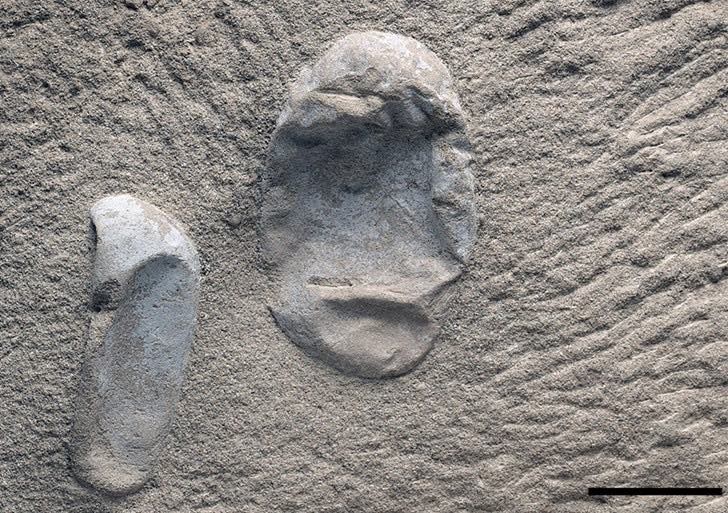
    More than 200 fossilized and largely intact pterosaur eggs have been discovered in China—an extraordinary find given that only a handful of well-preserved three-dimensional eggs had ever been uncovered before.

    The cache of eggs, belonging to the pterosaur species Hamipterus tianshanensis, has generated significant excitement within the scientific community. Their remarkable state of preservation offers an unprecedented window into the reproductive biology of these ancient flying reptiles.

    The eggs date back more than 120 million years and were unearthed along the shores of an ancient lake near Hami City in the Xinjiang Uygur Autonomous Region of northwestern China.

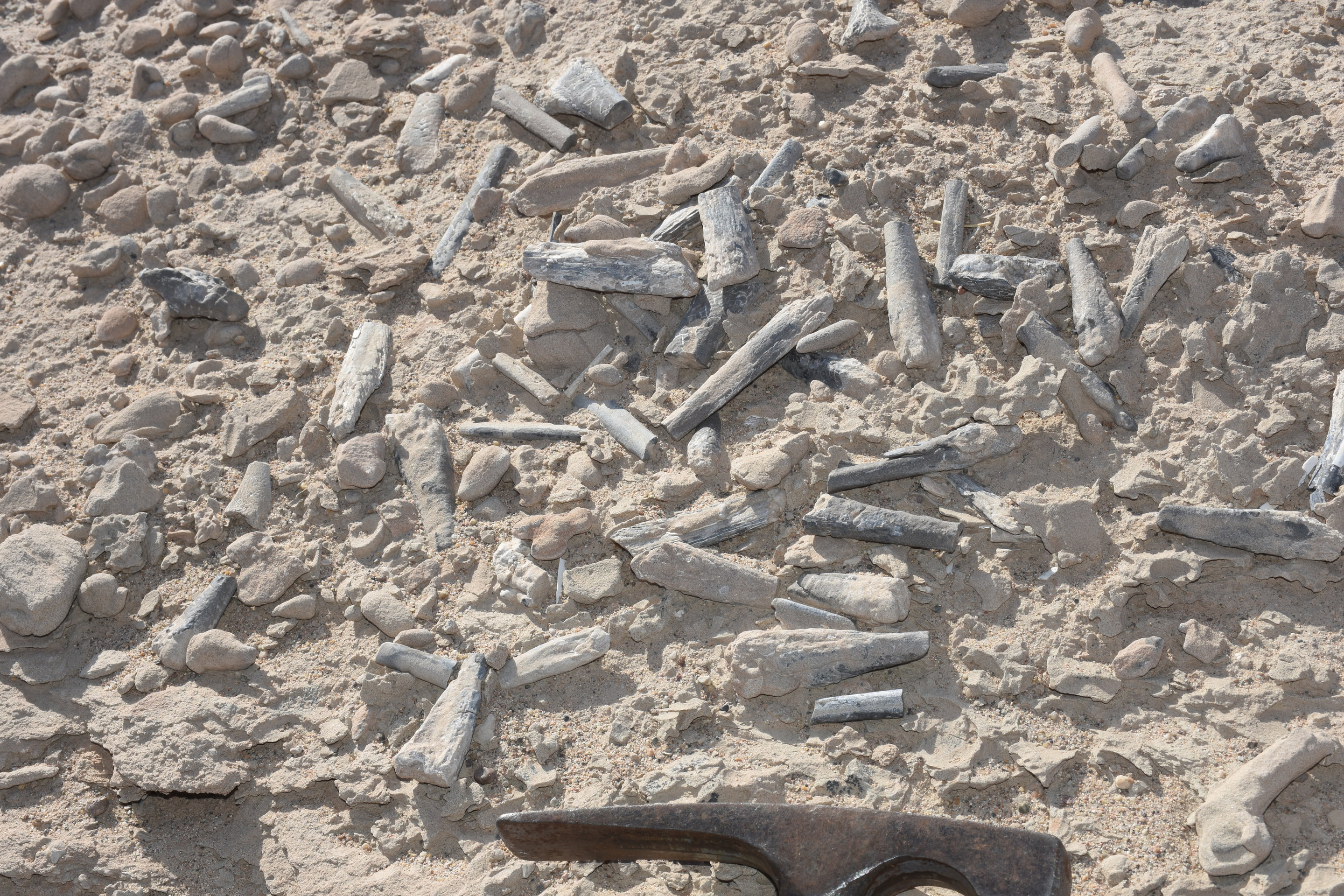
    Researchers believe the site once served as an ideal nesting ground for a colony of pterosaurs. At some point, however, the nesting area appears to have been buried suddenly—possibly by a powerful sandstorm. The eggs were found encased within a sandstone block roughly three meters long, which likely helped preserve them in near-pristine condition.

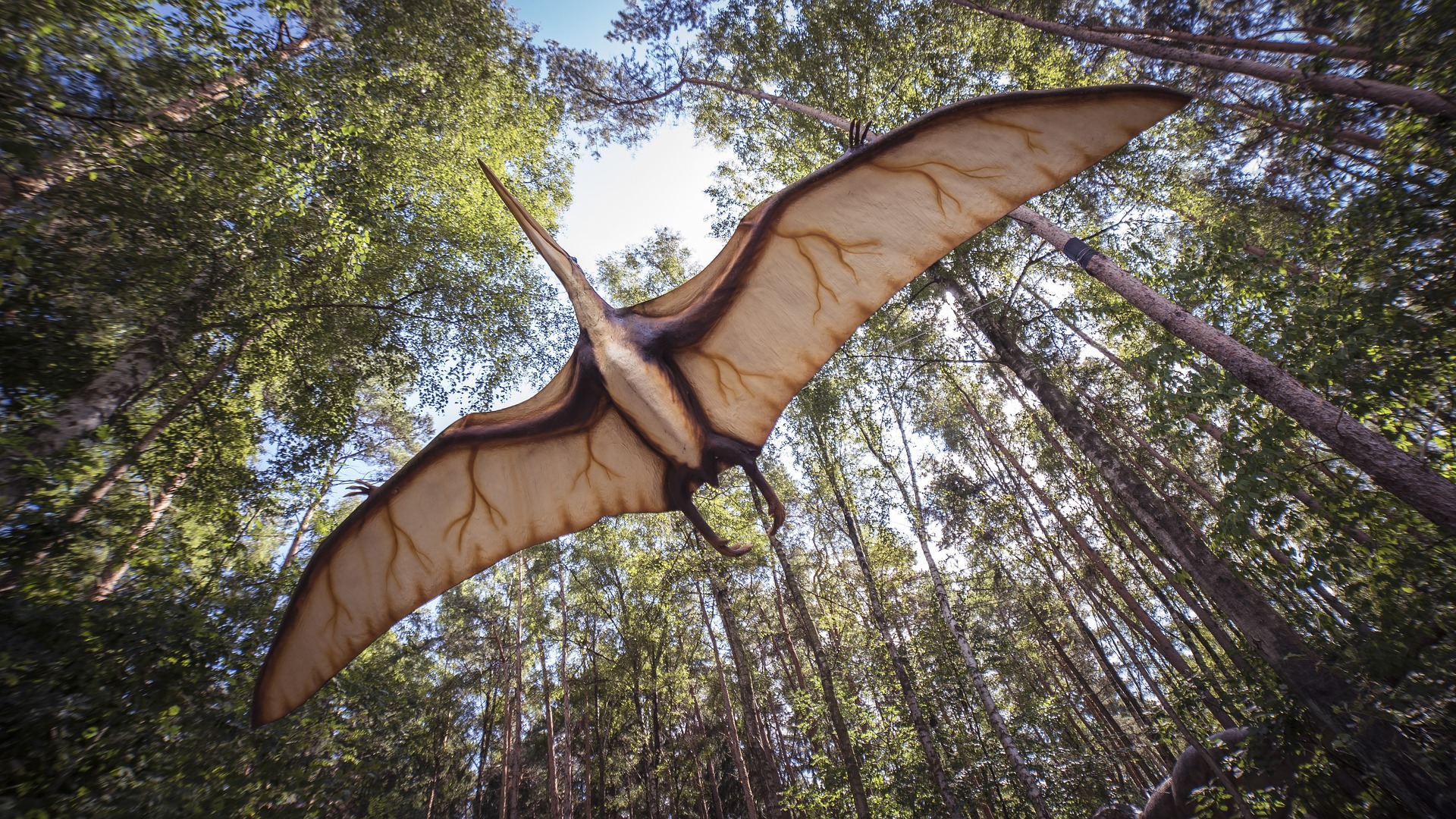
    Pterosaurs were flying reptiles belonging to the extinct order Pterosauria. They were the first vertebrates—after insects—to evolve powered flight, meaning they sustained flight by flapping their wings rather than merely gliding. Their wings consisted of a membrane made of skin, muscle, and connective tissue stretching from the ankles to an enormously elongated fourth finger.

    Pterosaur eggs are exceptionally rare in the fossil record. Previously, only a few three-dimensional specimens had been documented. Among the newly discovered eggs, 16 contained identifiable embryonic remains—something never before observed at this scale.

    One embryo preserved a partial wing along with cranial bones, including a complete lower jaw. Such embryonic fossils are crucial for understanding species development and evolutionary pathways. The discovery also suggests that these flying reptiles may have exhibited social behavior.

    Analysis of the embryos revealed that the skeletal structures supporting the pectoral muscles were underdeveloped at this stage. This indicates that hatchlings were likely incapable of flight immediately after birth. Instead, much like modern birds, they probably depended on parental care and feeding during early life.

    Furthermore, scientists noted that multiple layers of egg clutches were deposited in the same area. This pattern implies breeding site fidelity—returning repeatedly to the same nesting grounds—similar to rookery-breeding seabirds. The behavioral parallels between these distant groups, therefore, extend beyond the evolution of wings.

    Reference:
    Wang et al., Egg accumulation with 3D embryos provides insight into the life history of a pterosaur, published in Science, December 1, 2017. DOI: 10.1126/science.aan2329

    Dinosaurs
    Share. Facebook Twitter Pinterest LinkedIn Tumblr Email Copy Link

    Related Posts

    All Dogs Are Descended from the Same Wolf

    November 30, 2020

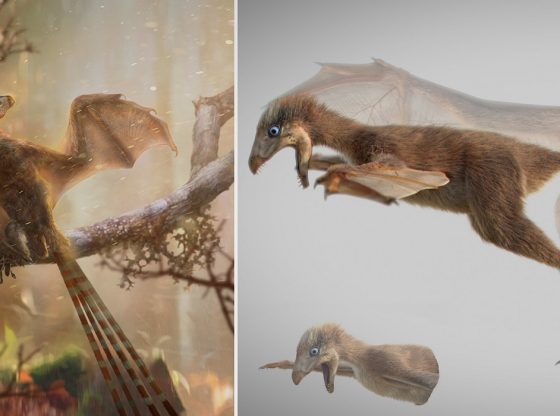
    A Newly Identified Raptor Hunted With The Terrifying Agility of a Cheetah

    June 16, 2020

    European Neanderthals Feasted on Fresh Seafood, Boosting Their Brain

    March 30, 2020

    Fishing in the Sahara? Yes – 10 000 Years Ago

    March 2, 2020

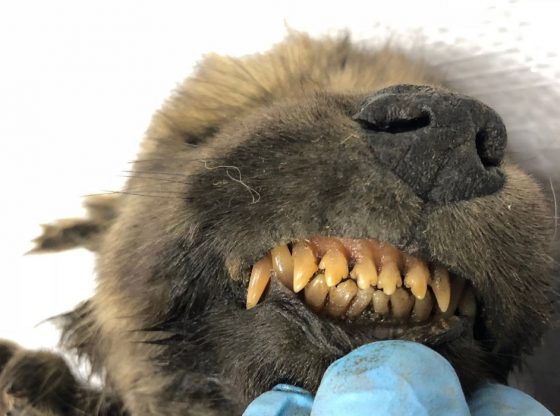
    18,000-Year-Old Frozen Puppy Found Perfectly Preserved in Siberian Permafrost

    December 9, 2019

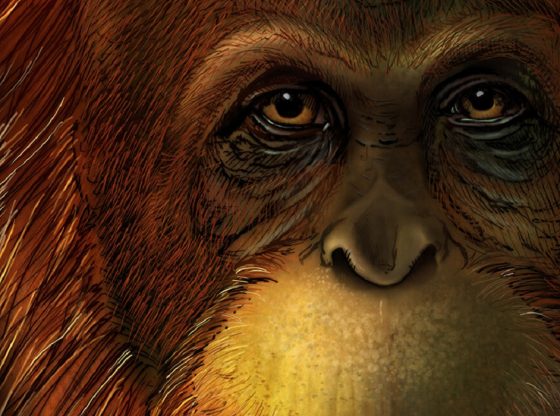
    Huge mysterious ape Gigantopithecus was a distant cousin of orangutans

    November 25, 2019
    Recent Posts
    • The Strait of Hormuz Dilemma: Power, Energy, and an Irreversible Turning Point
    • Eggs, Cholesterol, and Heart Disease: What the Science Actually Says in 2026
    • Oil Shocks, Policy Mistakes, and the Risk of a Second Inflation Wave (Part II)
    • Oil Shocks, Policy Mistakes, and the Risk of a Second Inflation Wave (Part I)
    • Microsoft Stored a Movie on Glass — And It Could Last Centuries
    • AI, Automatic Stabilizers & Inflation
    • Largest Battles in History: Cannae — Rome’s Darkest Day
    • The Day the Alliance Died
    • Evaluating Heart Disease: How Cumulative Diet Choices Compound Your Risk
    • What Would Happen If China Attacked Taiwan?
    © 2025 Illustrated Curiosity

    Type above and press Enter to search. Press Esc to cancel.