Close Menu
Illustrated Curiosity | Economics, History, Science, Space, Technology, Health, Physics, Earth
    Facebook X (Twitter) Instagram YouTube
    Illustrated Curiosity | Economics, History, Science, Space, Technology, Health, Physics, Earth
    • Earth
    • Economics
    • Environment
      • Environmental Tech
      • Pollution
      • Wildlife
    • Health
      • Health Tech
      • Medicine
      • Nutrition
      • Exercise
    • History
      • Prehistory
      • Ancient History
      • Postclassical Era
      • Modern History
    • Humans
      • Human Brain
      • Psychology
    • Life
      • Animals & Plants
      • Genetics
      • Paleontology
      • Evolution
      • Genetic Engineering
    • Physics
    • Space
      • Astrobiology
      • Astronomy
      • Extrasolar Planets
      • Space Tech
      • Spaceflight
    • Technology
      • Artificial Intelligence
      • Energy
      • Engineering
      • Materials
      • Robotics
      • Vehicles
    Illustrated Curiosity | Economics, History, Science, Space, Technology, Health, Physics, Earth
    Home » Closest ‘Earth-like’ World Orbiting a Calm Star Discovered
    Extrasolar Planets

    Closest ‘Earth-like’ World Orbiting a Calm Star Discovered

    November 16, 20173 Mins Read
    Illustration by Illustrated Curiosity
    Share
    Facebook Twitter LinkedIn Pinterest Email

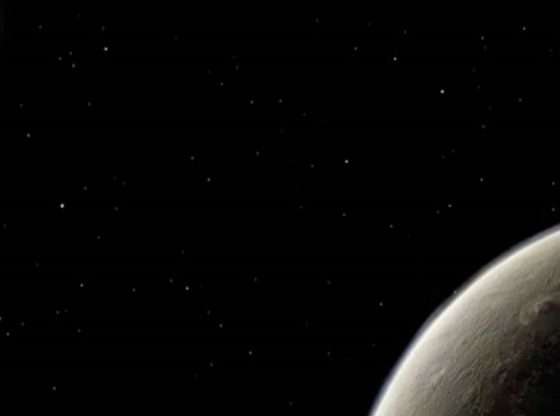
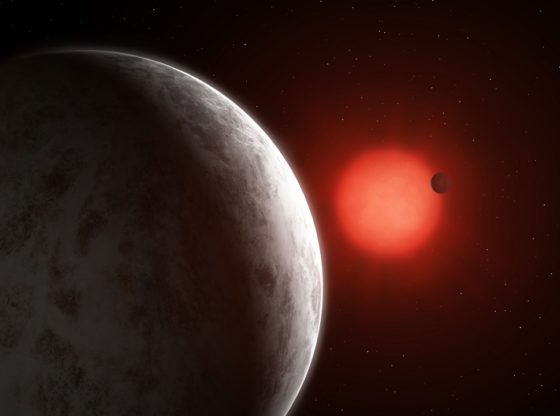
    Astronomers have discovered a new Earth-like planet. It was detected using the European Southern Observatory’s High Accuracy Radial Velocity Planet Searcher (HARPS) at the La Silla Observatory in Chile.
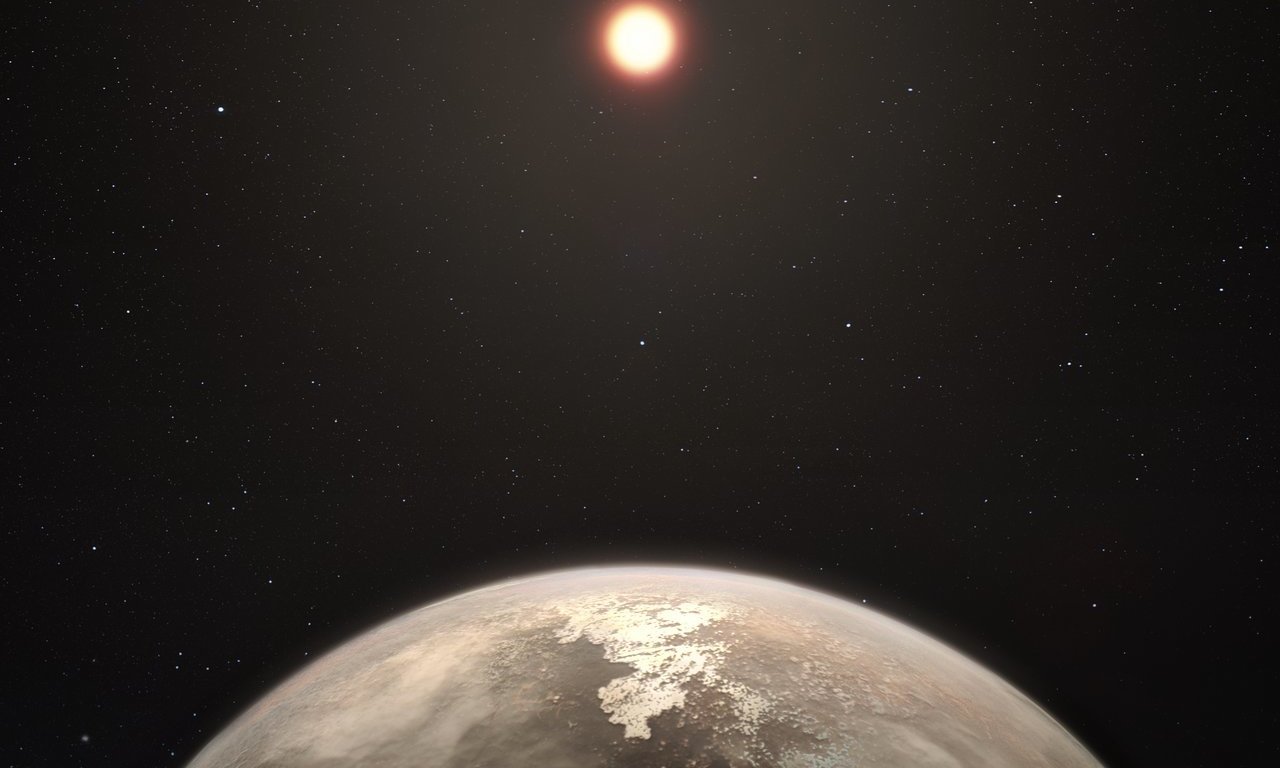
    The planet, called Ross 128b, is perhaps the best candidate so far in the quest for life beyond the Earth. It orbits a relatively peaceful and old dwarf star. It orbits its host star about 20 times closer to the star than the Earth to the sun, making a trip around the star every 9.9 days. Even so, since the star is relatively cool, the temperature of the planet is estimated to be between 20 and 60 degrees Celsius.

    Unlike other red dwarf stars, including Proxima Centauri, which is often subject to occasional outbursts of flares, bathing orbiting planets in deadly ultraviolet and X-ray radiation, it seems that Ross 128 is a much more peaceful star.

    Another factor that makes Ross 128b interesting is the distance of “only” eleven light-years from our own solar system. Astronomically speaking, it’s a short distance, but with today’s technology, it would take about 110,000 years for us to reach the planet.

    “This discovery is based on more than a decade of HARPS intensive monitoring, together with state-of-the-art data reduction and analysis techniques,”

    – Nicola Astudillo-Defru said in a news release. He is a Geneva Observatory astronomer and one of the authors of a paper on the discovery in the journal Astronomy & Astrophysics.

    The planet was found by a team using ESO’s unique planet-hunting HARPS instrument. It is the second-closest temperate planet to be detected after Proxima b. It is the closest planet to be discovered orbiting an inactive red dwarf star, which may increase the likelihood that this planet could potentially sustain life.

    Astronomers are now detecting more and more temperate exoplanets, and the next stage will be to study their atmospheres, composition, and chemistry in more detail. Ross 128 b will be a prime target for ESO’s Extremely Large Telescope, which will be able to search for biomarkers in the planet’s atmosphere.

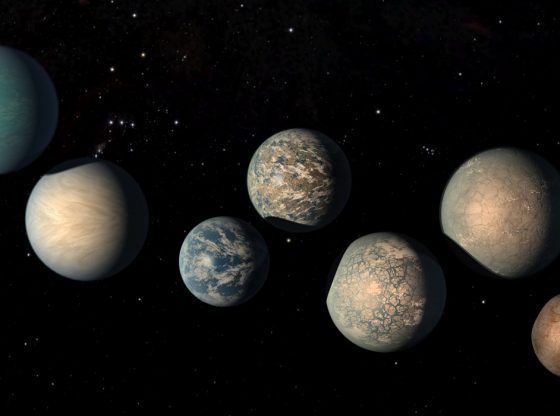
    Together with the recent discovery of Proxima b, the Earth-sized planet orbiting the closest star to us, Proxima Centauri, and the discovery of seven Earth-sized worlds orbiting TRAPPIST-1, a star 39 light-years away, three of which are in the habitable zone, this new discovery ranks among these as one of the most important this past decade.

    Reference:

    X. Bonfils, N. Astudillo-Defru, R. Diaz, J.-M. et al. A temperate exo-Earth around a quiet M dwarf at 3.4 parsecs DOI: https://doi.org/10.1051/0004-6361/201731973
    Earth-Like Planets Exoplanets
    Share. Facebook Twitter Pinterest LinkedIn Tumblr Email Copy Link

    Related Posts

    James Webb Telescope Discovers Methane & Carbon Dioxide in the Atmosphere of Exoplanet K2-18b

    September 14, 2023

    Tranquil Planetary System Just 11 Light-Years Away Raises Hopes of Habitability

    July 13, 2020

    TESS Mission Spots Earth-Size Potentially Habitable Planet 100 Light-Years Away

    January 8, 2020

    Water is Common—Yet Scarce—in Exoplanets

    December 17, 2019

    Astronomers Discover Jupiter-like Planet Orbiting A Tiny Star

    September 30, 2019

    Water Discovered in the Atmosphere of an Exoplanet in the Habitable zone

    September 12, 2019
    Recent Posts
    • Largest Battles in History: Cannae — Rome’s Darkest Day
    • The Day the Alliance Died
    • Evaluating Heart Disease: How Cumulative Diet Choices Compound Your Risk
    • What Would Happen If China Attacked Taiwan?
    • Geopoliticisation as a Structural Tailwind for Commodity Prices
    • America’s Economic Remodel: Who’s Really Paying the Bill?
    • Why Inflation May Be Preparing for a Second Act
    • How the End of Bretton Woods Reshaped Our Economies — and Our Politics
    • Can the U.S. Really Handle 250% Debt-to-GDP? Why Jackson Hole’s Daring Paper Is Wrong
    • Japan’s Fiscal Trap: What Happens If Austerity Is No Longer an Option?
    © 2025 Illustrated Curiosity

    Type above and press Enter to search. Press Esc to cancel.