Close Menu
Illustrated Curiosity
    Facebook X (Twitter) Instagram YouTube
    Illustrated Curiosity
    • Earth
    • Economics
    • Environment
      • Climate
      • Environmental Tech
      • Pollution
      • Wildlife
    • Health
      • Health Tech
      • Medicine
      • Nutrition
      • Exercise
    • History
      • Prehistory
      • Ancient History
      • Postclassical Era
      • Modern History
    • Humans
      • Human Brain
      • Psychology
    • Life
      • Animals & Plants
      • Genetics
      • Paleontology
      • Evolution
      • Genetic Engineering
    • Physics
    • Space
      • Astrobiology
      • Astronomy
      • Extrasolar Planets
      • Space Tech
      • Spaceflight
    • Technology
      • Artificial Intelligence
      • Energy
      • Engineering
      • Materials
      • Robotics
      • Vehicles
    Illustrated Curiosity
    Home » Aggressive Breast Cancer Tumours ‘Transformed’ into More Treatable Form
    Medicine

    Aggressive Breast Cancer Tumours ‘Transformed’ into More Treatable Form

    March 21, 2018No Comments3 Mins Read
    Share
    Facebook Twitter LinkedIn Pinterest Email
    More women are diagnosed with breast cancer than any other cancer. The 5-year survival rate tells you what percent of people live at least 5 years after the cancer is found. Percent means how many out of 100. The average 5-year survival rate for people with breast cancer is 90%. The average 10-year survival rate is 83%. According to the American Cancer Society’s publication, Cancer Facts & Figures 2017.

    Researchers at Lund University in Sweden are developing a treatment that makes aggressive breast cancer less dangerous.

    In 10 to 15 percent of breast cancer cases, the usual hormone therapy treatment like tamoxifen is ineffective and has no effect on the tumors. The only option for these patients is toxic chemotherapy.

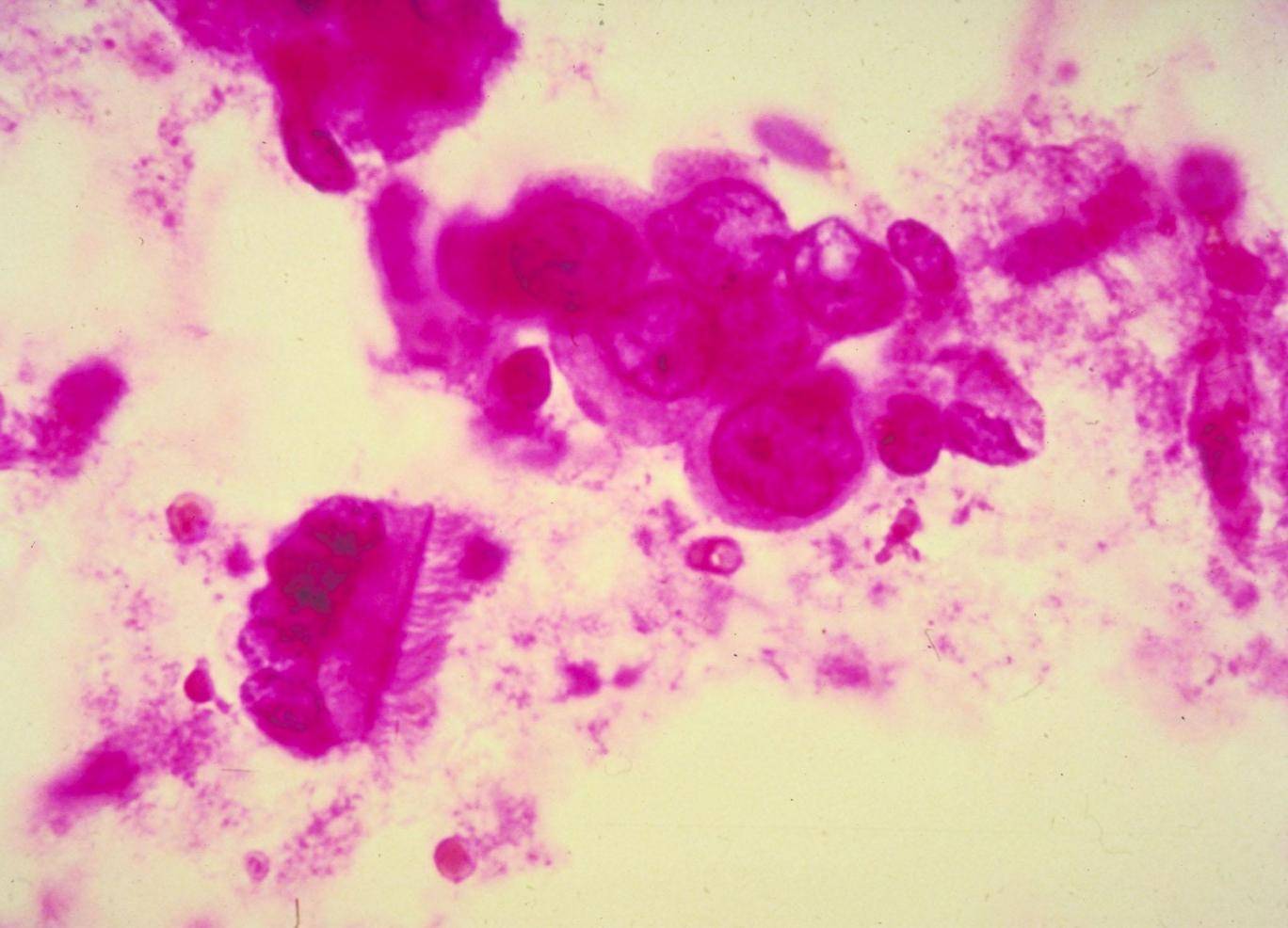
    But now, a new study shows that aggressive tumors can be transformed into a lot nicer kind by affecting how the cancer cells communicate with the connective tissue in the breasts. The study by cancer researchers at Lund University also explains why cancer cells communicate with connective tissue.

    Research in recent decades has revealed that cancer cells are unable to grow without support from surrounding tissues. What happens is that the tumor cells send out signal molecules received by the connective tissue cells.

    Detailed analysis of around 1,400 breast cancers showed that women with high levels of the signaling molecule, PDGF-CC, in their tumors had a poor prognosis.

    The connective tissue cells then respond with an entire cocktail of proteins that recommunicate to the cancer cells, making them become more aggressive, growing faster and becoming resistant to hormone treatment.

    Hormone therapy normally slows or stops the growth of hormone-sensitive tumors by blocking the body’s ability to produce hormones or by interfering with effects of hormones on breast cancer cells.

    But now, the Swedish research team have been able to influence the tumor aggressiveness by using a drug that stops the cell’s from communicating. When they block the communication between the cancerous cells and the surrounding connective tissue, the aggressiveness of the tumors is reduced, and they become sensitive to hormone therapy again.

    The research shows that communication between breast cancer cells and connective tissue via PDGF-CC can “switch off” hormone sensitivity.

    “We have developed a new treatment strategy for aggressive and difficult-to-treat breast cancers that restores sensitivity to hormone therapy.”

    “These findings have major implications in the development of more effective treatments for patients with aggressive breast cancer.”

    – Lead scientist, Professor Kristian Pietras from Lund University.

    Researchers believe this technique, trialed on mice, could potentially improve clinical outcomes for those patients whose breast cancer resists frontline therapies. The promising lab results justified evaluating the new treatment approach in clinical trials.

    Reference:

    Pernilla Roswall et al. Microenvironmental control of breast cancer subtype elicited through paracrine platelet-derived growth factor CC signal. Nature Medicine March 12, 2018. DOI: 10.1038 / nm.4494

    Breast Cancer Cancer
    Share. Facebook Twitter Pinterest LinkedIn Tumblr Email Copy Link

    Related Posts

    Groundbreaking Breakthrough: A Potential Cure for Cancer Targets Proliferating Cell Nuclear Antigen (PCNA)

    August 3, 2023

    Data Modeling Can Predict How COVID-19 Will Spread in a Big City

    November 13, 2020

    2020 Nobel Prize in Medicine Jointly Awarded to Scientists Who Discovered the Hepatitis C Virus

    October 6, 2020

    Air Pollution May Be a Contributing Factor behind High Death Rates in COVID-19

    June 8, 2020

    Evidence of Stray Dogs as Possible Intermediate Host of COVID-19 Pandemic

    April 28, 2020

    Promising Progress on Urine Tests for Prostate Cancer

    March 23, 2020
    Recent Posts
    • How the End of Bretton Woods Reshaped Our Economies — and Our Politics
    • Can the U.S. Really Handle 250% Debt-to-GDP? Why Jackson Hole’s Daring Paper Is Wrong
    • Japan’s Fiscal Trap: What Happens If Austerity Is No Longer an Option?
    • The Rise of Range Extended Electric Vehicles (REEVs): A New Era of Hybrid Mobility
    • The Great Capital Rotation: A Shift from U.S. Treasuries to Gold and Real Assets
    • The Hidden Risks of Short-Term Debt: A Balancing Act in U.S. Fiscal Policy
    • The Looming U.S. Debt Spiral: Understanding the Risks
    • The Looming Recession: Seven Economic Indicators Flashing Red for 2025
    • Europa Clipper: NASA’s Mission to Unlock the Secrets of Jupiter’s Icy Moon
    • Could Hedge Funds Cause Chaos in the U.S. Treasury Market? And What About Inflation?
    © 2025 Illustrated Curiosity

    Type above and press Enter to search. Press Esc to cancel.

    This website uses cookies to improve your experience. We'll assume you're ok with this, but you can opt-out if you wish.Accept Reject Read More
    Privacy & Cookies Policy

    Privacy Overview

    This website uses cookies to improve your experience while you navigate through the website. Out of these, the cookies that are categorized as necessary are stored on your browser as they are essential for the working of basic functionalities of the website. We also use third-party cookies that help us analyze and understand how you use this website. These cookies will be stored in your browser only with your consent. You also have the option to opt-out of these cookies. But opting out of some of these cookies may affect your browsing experience.
    Necessary
    Always Enabled
    Necessary cookies are absolutely essential for the website to function properly. This category only includes cookies that ensures basic functionalities and security features of the website. These cookies do not store any personal information.
    Non-necessary
    Any cookies that may not be particularly necessary for the website to function and is used specifically to collect user personal data via analytics, ads, other embedded contents are termed as non-necessary cookies. It is mandatory to procure user consent prior to running these cookies on your website.
    SAVE & ACCEPT