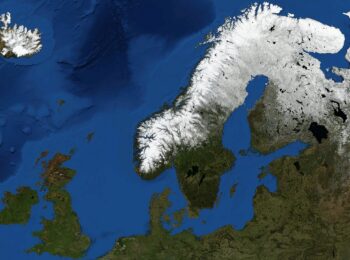

He was the ancestor of William the Conqueror and thus the English royal family – now it will be revealed if the Viking chieftain Rollo originally came from Denmark or Norway.
Who was Rollo?
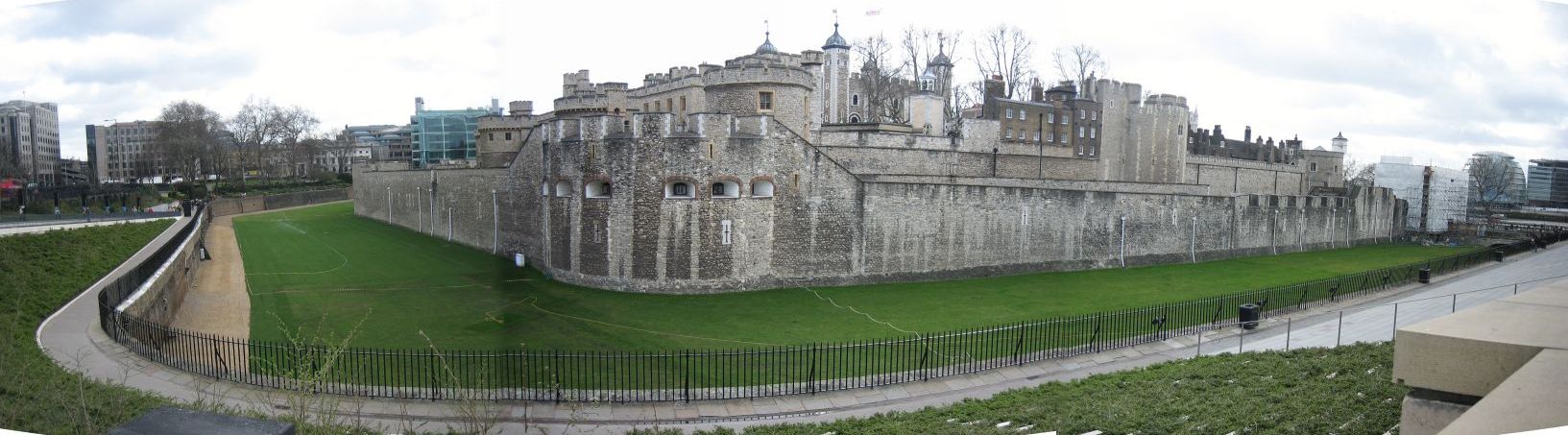
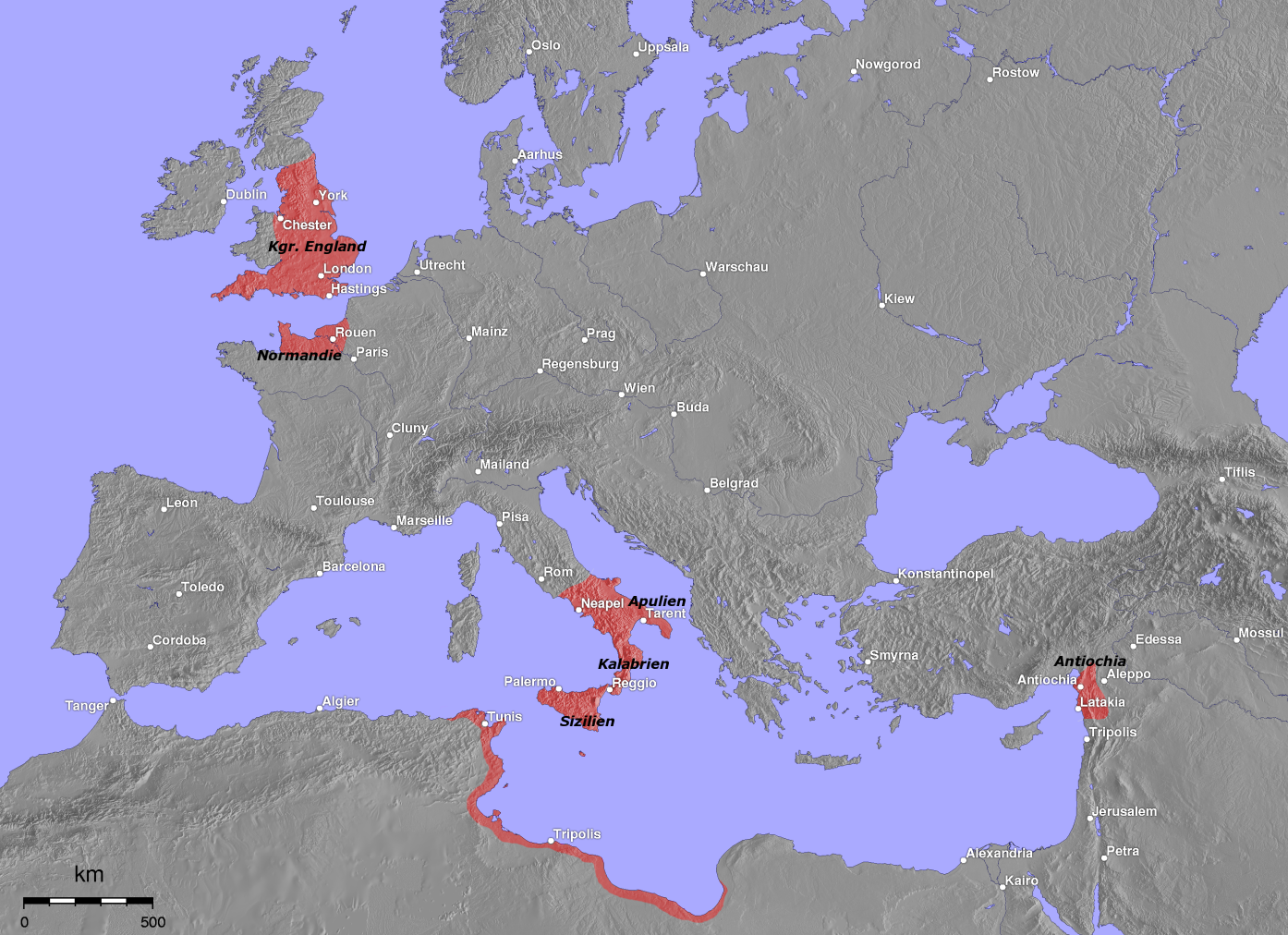
Rollo was the founder of Normandy, Count of Rouen and great great great grandfather of William the Conqueror (1028 to 1087 CE). William who led a successful Norman conquest of England after a victory at the Battle of Hastings in 1066 CE. William’s legacy would be far reaching with later Norman cultural and military influence that spread across Europe. From new European centers to the Crusader states of the Near East, the Principality of Antioch in the Levant, to Scotland, Wales, Ireland, to the coasts of North Africa and the Canary Islands.
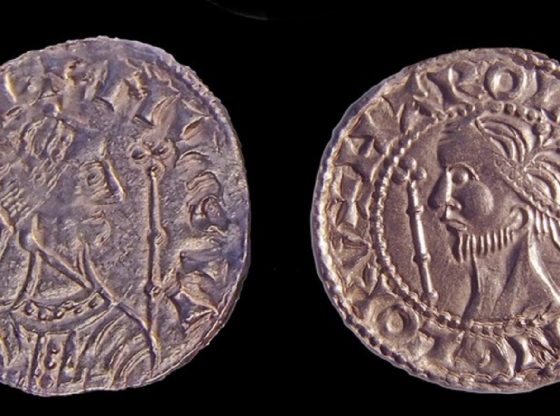
Rollo (Göngu Hrólfr in the Old Norse language) lived circa 846 to 927 CE – identified as Ganger-Hrólf in later Norse sources and Rollon in French – led an army of Scandinavian Vikings who plundered and ravaged along the banks of the Seine in the early 900s CE.
Where Rollo originally came from is controversial, since he is described as Norwegian in the Icelandic and Norwegian sagas, but as a Dane in Norman history. The Norman historian Dudo of Saint-Quentin, refer to Rollo as “Danish” (which however was a term then used for the inhabitants of Scandinavia, speaking Danish tongue). Dudo’s 11th-century work, “De moribus et actis primorum Normannorum ducum”, recounts a Danish nobleman at loggerheads with the king of Denmark, who had two sons, Gurim and Rollo; upon his death, Gurim was killed and Rollo was expelled.
Geoffrey Malaterra, an eleventh-century Benedictine monk, and historian wrote how: “Rollo sailed boldly from Norway with his fleet to the Christian coast.” The 12th-century English historian William of Malmesbury stated that Rollo was “born of noble lineage among the Norwegians”. Rollo also is mentioned in “The Life of Gruffud ap Cynan”, a 12th-century history, which refers to him as the youngest of two brothers to the first king of Dublin. The 13th-century Icelandic sagas, Heimskringla and Orkneyinga Saga, remember him as Hrólf the Walker (“who was so big that no horse could carry him”, hence his byname of Ganger-Hrólf) and the son of a Norwegian earl from Sunnmøre in west Norway.
Rollo and his Vikings were a big burden for the Frankish king Charles the Simple. Rollo and his Viking army besieged Paris and Chartre. After a victory near Chartres on 26 August in 911 CE, Charles decided to negotiate with Rollo, resulting in the Treaty of Saint-Clair-sur-Epte The price of Viking’ loyalty was that all the land between the river Epte and the sea, as well as Brittany, which at the time was an independent country which France had unsuccessfully tried to conquer on several occasion, was given to Rollo. He also agreed to be baptized and married Charles’ daughter, Gisela.

Rollo and his Normans – “men from the north” – settled down and became rulers of Normandy.
The Hunt for Rollo’s DNA
A joint Norwegian-French investigation now hopes to reveal if Ganger Hrólf was indeed the same person as Rollo by tracing his DNA.
The researchers have finally got permission to open the tomb of one of Rollo’s descendants. With eight teeth from the sarcophagus in Fécamp Abbey in Normandy that once belonged to one of Rollo’s grandchildren, Richard II of Normandy (963-1026 CE), these teeth will now be analyzed for DNA and potentially reveal Rollo was the same Rollo as Ganger Hrólf.
Rollo does have a sarcophagus in the cathedral at Rouen. It is, however, empty and the DNA from a close relative is almost as good as the real thing. Since genetic material is better preserved in teeth than in skeleton remains, the researchers are optimistic about finding intact DNA.
Previous studies have revealed slight differences in the DNA from Danish and Norwegian Vikings and the scientists, therefore, hope that it will be possible to match Rollo-family’s genetic material with one or the other Viking ‘nationality’.
The English Throne at Stake
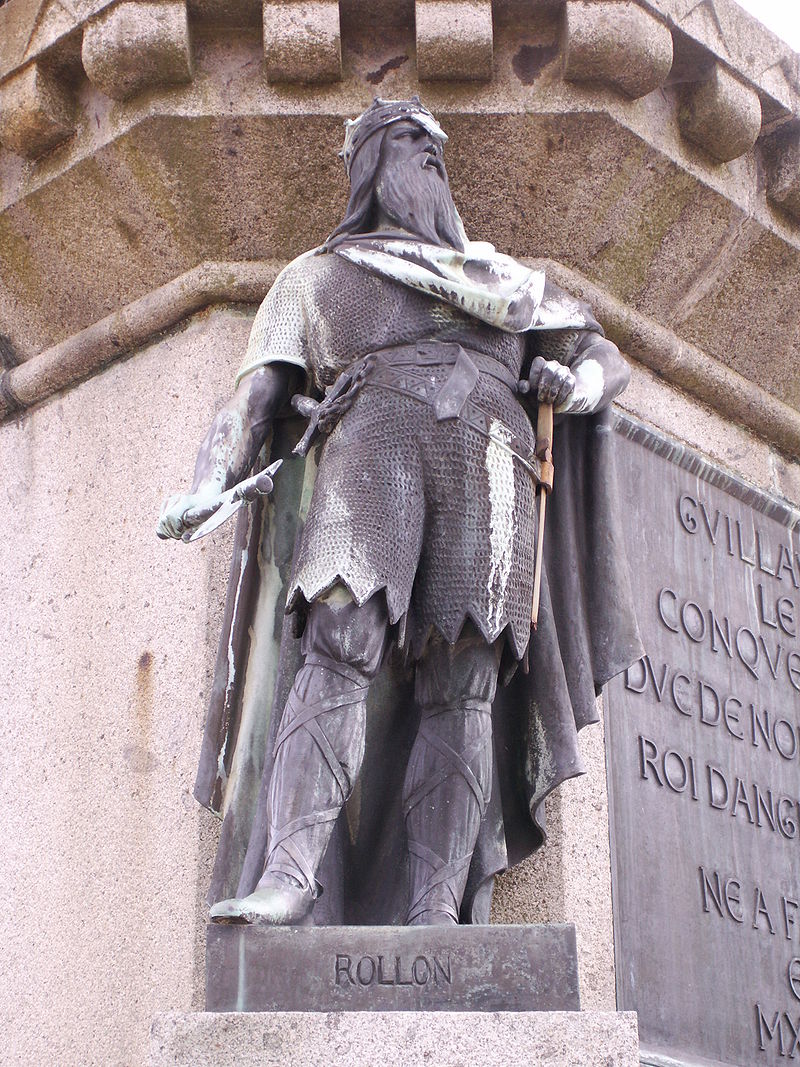
Rollo’s origin is particularly interesting since he was the founder of the family that later conquered England and thus the dynasty of rulers that would inherit the English throne.
Great grandchild William the Conqueror (1028-1087) crossed the channel and defeated the Anglo-Saxons with superior Norman cavalry in the Battle of Hastings in 1066. The same year, he crowned himself king in Westminster Abbey.
The current Queen of England, Elizabeth II, is a descendant of William the Conqueror and thus a descendant of Rollo. The English royal family is descendants from either Denmark or Norway. But which of these countries that will receive the honor of being Rollo’s and the British royal family’s ancestral home is to be revealed.
The results of the DNA analysis will probably be available in the autumn and will be presented in cooperation with the French authorities. The team hopes to finish their work by the end of September, before the marking of Rollo’s 1100-year anniversary and the establishing of Viking settlements in Normandy.
_____________
Ganger Rolf and Rollo – Norwegian or Dane?
__________________________