
Water that evaporates from watercourses can become a new type of source of renewable energy. The potential is large, according to a new study.
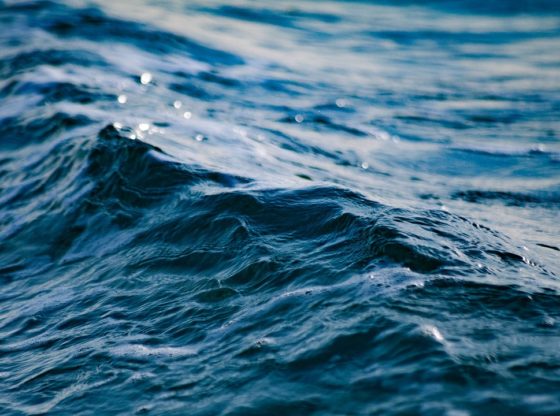
All lakes and streams evaporate water in a natural process driven by solar heat. In fact, nearly half of the Sun’s energy that reaches the Earth’s surface drives evaporation, influencing ecosystems, water resources, and climate. If it is possible to absorb the energy in this water vapor, it could be a renewable resource, comparable to wind and sun.
The theoretical capacity is high, according to a research group at Columbia University in a new study published in Nature Communications. They estimate that for the United States alone, the potential effect is 325 gigawatts. This corresponds to almost 70 percent of all energy generated in the United States in 2015.
The researchers also suggest that hypothetical water evaporation farms could provide power densities three times greater than wind power, and significantly reduce the amount of water lost to evaporation.
“We have the technology to harness energy from wind, water, and the sun, but evaporation is just as powerful,”
“We can now put a number on its potential.”
– Study’s lead author Ozgur Sahin, who is an Associate Professor of Biotechnology at Columbia.
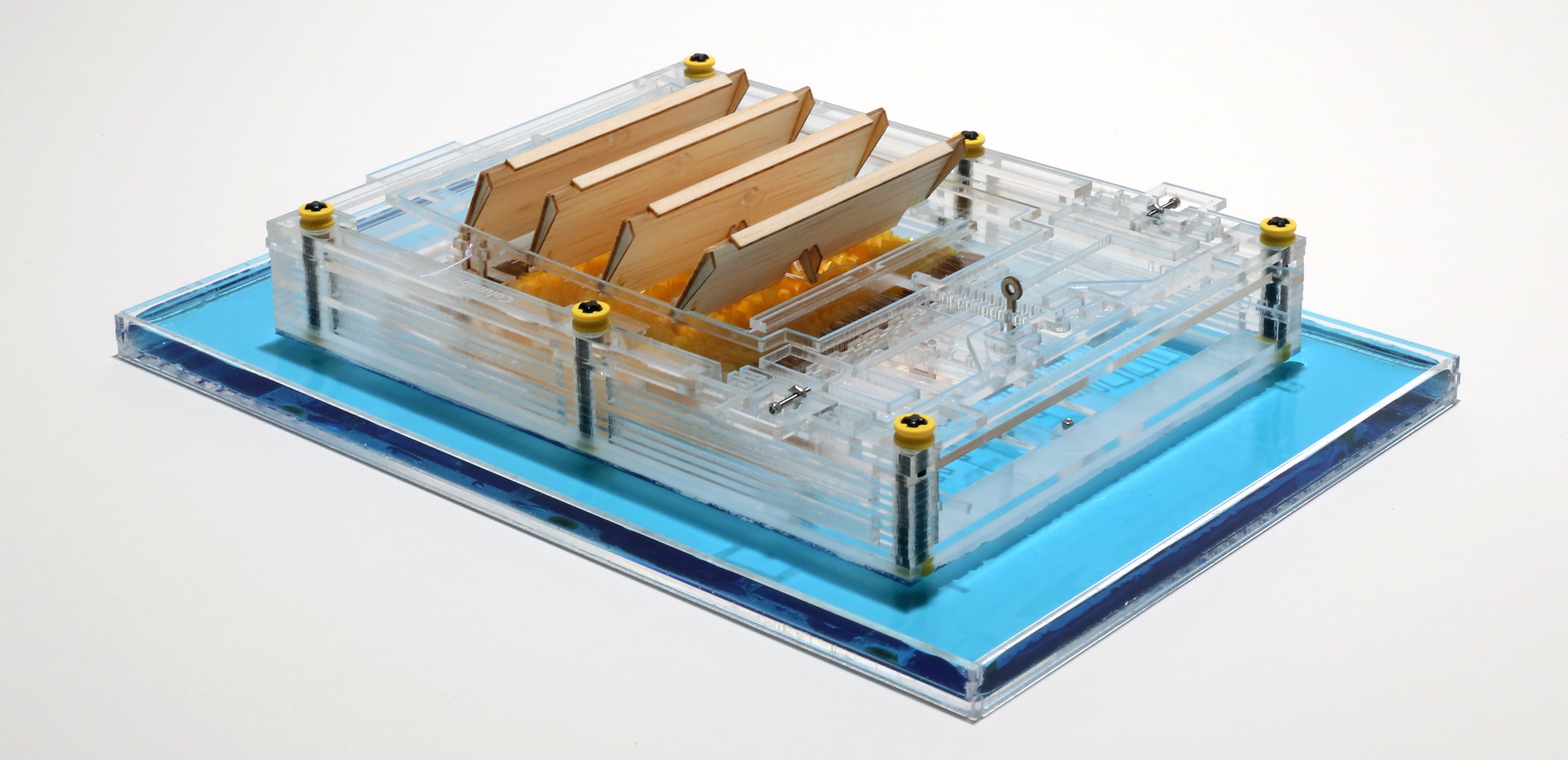
The team of researchers has developed small machine prototypes, driven exclusively by evaporating water. The machine controls humidity with shutters that open and close, prompting the spore-coated plastic strips to expand and contract.
The machines are available in different models, but they all consist of artificial muscles of bacterial spores attached to thin plastic strips. The spores are capable of catching water vapor from the air, then expand or shrink in size due to humidity. The spores make the strips expand, stretch out, when there is high humidity, and contract as long as the humidity decreases.
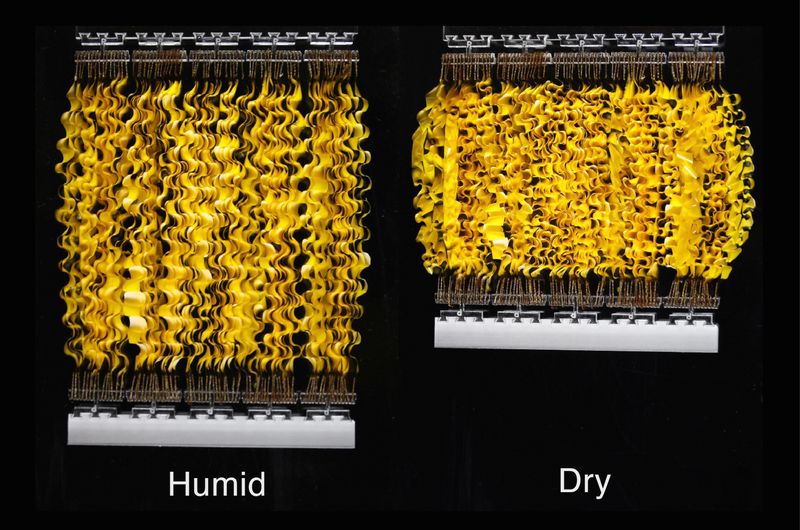
This resembles how biological muscle moves and the design called ‘HYDRAs’ (hygroscopy-driven artificial muscles) were first introduced in 2015. But this new study in Nature Communications deals with the theoretical potential of this energy source.
Their model shows that 325 gigawatts of power is potentially available in the U.S. alone, from evaporation via existing lakes and reservoirs larger than 0.1 square kilometers (not including the Great Lakes).
The team is now developing materials that can be manufactured on a larger scale and will test their engine on a larger body of water. But the potential of this new technology is great — after all — the Earth is 70 percent water.
Reference:
Ahmet-Hamdi Cavusoglu, Xi Chen, Pierre Gentine & Ozgur Sahin Potential for natural evaporation as a reliable renewable energy resource doi:10.1038/s41467-017-00581-w