Close Menu
Illustrated Curiosity | Economics, History, Science, Space, Technology, Health, Physics, Earth
    Facebook X (Twitter) Instagram YouTube
    Illustrated Curiosity | Economics, History, Science, Space, Technology, Health, Physics, Earth
    • Earth
    • Economics
    • Environment
      • Environmental Tech
      • Pollution
      • Wildlife
    • Health
      • Health Tech
      • Medicine
      • Nutrition
      • Exercise
    • History
      • Prehistory
      • Ancient History
      • Postclassical Era
      • Modern History
    • Humans
      • Human Brain
      • Psychology
    • Life
      • Animals & Plants
      • Genetics
      • Paleontology
      • Evolution
      • Genetic Engineering
    • Physics
    • Space
      • Astrobiology
      • Astronomy
      • Extrasolar Planets
      • Space Tech
      • Spaceflight
    • Technology
      • Artificial Intelligence
      • Energy
      • Engineering
      • Materials
      • Robotics
      • Vehicles
    Illustrated Curiosity | Economics, History, Science, Space, Technology, Health, Physics, Earth
    Home » 25 Enormous Figures Discovered in the Peruvian Desert
    Ancient History

    25 Enormous Figures Discovered in the Peruvian Desert

    June 6, 20182 Mins Read
    Illustration: Illustrated Curiosity
    Share
    Facebook Twitter LinkedIn Pinterest Email

    Geoglyphs are huge figures created on the ground and can be viewed from far distances. The most famous are the Nazca lines in southern Peru, created by the Nazca culture 200-700 CE. They consist of a series of huge stylized photos of animals and plants, as well as geometric shapes, about 100 meters long, spreading over a 5000-square-kilometer desert area. Many of these were probably created earlier by the Paracas culture.

    Now, researchers have discovered 50 new, undocumented geoglyphs in the area with the help of drones. Half of them were completely unknown, while the locals knew about the other 25. They represent, among other things, a dancing woman and a killer whale. The researchers believe they were created by the Paracas culture approximately 2,000 years ago.
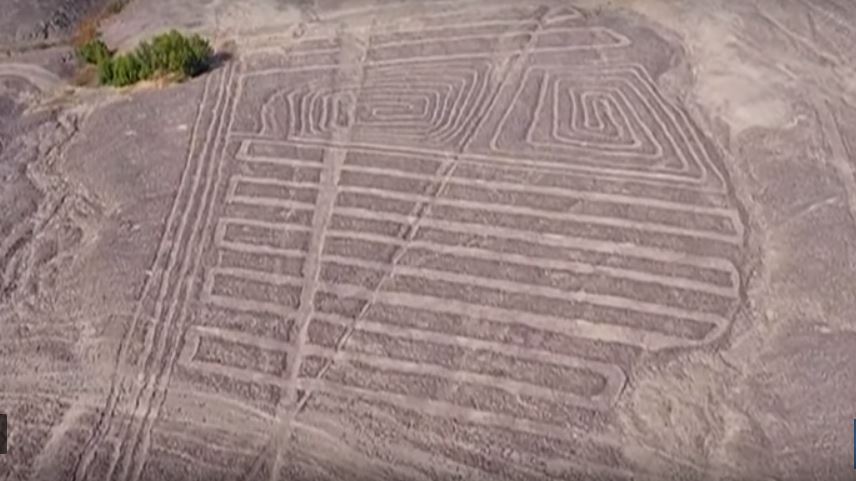
     

    Meaning they had already been imprinted into the landscape for several hundred years by the time that the succeeding culture, the Nazca, created their eponymous lines nearby.
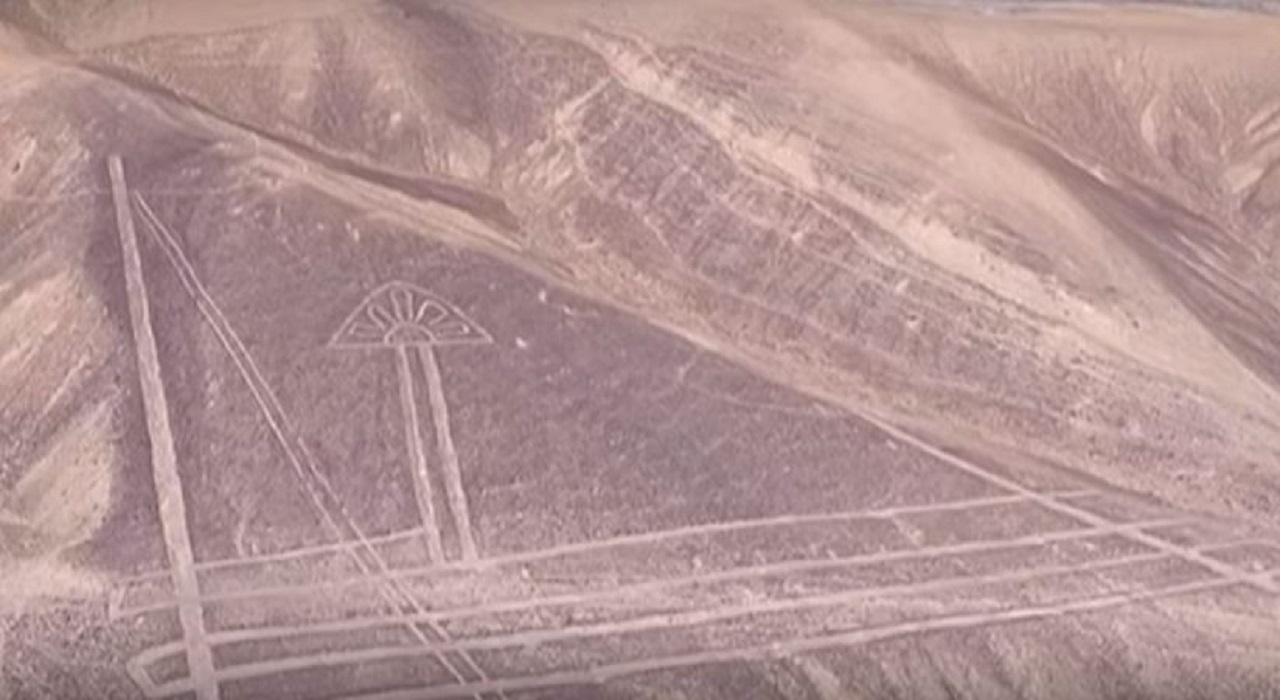
     

    Unlike the Nazca lines, which can only be seen from the air, these figures are created on hills and can be seen from the ground.

    2000-Year-Old Killer Whale Geoglyph Found in Peru Desert – Live Science https://t.co/Oeyyg8cOsJ #PeruDaily pic.twitter.com/81x5ns2tRH

    — Peru Daily News ?? (@PeruDaily) 28 november 2017

    According to archaeologist Johny Isla Cuadrado, responsible for the region’s cultural heritage, the drones make it much easier to discover new geoglyphs in the area. So far, they have only seen them from drone footage, and the next step is to explore them more closely.

    “After these anthropomorphic geoglyphs we have other figures in other areas, here adjacent to Palpa where there are also zoomorphic figures of felines, snakes, birds, and also mythical figures,”

    – Johny Isla, the ministry’s lead conservation archaeologist for the area, told the news outlet.

    Geoglyphs were created for a period of 1200 years, and archaeologists have long argued about their purpose, why they are so big, and why they were created for such a long time.

    Some believe the lines were part of the people’s religious rituals. Others speculate that they are meant to convey messages to the gods they had. But so far, the answers are shrouded in obscurity.

    Share. Facebook Twitter Pinterest LinkedIn Tumblr Email Copy Link

    Related Posts

    Largest Battles in History: Cannae — Rome’s Darkest Day

    January 25, 2026

    The Land Between: A Historical Overview of Israel, Judea, and Palestine

    January 9, 2023

    Augustus: The Quiet Architect of Empire

    October 28, 2022

    Native Americans of South America sailed to Polynesia in the 12th century

    July 27, 2020

    Oldest and Largest Maya Structure on Record Discovered in Southern Mexico

    June 22, 2020

    Archaeologists in Greece Find 3,500-Year-Old Royal Tombs

    December 23, 2019
    Recent Posts
    • Largest Battles in History: Cannae — Rome’s Darkest Day
    • The Day the Alliance Died
    • Evaluating Heart Disease: How Cumulative Diet Choices Compound Your Risk
    • What Would Happen If China Attacked Taiwan?
    • Geopoliticisation as a Structural Tailwind for Commodity Prices
    • America’s Economic Remodel: Who’s Really Paying the Bill?
    • Why Inflation May Be Preparing for a Second Act
    • How the End of Bretton Woods Reshaped Our Economies — and Our Politics
    • Can the U.S. Really Handle 250% Debt-to-GDP? Why Jackson Hole’s Daring Paper Is Wrong
    • Japan’s Fiscal Trap: What Happens If Austerity Is No Longer an Option?
    © 2025 Illustrated Curiosity

    Type above and press Enter to search. Press Esc to cancel.