Close Menu
Illustrated Curiosity | Economics, History, Science, Space, Technology, Health, Physics, Earth
    Facebook X (Twitter) Instagram YouTube
    Illustrated Curiosity | Economics, History, Science, Space, Technology, Health, Physics, Earth
    • Earth
    • Economics
    • Environment
      • Environmental Tech
      • Pollution
      • Wildlife
    • Health
      • Health Tech
      • Medicine
      • Nutrition
      • Exercise
    • History
      • Prehistory
      • Ancient History
      • Postclassical Era
      • Modern History
    • Humans
      • Human Brain
      • Psychology
    • Life
      • Animals & Plants
      • Genetics
      • Paleontology
      • Evolution
      • Genetic Engineering
    • Physics
    • Space
      • Astrobiology
      • Astronomy
      • Extrasolar Planets
      • Space Tech
      • Spaceflight
    • Technology
      • Artificial Intelligence
      • Energy
      • Engineering
      • Materials
      • Robotics
      • Vehicles
    Illustrated Curiosity | Economics, History, Science, Space, Technology, Health, Physics, Earth
    Home » The ancient Romans weren’t as hygienic as we thought
    Ancient History

    The ancient Romans weren’t as hygienic as we thought

    January 11, 20163 Mins Read
    Image: Illustrated Curiosity
    Share
    Facebook Twitter LinkedIn Pinterest Email


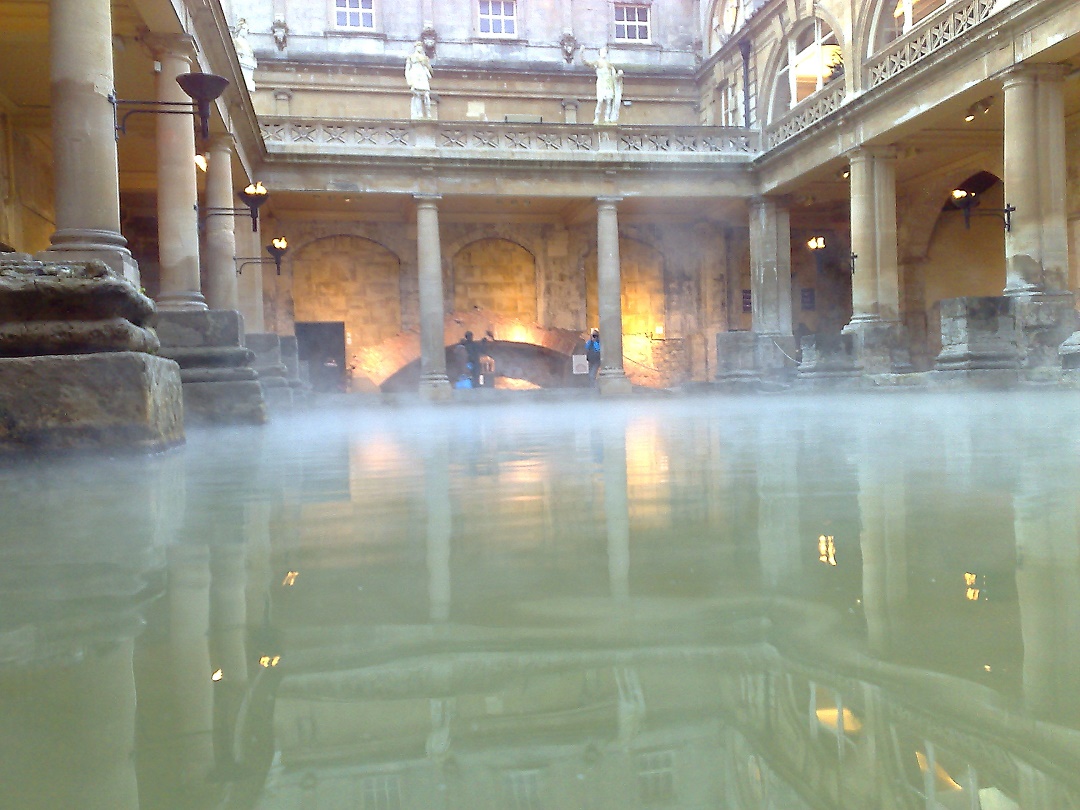
    The ancient Roman society is often considered very sanitary, having introduced latrines, a sewer system, and the availability of fresh drinking water for everyone. By some recent archaeological discoveries may prove the quite opposite.

    A recent study conducted by Dr. Pierce Mitchell at the Department of Archaeology at Cambridge University suggests that the Romans lived in a very unclean society.

    Lice and Fleas Were Common

    Parasite intestinal worms did not decrease at all during this period, the research shows. It actually increased.

    Despite the culture of public baths, latrines, and a sewage system, lice and fleas were just as common among Romans as in other European societies at the time.

    The researchers have found traces of parasites in the latrines, the cemeteries as well as in textiles found at excavation sites. But you might think, how is this possible to detect today? Well, it turns out that intestinal parasites are much more resilient than you might think.

    According to the paper;

    The eggs of most intestinal helminths can be preserved for thousands of years in the right conditions, due to their tough chitinous walls. Human feces in archaeological contexts can be recovered from latrine soil, coprolites (preserved pieces of human feces) and the pelvic soil from burials, where the intestinal contents would have decomposed after death.” Amoeba remains can be detected by antibodies that react to them. Fleas, ticks, and mites “can be detected by fine sieving of soil, and also looking for them on hair combs, mummies or ancient textiles.

    Lice combs to remove lice have also been discovered at several archaeological sites; these could have been part of a daily routine at the time, for most people living in the Roman Empire.

    Heated Water Spread Parasites

    Study author Pierce Mitchell explains that the abundance of heated bath water instead of cold water actually helped spread the parasites. The water was rarely changed in the public baths, and dirt and cosmetics must have formed a layer on the water’s surface.

    Another explanation is that the ancient Romans used human excrement as fertilizer, and that the parasite’s eggs thus spread. Fertilization with human feces can be perfectly safe, though, if the feces are composed for a long time, then the parasites will die off, and the remaining nutrients would indeed boost crop yields.

    The study Human parasites in the Roman World: health consequences of conquering an empire has been published in the journal Parasitology.

    _____________
    Human parasites in the Roman World: health consequences of conquering an empire
    __________________________

    Ancient Rome Parasites Roman Empire Sanitation
    Share. Facebook Twitter Pinterest LinkedIn Tumblr Email Copy Link

    Related Posts

    Largest Battles in History: Cannae — Rome’s Darkest Day

    January 25, 2026

    The Land Between: A Historical Overview of Israel, Judea, and Palestine

    January 9, 2023

    Augustus: The Quiet Architect of Empire

    October 28, 2022

    Native Americans of South America sailed to Polynesia in the 12th century

    July 27, 2020

    Oldest and Largest Maya Structure on Record Discovered in Southern Mexico

    June 22, 2020

    Archaeologists in Greece Find 3,500-Year-Old Royal Tombs

    December 23, 2019
    Recent Posts
    • Largest Battles in History: Cannae — Rome’s Darkest Day
    • The Day the Alliance Died
    • Evaluating Heart Disease: How Cumulative Diet Choices Compound Your Risk
    • What Would Happen If China Attacked Taiwan?
    • Geopoliticisation as a Structural Tailwind for Commodity Prices
    • America’s Economic Remodel: Who’s Really Paying the Bill?
    • Why Inflation May Be Preparing for a Second Act
    • How the End of Bretton Woods Reshaped Our Economies — and Our Politics
    • Can the U.S. Really Handle 250% Debt-to-GDP? Why Jackson Hole’s Daring Paper Is Wrong
    • Japan’s Fiscal Trap: What Happens If Austerity Is No Longer an Option?
    © 2025 Illustrated Curiosity

    Type above and press Enter to search. Press Esc to cancel.