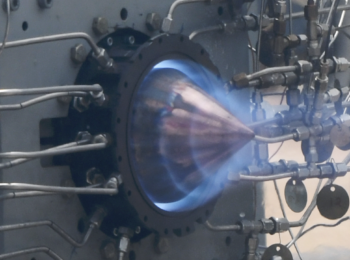

SpaceX rocket launches are already half as expensive compared to those flown by NASA and the price will likely continue to fall. For this reason, the U.S Congress will be forced to dump Nasa’s expensive rocket and instead choose Elon Musk’s company for future U.S. Mars missions.
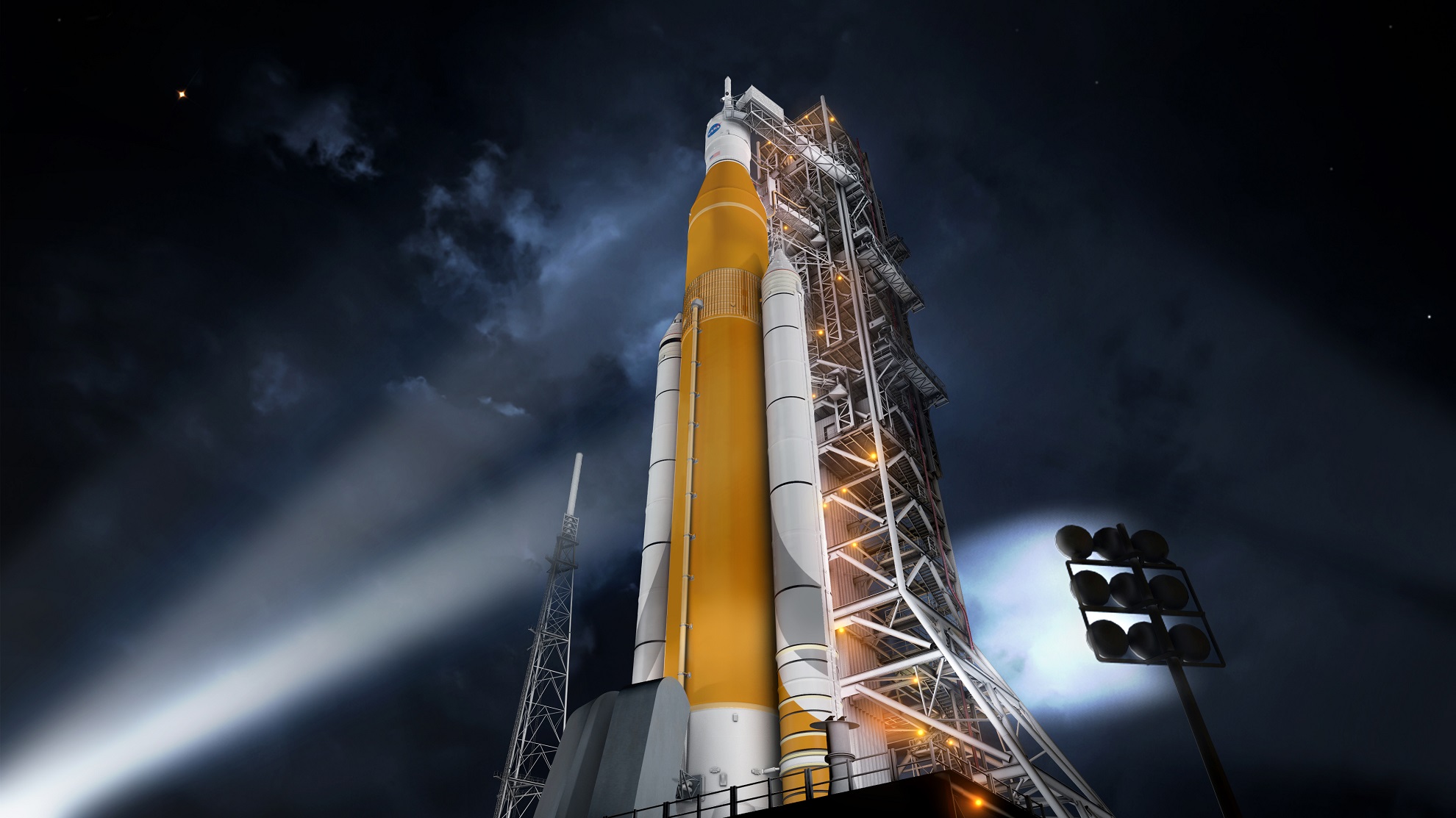
Donald Trump has pressured Nasa to send a manned rocket to Mars during his presidency as a request for a study from the new Republican president’s administration aims to tweak the plan set in motion by former President Barack Obama.
Nasa has been working on the “Space Launch System’ (SLS) since 2011. A very powerful rocket able to carry future Mars mission spacecraft.
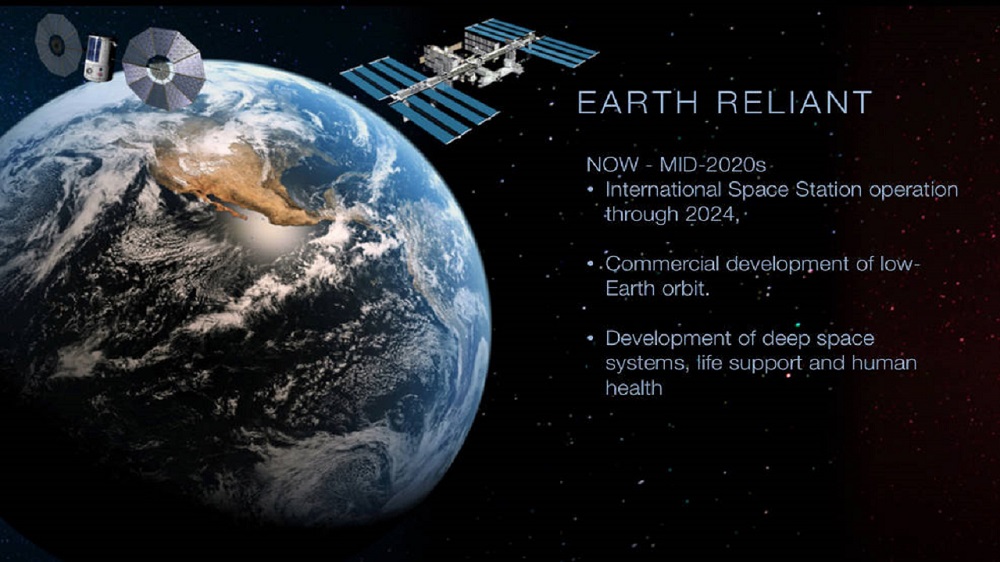
The plan is for the SLS to launch an unmanned spacecraft to Mars in 2019 as Nasa outlined three phases to successively move closer to the big goal of landing humans on Mars; ‘Earth Reliant’ phase 1, ‘Proving Ground’ phase 2 and finally phase 3 ‘Earth Independent’.
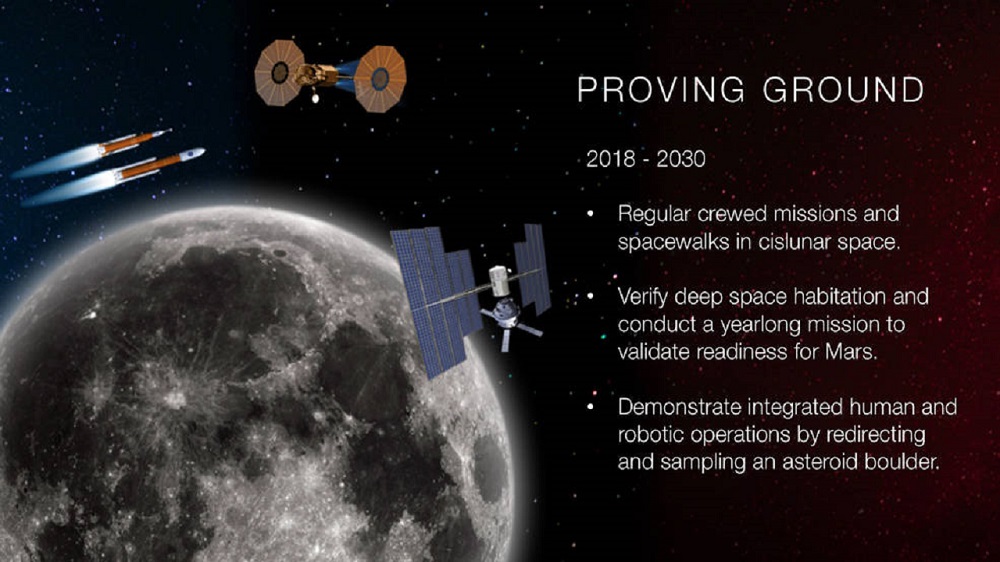
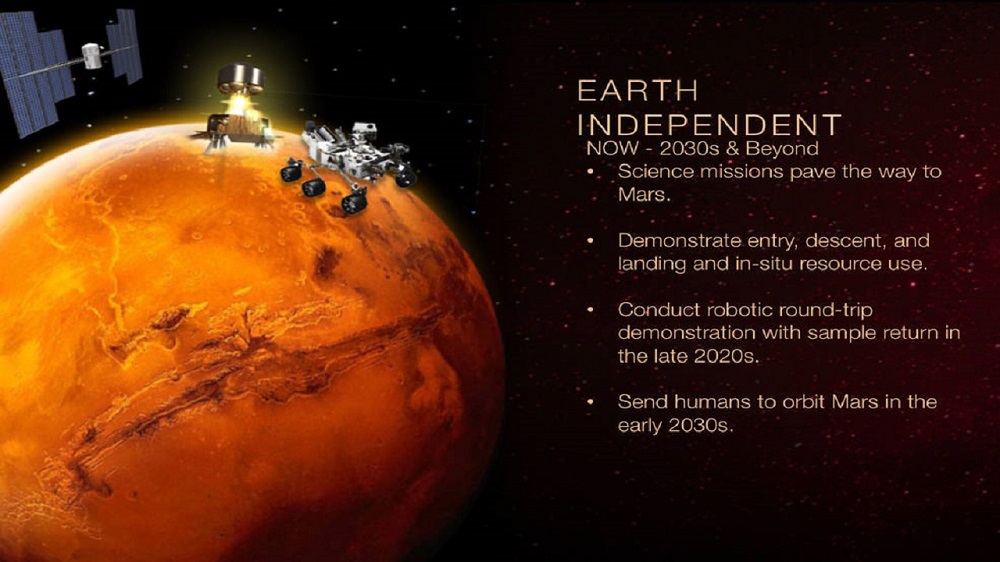
The first of mission of the Proving Ground phase will send the Orion spacecraft on an SLS rocket of the ground into deep space.
Manned mission to Mars in 2019?
The first manned mission to mars is expected to launch in the 2030s. The question from Trump’s administration concerned the possibility of sending two astronauts onboard the first rockets in phase 2, skipping the “cislunar space” and going straight to Mars.
Nasa estimates that the cost of implementing such an audacious move would be between 5.2 to 7.8 billion.
“After evaluating the cost and technical aspects of a project of this size, it is currently difficult to meet the changes required for a manned EM-1 expedition,”
– Nasa administrator Robert Lightfoot in an email to NASA employees, see press release.
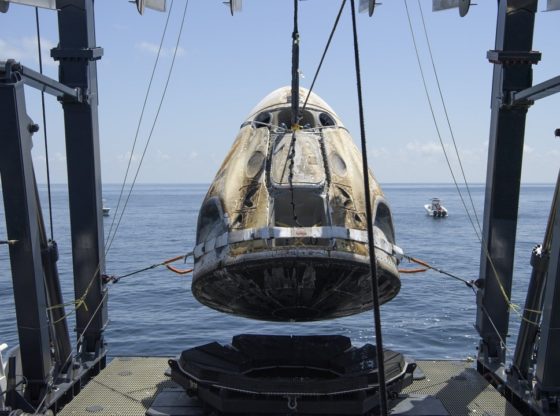
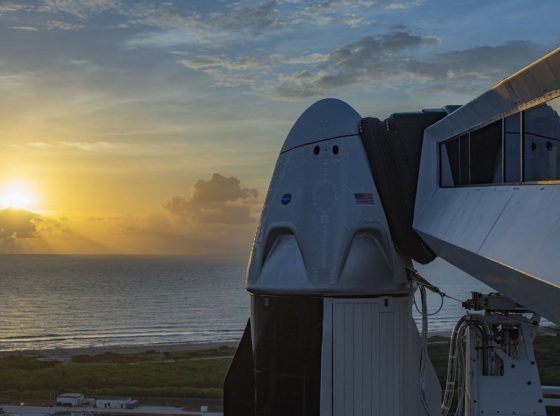
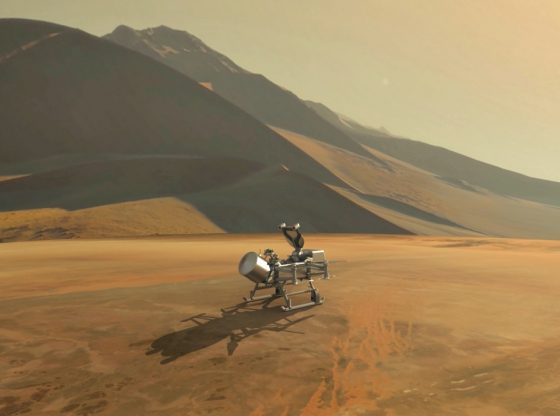
Therefore, it would seem as if a private entrepreneur could be the first to land humans on the red planet. Elon Musk’s company SpaceX aims to send an unmanned Dragon 2 Capsule to Mars in 2020, and launch the first manned expedition in 2024.
SpaceX’s profitable future
But in order to reach this goal, Musk has to perfect the company’s technology further, including rockets and astronaut survival systems and all of this will require huge investments. At present, the company operates at very small margins, but the future looks very profitable indeed.
Some 70 launches are planned. Among other things, SpaceX will start launching nearly 4,500 satellites for internet connections next year. By 2025, these contracts are expected to yield revenues of circa $ 30 billion.
Since last year’s backlash, when a Falcon 9 rocket exploded, Space X has had great success. In addition to seven successful launches since June 2016, another dozen is planned during this year.
A couple of weeks ago, SpaceX proved that the reusability concept – central to SpaceX’ strategy of launching the same rocket more than once – works. It marked the first time a single rocket booster had ever been launched—and landed—twice.
“It shows you can fly and refly an orbit-class booster, which is the most expensive part of the rocket,” “This is ultimately a huge revolution in spaceflight.”
– Elon Musk said on a SpaceX webcast.
SpaceX to leapfrog NASA?
“If you can reuse the engines without any problems, it means you can save an incredible amount of money. After a dozen of these launches, it will be a routine, and then the cost savings will open for a significant price cut. If you can reduce the price to $ 30-35 million per launch, nobody else can get close to it, “
– Carissa Christensen, CEO of the consulting company Bryce Space said to CNBC.
Falcon 9 has a launch cost of around € 70 million and this is half the cost compared to its competitors. This fact attracts many commercial companies, as well as the U.S. military. The military sector alone is estimated to be worth over € 2 billion.
Carissa Christensen believes that the U.S. Congress will put Nasa against the wall concerning the SLS, to question the reason to why the United States should continue to pour money into the far more expensive SLS.
If NASA’s funding is withdrawn, the expert believes that SpaceX would be a natural choice to take over the mission and become a state partner.
“Partnership between the public and private is what matters nowadays. And it is clear that Nasa, with its current budget of $ 19 billion a year, does not come close to achieving its own goals – or what Congress wants Nasa to achieve. Then you need to build partnerships with companies that have the technology, ambition, and visions – and to be honest, SpaceX is the only company out there to deliver this. I think SpaceX is positioned to be the natural choice as a partner for a government or internationally funded expedition to Mars, “
– Carissa Christensen
This is a seminar entitled “Commercial Space and the Future of National Defense” held March 2, 2017, at the Lawrence Livermore National Laboratory. The seminar was presented by Carissa Christensen, chief executive officer of Bryce Space and Technology, LLC.