Close Menu
Illustrated Curiosity | Economics, History, Science, Space, Technology, Health, Physics, Earth
    Facebook X (Twitter) Instagram YouTube
    Illustrated Curiosity | Economics, History, Science, Space, Technology, Health, Physics, Earth
    • Earth
    • Economics
    • Environment
      • Environmental Tech
      • Pollution
      • Wildlife
    • Health
      • Health Tech
      • Medicine
      • Nutrition
      • Exercise
    • History
      • Prehistory
      • Ancient History
      • Postclassical Era
      • Modern History
    • Humans
      • Human Brain
      • Psychology
    • Life
      • Animals & Plants
      • Genetics
      • Paleontology
      • Evolution
      • Genetic Engineering
    • Physics
    • Space
      • Astrobiology
      • Astronomy
      • Extrasolar Planets
      • Space Tech
      • Spaceflight
    • Technology
      • Artificial Intelligence
      • Energy
      • Engineering
      • Materials
      • Robotics
      • Vehicles
    Illustrated Curiosity | Economics, History, Science, Space, Technology, Health, Physics, Earth
    Home » The lemon was a high-status luxury good in the Roman Empire
    Ancient History

    The lemon was a high-status luxury good in the Roman Empire

    August 21, 20172 Mins Read
    CC0 Creative Commons
    Lemons are native to Asia and is thought to have first been grown in Assam (a region in northeast India), northern Burma or China. study of the genetic origin of the lemon reported it to be hybrid between bitter orange (sour orange) and citron. Image: Pixabay
    Share
    Facebook Twitter LinkedIn Pinterest Email

    Lemons were a luxury good in gardens of the Roman elite, new research shows.

    Today, the lemon tree is a fairly common sight around the Mediterranean. But in ancient Roman times, the lemon (Citrus limon) and the citron (Citrus medica) appear to have been a luxury good. According to new research from the University of Tel Aviv.

    The citrus fruit was originally found in Asia, first to arrive in Europe was the citron just over 2,000 years ago. The common lemon arrived shortly thereafter, while other citrus fruits, such as the orange, arrived a lot later.

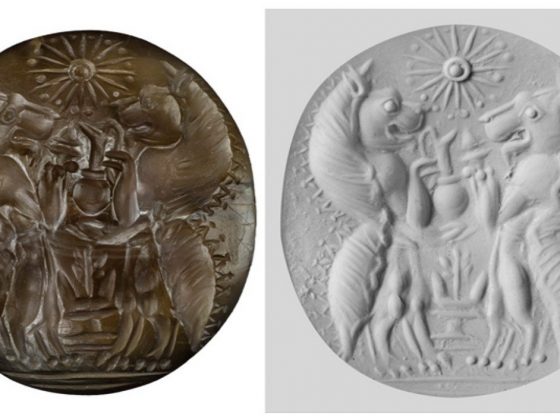
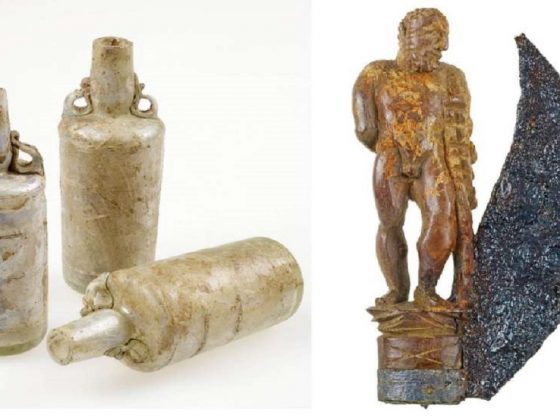
    The research of Tel Aviv University Prof. Dafna Langgut included the botanical remains of charcoals, seeds, and other fruit remnants, in addition to philology; she also studied ancient texts (the 20-volume historiographical “Antiquities of the Jews” by Josephus Flavius, 93 CE), coins, art, and artifacts.
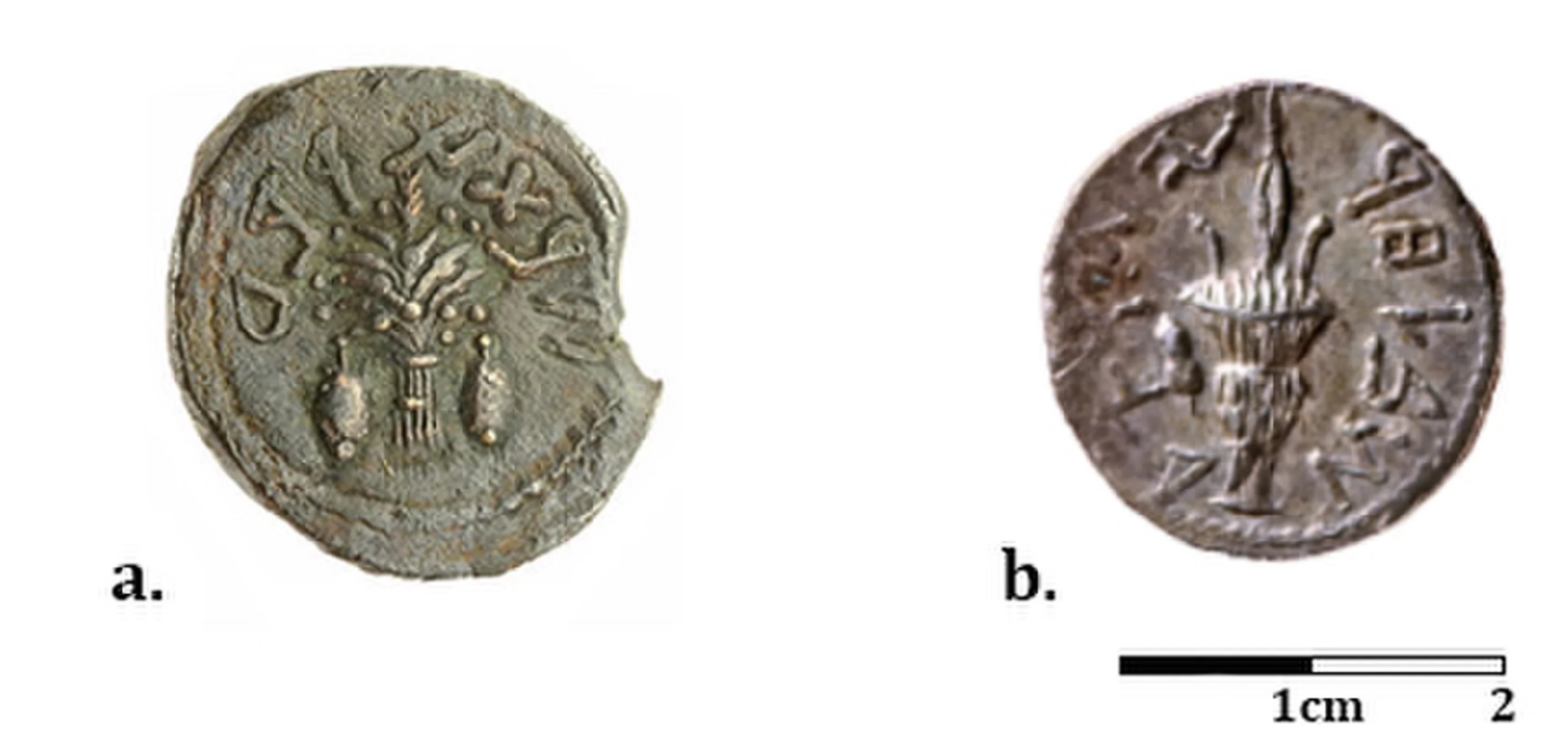
    Based on this archaeobotanical data, it was possible to see how these citrus plants first arrived in the eastern Roman Empire and then spread westwards across the empire. But it mainly grew in the gardens of the patrician elite.

    Remains of a citron were found in a 2,500-year-old Persian garden near Jerusalem and also in the Southern Levant during the third and second centuries BCE. It is later found in the gardens of the western Mediterranean.

    “My findings show that the first citrus fruits to arrive to the Mediterranean, citrus and lemon, were used as elite products (they were common in important gardens in antiquity), while all other citrus fruits most probably spread more than a millennium later, and for economic reasons,”

    – Langgut said to the Times of Isreal.

    “Sour orange, lime and pummelo were introduced to the west by the Muslims probably via Sicily and the Iberian Peninsula, beginning in the 10th century CE,”

    Last to arrive was the mandarin (Citrus reticulata); it made it to the Mediterranean in the 19th century, about 2,200 years after the citron first spread west.

    Reference:

    Dafna Langgut. The Citrus Route Revealed: From Southeast Asia into the Mediterranean. HortScience. Juni 2017. Doi: 10.21273/HORTSCI11023-16.


    Citrus fruits Isreal Roman Empire Trade
    Share. Facebook Twitter Pinterest LinkedIn Tumblr Email Copy Link

    Related Posts

    Largest Battles in History: Cannae — Rome’s Darkest Day

    January 25, 2026

    The Land Between: A Historical Overview of Israel, Judea, and Palestine

    January 9, 2023

    Augustus: The Quiet Architect of Empire

    October 28, 2022

    Native Americans of South America sailed to Polynesia in the 12th century

    July 27, 2020

    Oldest and Largest Maya Structure on Record Discovered in Southern Mexico

    June 22, 2020

    Archaeologists in Greece Find 3,500-Year-Old Royal Tombs

    December 23, 2019
    Recent Posts
    • Largest Battles in History: Cannae — Rome’s Darkest Day
    • The Day the Alliance Died
    • Evaluating Heart Disease: How Cumulative Diet Choices Compound Your Risk
    • What Would Happen If China Attacked Taiwan?
    • Geopoliticisation as a Structural Tailwind for Commodity Prices
    • America’s Economic Remodel: Who’s Really Paying the Bill?
    • Why Inflation May Be Preparing for a Second Act
    • How the End of Bretton Woods Reshaped Our Economies — and Our Politics
    • Can the U.S. Really Handle 250% Debt-to-GDP? Why Jackson Hole’s Daring Paper Is Wrong
    • Japan’s Fiscal Trap: What Happens If Austerity Is No Longer an Option?
    © 2025 Illustrated Curiosity

    Type above and press Enter to search. Press Esc to cancel.