Close Menu
Illustrated Curiosity | Economics, History, Science, Space, Technology, Health, Physics, Earth
    Facebook X (Twitter) Instagram YouTube
    Illustrated Curiosity | Economics, History, Science, Space, Technology, Health, Physics, Earth
    • Earth
    • Economics
    • Environment
      • Environmental Tech
      • Pollution
      • Wildlife
    • Health
      • Health Tech
      • Medicine
      • Nutrition
      • Exercise
    • History
      • Prehistory
      • Ancient History
      • Postclassical Era
      • Modern History
    • Humans
      • Human Brain
      • Psychology
    • Life
      • Animals & Plants
      • Genetics
      • Paleontology
      • Evolution
      • Genetic Engineering
    • Physics
    • Space
      • Astrobiology
      • Astronomy
      • Extrasolar Planets
      • Space Tech
      • Spaceflight
    • Technology
      • Artificial Intelligence
      • Energy
      • Engineering
      • Materials
      • Robotics
      • Vehicles
    Illustrated Curiosity | Economics, History, Science, Space, Technology, Health, Physics, Earth
    Home » Scientists Find ‘World’s Oldest’ Biological Colors
    Animals & Plants

    Scientists Find ‘World’s Oldest’ Biological Colors

    August 7, 20182 Mins Read
    Illustration: Illustrated Curiosity
    Share
    Facebook Twitter LinkedIn Pinterest Email

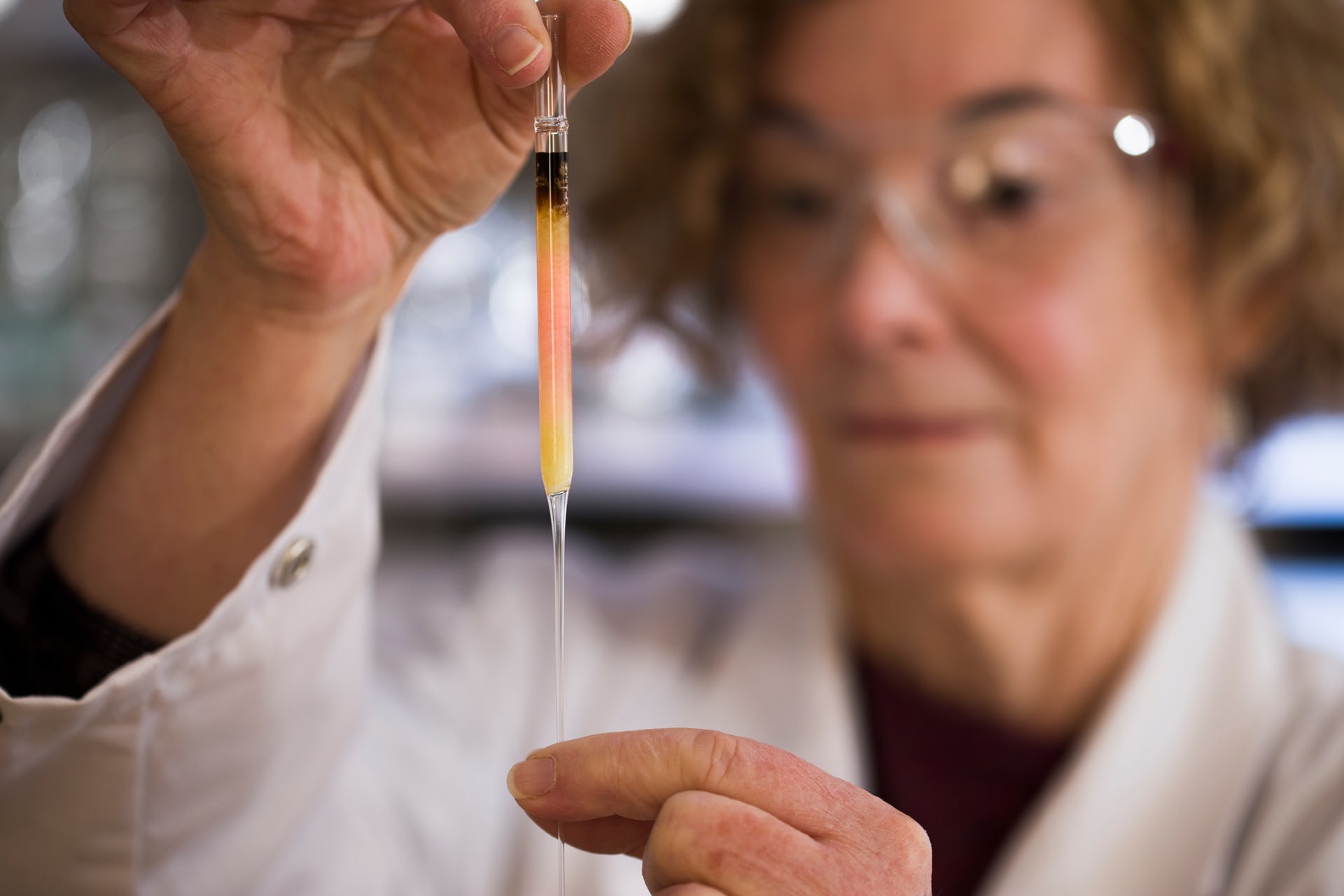
    The oldest remains of biologically produced color have been found, that is, color that was once produced by living organisms. The color is clearly bright pink.

    Researchers at the Australian National University found the color pigments in stones in Mauritania, Western Africa.

    The pigments are estimated to be 1.1 billion years old, which is over 500 million years older than previous color pigments found on Earth.

    Earth itself is about 4.5 billion years old, and researchers said the latest find shed light on why more sophisticated plant and animal life only came into existence 600 million years ago.

    According to the researchers, the finding is important because it comes from microscopic organisms that can tell more about early life.

    “Imagine you could find a fossilised dinosaur skin that still has its original colour, green or blue… that is exactly the type of discovery that we’ve made,”

    – Associate Prof Jochen Brocks from the Australian National University (ANU) told the BBC.

    Researchers said the pink pigment they discovered would have originally appeared blue-green to the human eye. The findings were published Tuesday in the journal Proceedings of the National Academy of Sciences.

    Reference:

    N. Gueneli. 1.1 billion-year-old porphyrins establish a marine ecosystem dominated by bacterial primary producers. PNAS July 9, 2018. DOI: doi.org/10/1073/pnas.1803866115.

    Share. Facebook Twitter Pinterest LinkedIn Tumblr Email Copy Link

    Related Posts

    Kindness To Dogs During Training Matters

    December 28, 2020

    Solar Storms May Throw off Whale Navigation and Cause Strandings

    May 5, 2020

    Why Bats Are Breeding Grounds for Deadly Viruses Like Ebola and SARS

    March 5, 2020

    Cats can express emotions with subtle facial expressions

    February 12, 2020

    Not Just Dogs, Study Reveals Cats Too Can Form Intense Bonds with Humans

    September 25, 2019

    Some Deep-Sea Fish Can See Color in Near Total Darkness

    May 13, 2019
    Recent Posts
    • Oil Shocks, Policy Mistakes, and the Risk of a Second Inflation Wave (Part II)
    • Oil Shocks, Policy Mistakes, and the Risk of a Second Inflation Wave (Part I)
    • Microsoft Stored a Movie on Glass — And It Could Last Centuries
    • AI, Automatic Stabilizers & Inflation
    • Largest Battles in History: Cannae — Rome’s Darkest Day
    • The Day the Alliance Died
    • Evaluating Heart Disease: How Cumulative Diet Choices Compound Your Risk
    • What Would Happen If China Attacked Taiwan?
    • Geopoliticisation as a Structural Tailwind for Commodity Prices
    • America’s Economic Remodel: Who’s Really Paying the Bill?
    © 2025 Illustrated Curiosity

    Type above and press Enter to search. Press Esc to cancel.