Close Menu
Illustrated Curiosity
    Facebook X (Twitter) Instagram YouTube
    Illustrated Curiosity
    • Earth
    • Economics
    • Environment
      • Climate
      • Environmental Tech
      • Pollution
      • Wildlife
    • Health
      • Health Tech
      • Medicine
      • Nutrition
      • Exercise
    • History
      • Prehistory
      • Ancient History
      • Postclassical Era
      • Modern History
    • Humans
      • Human Brain
      • Psychology
    • Life
      • Animals & Plants
      • Genetics
      • Paleontology
      • Evolution
      • Genetic Engineering
    • Physics
    • Space
      • Astrobiology
      • Astronomy
      • Extrasolar Planets
      • Space Tech
      • Spaceflight
    • Technology
      • Artificial Intelligence
      • Energy
      • Engineering
      • Materials
      • Robotics
      • Vehicles
    Illustrated Curiosity
    Home » Congress Just Passed a Bill That Tells NASA to Send Humans to Mars
    Spaceflight

    Congress Just Passed a Bill That Tells NASA to Send Humans to Mars

    March 9, 20172 Mins Read
    Share
    Facebook Twitter LinkedIn Pinterest Email

    NASA requested a $19 billion budget for fiscal 2017. That is a lot of money and it will allow NASA to proceed with an ambitious space program the coming years.
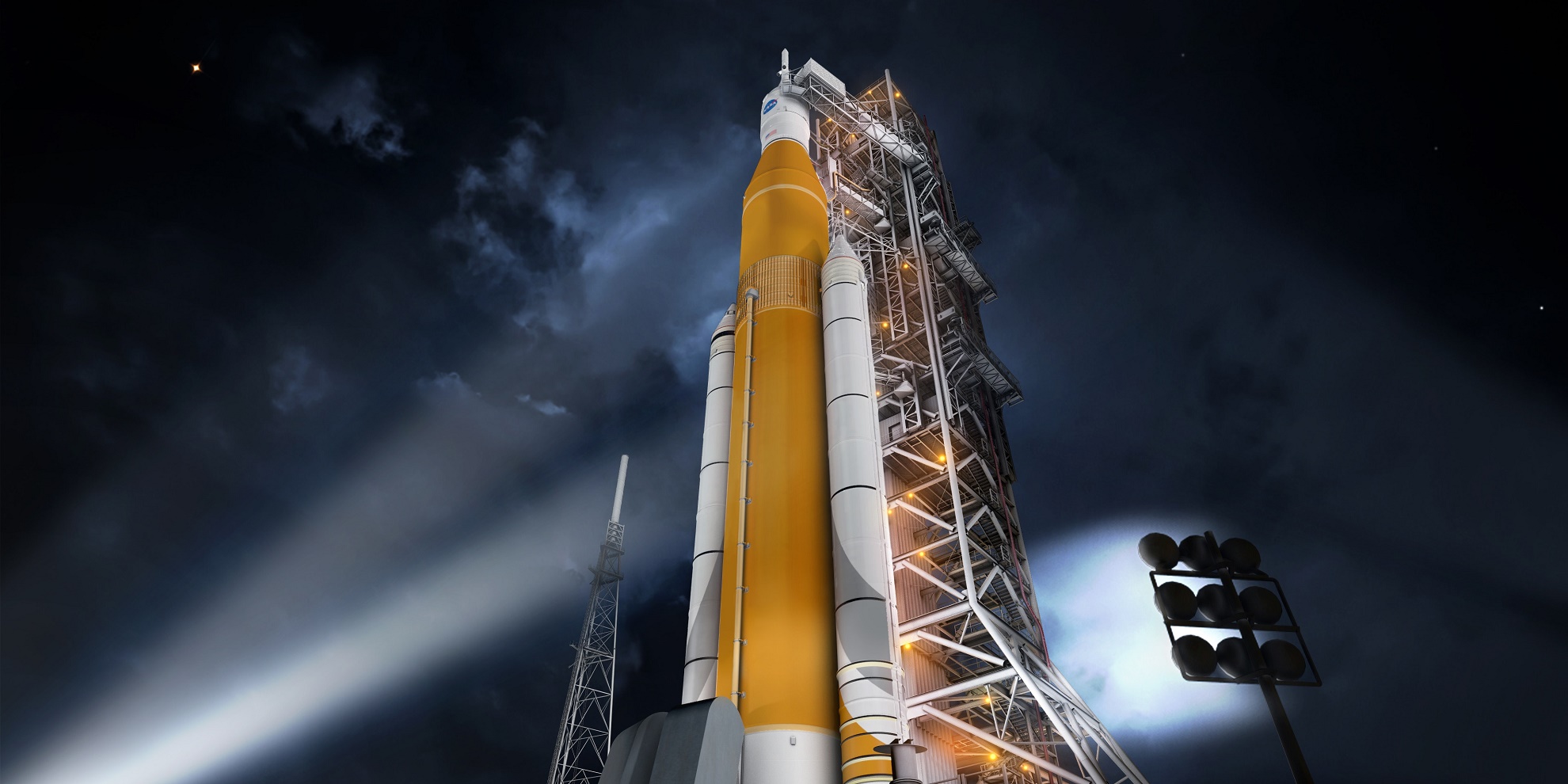
    The Space Launch System (SLS) is NASAs future heavy expendable launch vehicle that follows the cancellation of the Constellation program, and will replace the retired Space Shuttle program. The SLS will launch the Orion spacecraft, built to take humans farther than they’ve ever gone before.

    Both the US Senate and the House have approved a bill that will direct $19.508 billion to NASA and also sets some very ambitious directives.

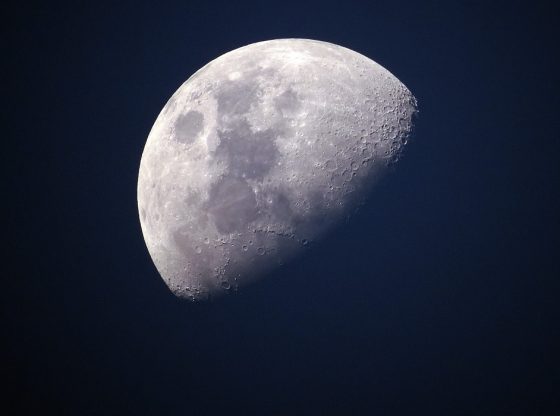
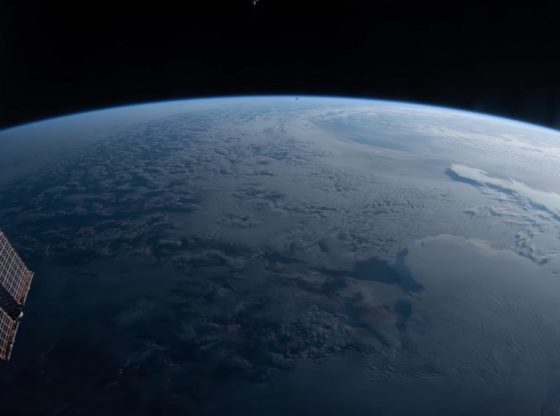
    If approved by the president, it will set the stage for NASA to put humans “near or on the surface of Mars in the 2030s”. It specifies a roadmap of human space exploration that shall begin with low-Earth orbit, then addresses in greater detail progress beyond low-Earth orbit, to the Moon, and with future missions closing in on Mars.

    It also instructs NASA to move away from its Asteroid Robotic Redirect Mission and instead find ways to apply what invested into that project, to the Mars directive instead.

    The bill also contains a plan to send a probe to Jupiter’s moon Europa. A vague directive for NASA “to expand permanent human presence beyond low-Earth orbit” is included under long-term goals along with “a thriving space economy in the 21st Century.”

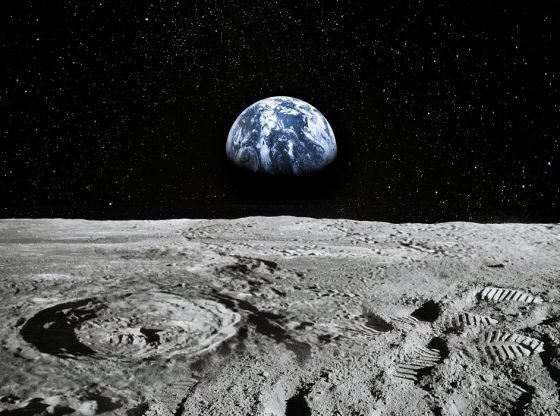
    It mentions missions to launch the SLS and Orion spacecraft without a crew in 2018. A manned mission to the moon 2021.

    Besides ambitious goals in space, there are also some goals to be achieved on Earth: The bill asks NASA to work on building hypersonic and supersonic aircraft that would “enable new transportation capabilities” and asks the agency to develop a plan to enhance its cybersecurity protections.

    NASA is funded with $19.28 billion this year, but that budget is part of a continuing resolution that runs out April 28. Then, NASA and the rest of the federal government will need new budgets by or another funding commitment to keep operating. The White House is expected to release a broad picture of its budget on March 16.

    Reference:
    U.S. Congress

    https://www.congress.gov/bill/115th-congress/senate-bill/442/text#toc-id7330f1ea-dd5f-47f7-8c03-cba35c2e1c03
    NASA U.S. Economy United States of America
    Share. Facebook Twitter Pinterest LinkedIn Tumblr Email Copy Link

    Related Posts

    Europa Clipper: NASA’s Mission to Unlock the Secrets of Jupiter’s Icy Moon

    October 20, 2024

    Spinlaunch Hurls Satellites into Orbit With a Giant Centrifuge

    December 6, 2021

    SpaceX Capsule and NASA Crew Make Historic Splashdown

    August 3, 2020

    NASA and SpaceX are Making History Launching Astronauts to Space! | NASA Live

    May 27, 2020

    Red Space Salad Given Green Light

    May 26, 2020

    NASA Will Launch a Lunar VIPER to Hunt Moon Water in 2022

    November 12, 2019
    Recent Posts
    • America’s Quiet Shift Into Fiscal Dominance: Why Inflation May Be Preparing for a Second Act
    • How the End of Bretton Woods Reshaped Our Economies — and Our Politics
    • Can the U.S. Really Handle 250% Debt-to-GDP? Why Jackson Hole’s Daring Paper Is Wrong
    • Japan’s Fiscal Trap: What Happens If Austerity Is No Longer an Option?
    • The Rise of Range Extended Electric Vehicles (REEVs): A New Era of Hybrid Mobility
    • The Great Capital Rotation: A Shift from U.S. Treasuries to Gold and Real Assets
    • The Hidden Risks of Short-Term Debt: A Balancing Act in U.S. Fiscal Policy
    • The Looming U.S. Debt Spiral: Understanding the Risks
    • The Looming Recession: Seven Economic Indicators Flashing Red for 2025
    • Europa Clipper: NASA’s Mission to Unlock the Secrets of Jupiter’s Icy Moon
    © 2025 Illustrated Curiosity

    Type above and press Enter to search. Press Esc to cancel.

    This website uses cookies to improve your experience. We'll assume you're ok with this, but you can opt-out if you wish.Accept Reject Read More
    Privacy & Cookies Policy

    Privacy Overview

    This website uses cookies to improve your experience while you navigate through the website. Out of these, the cookies that are categorized as necessary are stored on your browser as they are essential for the working of basic functionalities of the website. We also use third-party cookies that help us analyze and understand how you use this website. These cookies will be stored in your browser only with your consent. You also have the option to opt-out of these cookies. But opting out of some of these cookies may affect your browsing experience.
    Necessary
    Always Enabled
    Necessary cookies are absolutely essential for the website to function properly. This category only includes cookies that ensures basic functionalities and security features of the website. These cookies do not store any personal information.
    Non-necessary
    Any cookies that may not be particularly necessary for the website to function and is used specifically to collect user personal data via analytics, ads, other embedded contents are termed as non-necessary cookies. It is mandatory to procure user consent prior to running these cookies on your website.
    SAVE & ACCEPT